
description
Liquify has a worse reputation than any other tool in Photoshop, and much of what it is best at has nothing to do with changing bodies. This tutorial works through three cases where a camera introduced the problem in the first place: a waistline broken by a two-dimensional sensor, a head made bumpy by flattened depth, and clothing ripples frozen out of motion.
Enjoying This Free Tutorial?
We publish a new free tutorial every week, each one with sample images and PSDs you can download and follow along with. Sign up and they land straight in your inbox, along with early word on sales, events and subscriber-only offers.
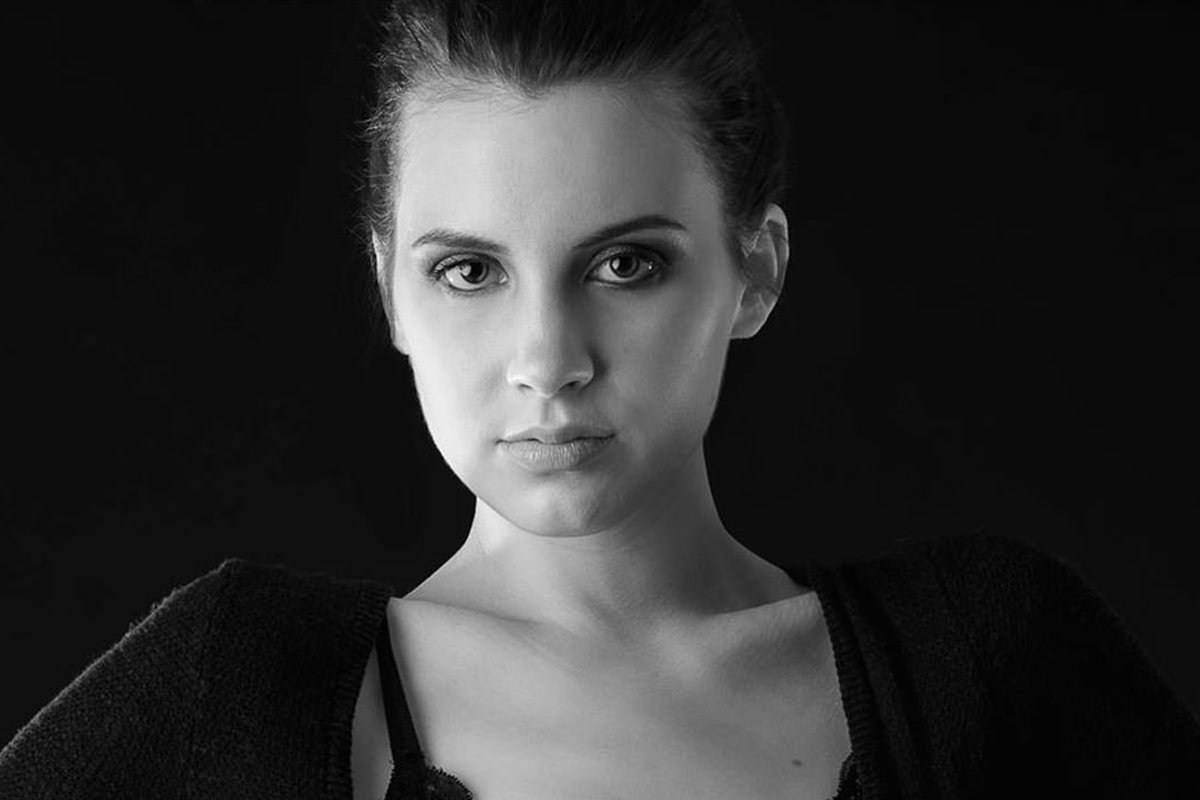
Using the Liquify Tool to Fix Distractions in Your Image
More than any other tool at our disposal, Liquify has always been met with a special degree of ire, dubbed a great evil that has beset the foundations of society’s self esteem. Lately I’ve encountered more and more photographers who refuse to use it on principle.
With great power comes great responsibility. Like many other tools, Liquify can be used effectively without crossing the rubicon into moral ambiguity. What follows are a few examples of using it to fix real visual problems that have nothing to do with body image.
Fixing Optical Illusions
Look at the image below. Other than a black and white conversion in Lightroom, it’s straight off camera. Notice something odd? The curve of her waist doesn’t seem to line up. It almost looks as though someone tried to make her thinner above her hand and failed to make the matching edit below, so it reads like one of those Liquify mishaps that draw the rage of the masses.
Roll over the image to see arrows drawn to represent the issue.

The model in this photo does not have broken or disfigured hips. Not even remotely. She is absolutely gorgeous, and standing in a different pose her form has an elegant, healthy curve.
Why the Camera Creates the Illusion
The trick is caused by a number of things, the first being that a camera, unlike most humans, has only one eye. Cameras see in two dimensions, and that lack of depth sometimes creates optical illusions which the focal length of the lens only amplifies.
So rather than abandon a pose I really liked, I fixed the optical illusion in Photoshop with Liquify.
Roll over the image to see arrows drawn to represent the fixed curve.
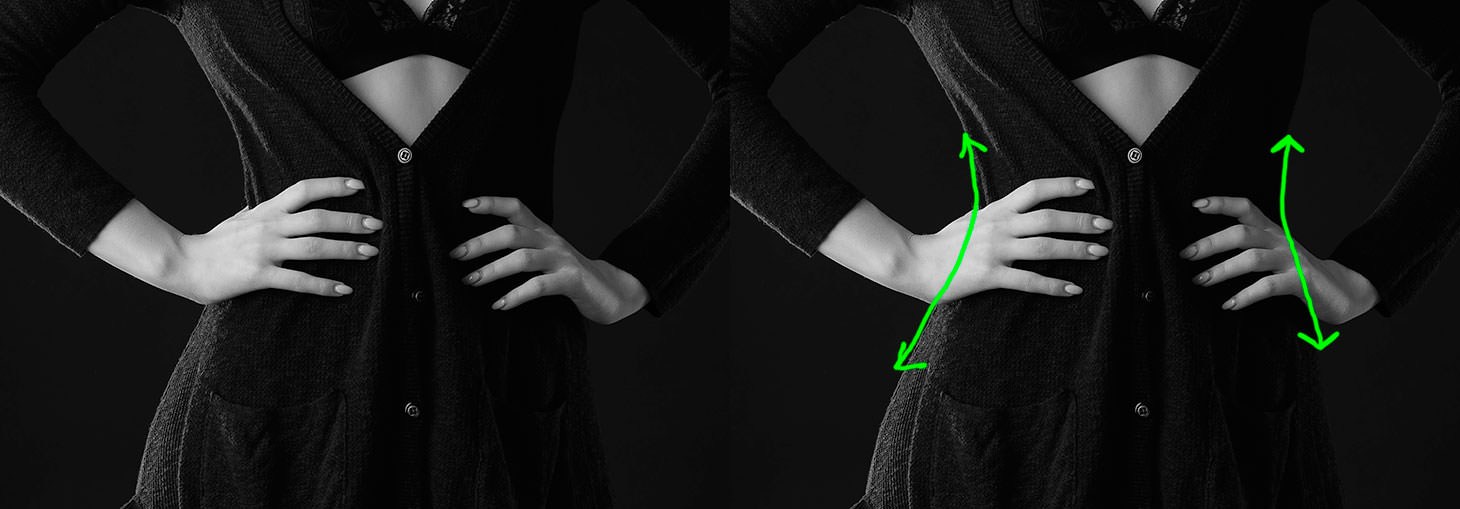
All I did was adjust the angle of her natural curve so the torso reads as lined up. Measure the thinnest part of her waist and you’ll find I didn’t make her thinner at all. Liquify was used here to undo an illusion created by photography, so that the photo represents how the model actually looks in real life.
Fixing Bumpy Heads
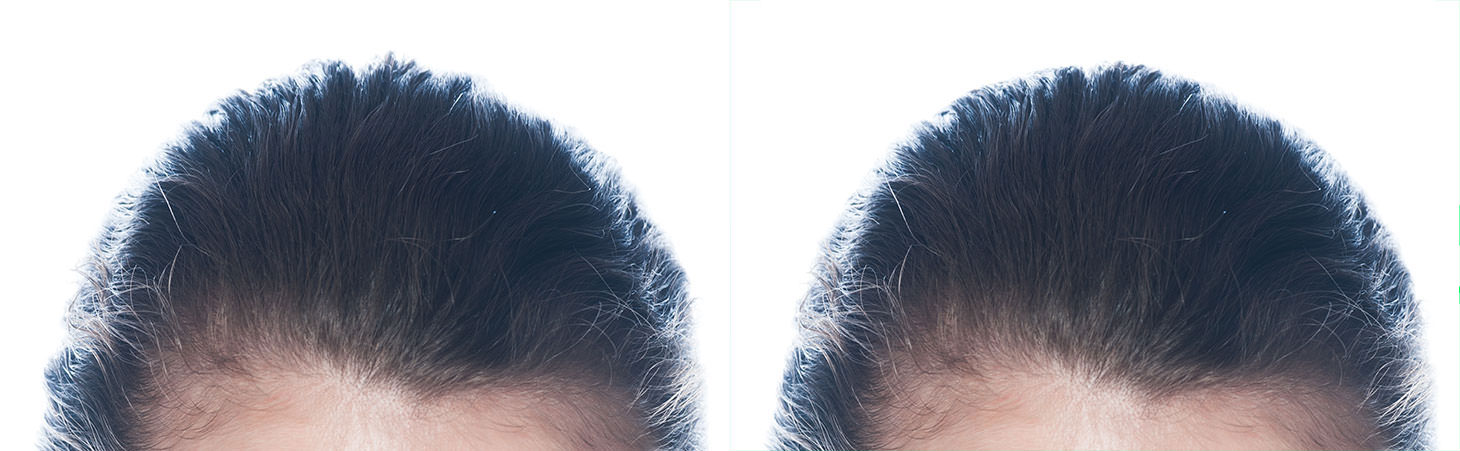
Well, not really — but again, that cyclopean device we take pictures with tends to make heads look bumpy, because it can’t convey the depth that reveals the true shape of a model’s head. Tufts of hair always read as little bumps, and even when a hairstylist pulls the hair to what seems like a perfect level of tightness, some hint of bumpiness remains.
Liquify smooths those tufts out, giving the head a fairly even curvature.
Roll over the image to see how the bumps can be removed with liquify.
Fixing Clothing Ripples
Stylists are amazing to have around, and they fix almost every issue you might face with clothing. But even the best stylist can’t stop tightly fitting clothing from bunching slightly as a model moves between poses.
In real life you’d never notice those ripples, because the model is always in motion. Freeze the scene into a photograph and they become a tremendously annoying visual distraction. They aren’t caused by a model having a lumpy figure; they’re caused by the nature of the clothing.
Leaving them in is not an accurate representation of anyone’s figure, so removing them with Liquify increases the accuracy of the final image rather than reducing it.
Roll over the image to see how the ripples can be removed with liquify.

Going Deeper with Liquify
To go further into the mechanics of the tool, these cover it in depth:
More Free Photoshop Tutorials
- Liquify Brush Settings in Photoshop
- How to Fix Clothing in Photoshop
- Remove Creases from Backdrops in Photoshop
The Distinction Worth Holding On To
Every example here has the same shape: the camera introduced something that isn’t in the room, and Liquify takes it back out. A two-dimensional sensor invents a break in a waistline, flattens the depth that explains a head’s shape, and freezes a ripple that never stays still. Correcting those is not the same act as changing a body, even though it uses the same brush, and the difference is entirely in what you compare the result against — the person in front of you, or an idea of them.
Final Thoughts
The Liquify tool is a fickle device. It has the power both to distort reality and to fix reality that has been distorted. As retouchers we have a responsibility to use it in a way that best represents the person who stepped in front of the camera, while maintaining the integrity of the client’s brand.
Related Tutorials
From the Magazine View all
Stories, interviews and guides for photographers, new every week.
 BusinessHow to Compete With AI: Give Your Clients MoreEveryone has the same tools now, and your clients know it. The way to compete is to give them more.
 EditingLightCraft vs Lightroom: Is the Free Clone Any Good?The free clone on the same RAW files: what matches, what breaks and who should switch.
 EditingHow to Tell If a Photo Is AI, and Prove Yours Is RealThe tells that still work in 2026, why detectors disagree, and how to prove your own photos.
Master Photoshop, Lightroom and Photography
Join PHLEARN PRO for $12.99 a month, or $99.99 a year (save 36%). Cancel anytime, with a 100% money-back guarantee.