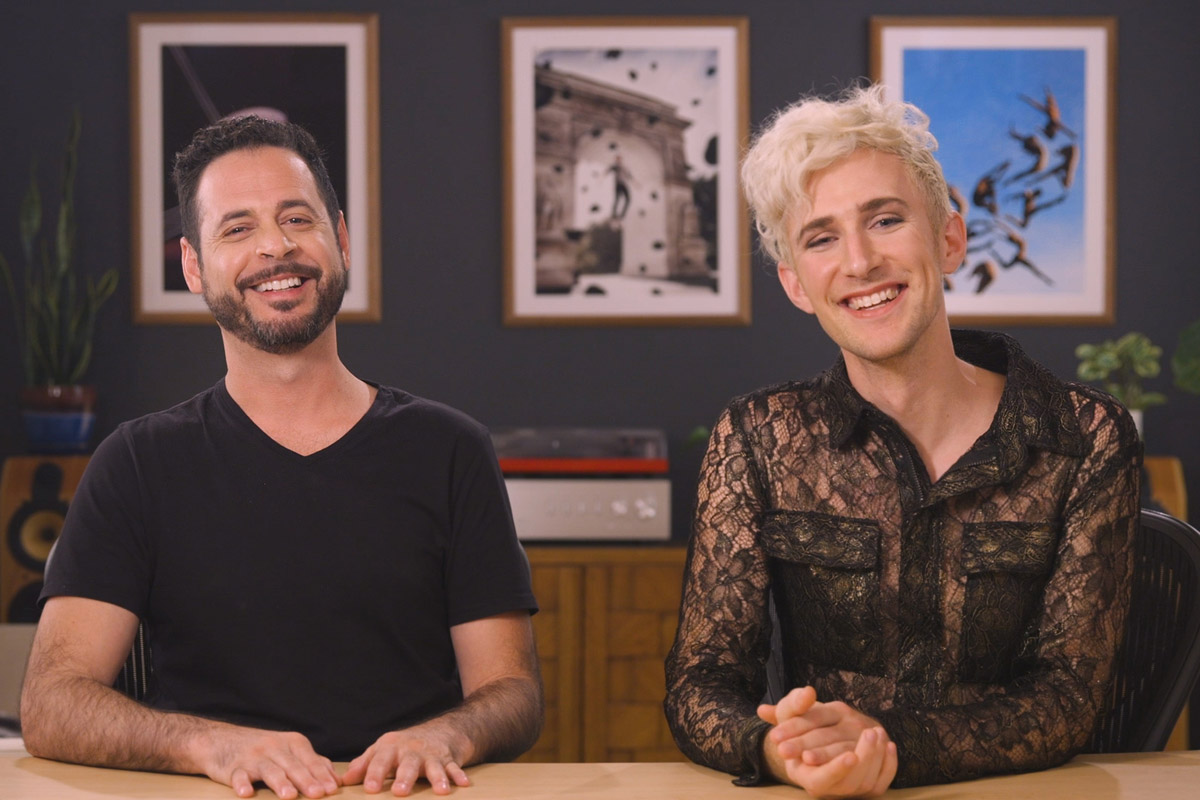

description
Conceptual and fine art photographer Rob Woodcox talks about where his surreal image ideas actually come from, how the dancer series he started in Portland reignited his own excitement about photography, how he balances personal art with paid client work, and the hard early lessons about contracts, cold outreach, fair pricing, and knowing his own worth.
Enjoying This Free Tutorial?
We publish a new free tutorial every week, each one with sample images and PSDs you can download and follow along with. Sign up and they land straight in your inbox, along with early word on sales, events and subscriber-only offers.

PHLEARN Interviews Rob Woodcox
This interview with conceptual and fine art photographer Rob Woodcox, whose surreal compositing work also appears in the companion tutorial Fine Art Compositing with Rob Woodcox, covers where his image ideas actually come from, how he balances personal art with paid client work, and the hard lessons he learned early in his career about knowing his own worth.
Meet Rob Woodcox
Rob describes PHLEARN as a strong example within the photography education community, and this conversation traces his journey from early client work to building a sustainable, personally driven creative career.
The Story Behind His Dancer Series
 Rob started his dancer series while living in Portland, Oregon, during a period heavily involved in the local activism scene, when politics felt especially stressful. He wanted to create art that cut through that noise, and the first image in the series, a pyramid of dancers lifting a central figure like a queen, resonated widely once shared on Instagram, reigniting his own excitement about photography at a moment when he hadn’t felt genuinely refreshed by his own work in a while.
From Personal Project to Career Momentum
That series succeeded specifically because it brought people together rather than adding to division, and its traction on Instagram reflects a broader pattern Rob has noticed among other photographers too: personal work, not commissioned client work, is usually what actually propels a career forward and attracts new business, often because clients reach out wanting more of whatever personal style they’ve already seen and connected with.
Balancing Personal Art with Client Work
Rob is candid that creative work isn’t only about following pure inspiration; bills and expenses are real, and not every project can be made purely for himself. Finding a genuine balance between personal projects, paid client work, hustling hard, and still taking real breaks is something he considers essential, and he’s never let his personal work fall away entirely even while building out a client-facing business, since that personal work is what keeps him creatively fulfilled day to day.
How His Projects Get Funded
Funding for Rob’s personal projects comes from a mix of sources: some sponsors simply want a social media mention or a piece of branded content, but a lot of his personal art gets funded indirectly, earning a paycheck from a commercial client like a film studio, then reinvesting that income into his own creative projects rather than personal spending.
Landing Clients Through Cold Outreach
Beyond a strong social media presence, a meaningful part of Rob’s client work comes from direct cold outreach: identifying brands he’d genuinely want to work with, researching their values and existing content to make sure there’s a real fit, and then reaching out to introduce himself rather than waiting to be discovered. Every brand and public figure needs visual content for marketing, social media, and beyond, so putting consistent, well-targeted work in front of the right people is often enough to start a conversation.
Mistakes Early in His Career: Knowing Your Worth
One of Rob’s clearest early mistakes was accepting a month’s worth of work for around a thousand dollars total, at a time when his own monthly expenses were roughly fifteen hundred, effectively locking himself into an unsustainable rate simply because he didn’t yet know how to value his own time. Looking back, he recognizes that turning down that job could have opened up an entire month to find better-paying opportunities instead.
Why Contracts Matter
A second early mistake was agreeing to shoots verbally without a contract or even a written email specifying deliverables, like how many final images a client would actually receive, which led to awkward disputes when a client expected far more images than the shoot’s scope ever intended. Even a written email exchange counts as a legally binding record, and having that paper trail from the start avoids exactly this kind of disagreement later.
Negotiating with Confidence
Rob’s baseline advice on pricing is never to accept less than what an equivalent salaried position would pay, generally starting around double minimum wage for someone with roughly a year of experience and increasing from there with each additional couple of years in the field, since specific numbers vary widely by market, client size, and project scope. Charging too little doesn’t just undervalue one person’s own time, it also puts downward pressure on rates across the whole industry, making it harder for everyone else to charge fairly too.
Quoting Above Your Target Rate
In any negotiation, quoting a number somewhat above the actual target rate leaves room to meet a client’s counteroffer in the middle rather than starting from the middle and getting negotiated down from there; a serious, worthwhile client won’t be scared off by a fair asking price, and one who disappears entirely after a quote likely wasn’t a good fit to work with in the first place.
More Free Photoshop Tutorials
- Select Subject and Refine Edges in Photoshop
- Three Ways to Use Blend If
- Curves vs Levels: Learn the Difference
See Rob Woodcox’s Compositing Process
The conceptual thinking behind images like the one shown above (view full-size image) carries directly into how Rob builds his surreal composites in Photoshop. Follow him on Instagram for more of his work, and for the full step-by-step compositing process behind one of his images, see Fine Art Compositing with Rob Woodcox.
Final Thoughts
Rob Woodcox’s path from a stressed-out activist scene in Portland to a career built on both personal art and paid client work says as much about persistence and self-worth as it does about photography technique. His advice on contracts, fair pricing, and confident negotiation applies well beyond conceptual photography, and it comes from genuinely learning those lessons the hard way early in his own career.
Related Tutorials
Master Photoshop, Lightroom and Photography
Join PHLEARN PRO for $12.99 a month or $99.99 a year. Cancel anytime, with a 100% money-back guarantee.