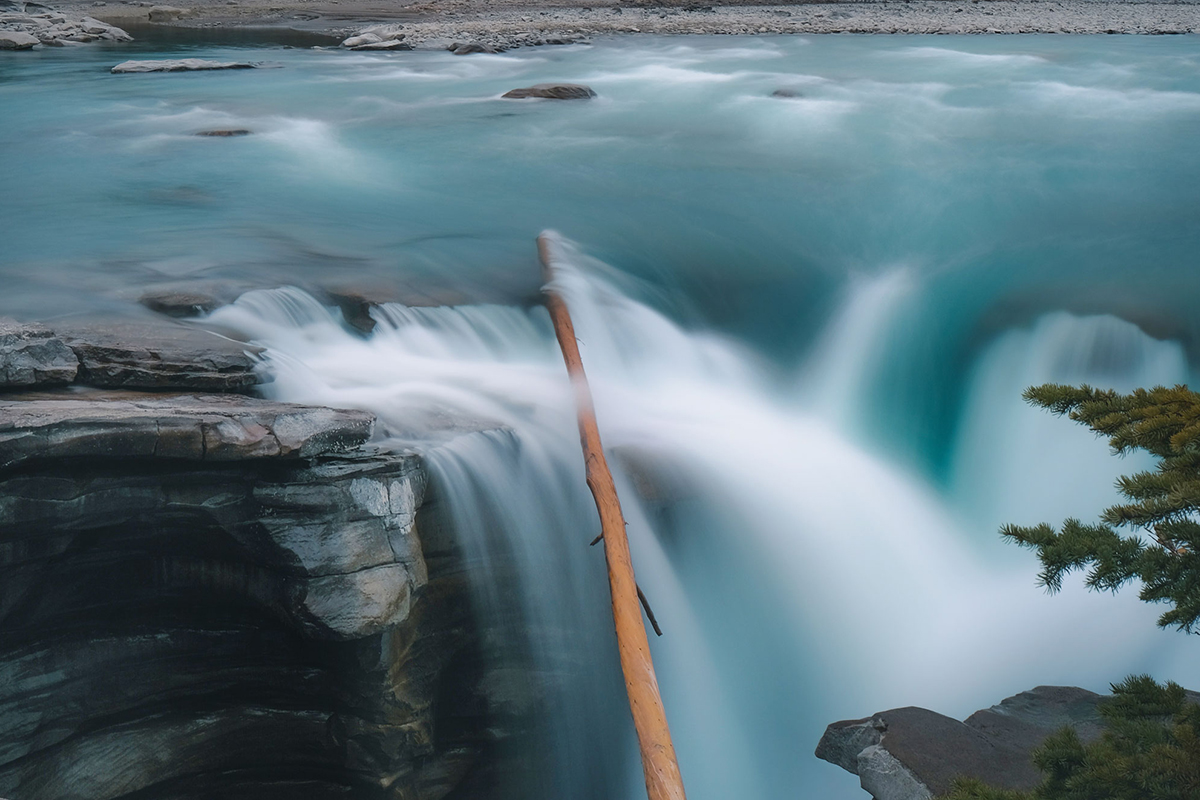
Download the Sample Image
Download Assets
This tutorial includes sample images and a PDF guide. Downloads are free with a PHLEARN account.
- Free sample files with every tutorial on PHLEARN
- New tutorials published every week
- Unlimited downloads with your free PHLEARN account
Description
2020 Edition
This lesson is from the original 30 Days of Photoshop. Photoshop has changed a great deal since — there is an updated version of this lesson in the 2025 Edition: How to Dodge and Burn in Photoshop, Day 19.
Dodging and burning is a technique that can instantly take any photo to the next level. Learn how to dodge and burn in Photoshop to recover details in the highlights and shadows of a photo, and to add stunning shape and dimension.
This is Day 17 of our 30 Days of Photoshop series. Follow along with all 30 episodes as we explore the magic of Photoshop together!
Continue Watching 30 Days of Photoshop
Enjoying This Free Tutorial?
We publish a new free tutorial every week, each one with sample images and PSDs you can download and follow along with. Sign up and they land straight in your inbox, along with early word on sales, events and subscriber-only offers.
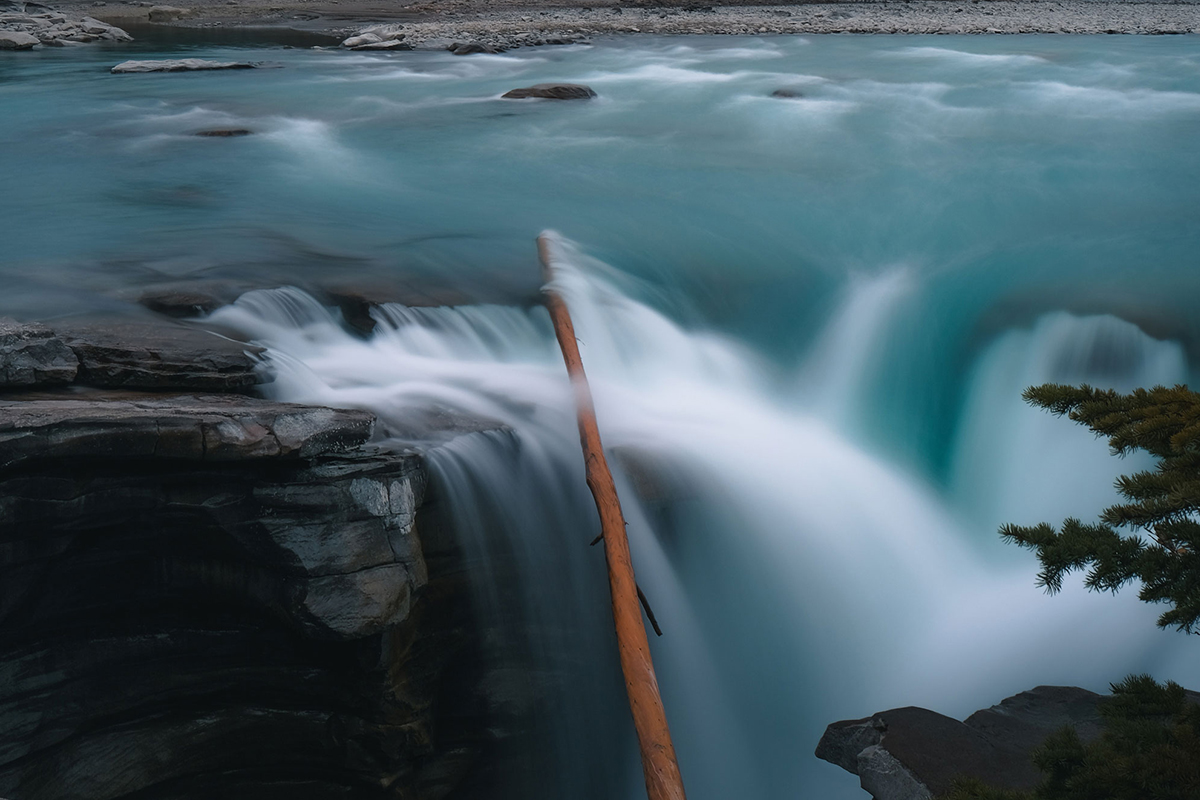
Dodge and Burn for Shape and Depth
Dodging and burning, brightening and darkening parts of a photo by hand, does two jobs. First, it recovers information: it can pull detail back into a bright sky or a dark foreground. Second, it adds shape, making light look more three-dimensional. In this lesson we do both on a landscape, non-destructively, with Curves adjustment layers and a low-flow brush. Blend If, from Day 14, makes sure each adjustment only lands where it belongs.
Recover the Sky
-
Add a Darkening Curves Layer
Add a Curves adjustment layer. Pull the top-right point down a little and drag the midpoint down. The whole image darkens.
-
Invert the Mask and Paint It In
Press Ctrl/Cmd + I to fill the mask with black, then press B and paint with white over the sky. Detail comes back into the clouds, but the mountaintops along the horizon darken too and look unnatural.
-
Hide It from the Shadows with Blend If
Double-click the Curves layer to open Layer Style. On the Underlying Layer slider, hold Alt/Option and drag the left black marker to the right. The darkening fades out of the mountains and stays in the bright sky. Without Alt/Option the cutoff is choppy; with it, the transition is smooth.
Recover the Foreground
-
Add a Brightening Curves Layer
Add another Curves layer and lift the curve. Invert the mask and paint white over the dark foreground where detail is hard to see.
-
Hide It from the Highlights
This time do the opposite in Blend If: hold Alt/Option and drag the right white marker of the Underlying Layer slider to the left. The brightening stays in the shadows and leaves the bright areas alone.
-
Repeat for the Tree Line
Add a third Curves layer, brighten, invert the mask, paint over the dark trees and the mountains, and again hide it from the highlights with Blend If. Toggle the three layers: the exposure is already far more balanced.
Recovering information is always the place to start. Once the exposure is even, dodging and burning becomes a creative tool.
Dodge to Enhance the Light
-
Set Up a Soft, Low-Flow Brush
Add a brightening Curves layer and invert its mask. Press B, right-click and set Hardness to 0%. In the options bar set Flow to about 5% (type 05 while the Brush Tool is active). Low flow lets the effect build up gradually as you pass over an area several times, which looks far more natural than one heavy stroke.
-
Follow the Existing Highlights
Paint white over the areas the light is already hitting: the bright edges of rocks, the highlights on the water. Use the bracket keys to resize the brush as you go. You are enhancing the light that is there, not inventing new light.
Burn to Add Shape
-
Add a Darkening Curves Layer
Add a Curves layer, pull it down, invert the mask, and with the same 5% flow paint white over the areas that are already in shadow.
-
Build Contrast Between the Two
Lighter lights next to darker darks is what carves shape. A flat patch of water starts to look like it has ridges and hollows once light is painted on one side and shadow on the other. Most people, Aaron included, dodge more than they burn, so let the brightening lead.
Finish and Compare
-
Group and Toggle
Select all the Curves layers and press Ctrl/Cmd + G. Turn the group off and on to compare. If the effect is stronger than you want, lower the group’s opacity rather than repainting.
Mouse or Tablet?
A pressure-sensitive tablet gives finer control, but with flow at 5% a mouse or trackpad works fine. The low flow is what makes the layering smooth. Tomorrow’s lesson builds a photo collage with Smart Objects.
Related Tutorials
Master Photoshop, Lightroom and Photography
Join PHLEARN PRO for $12.99 a month, or $99.99 a year (save 36%). Cancel anytime, with a 100% money-back guarantee.