
description
Composition matters more than almost any technical decision, and it resists being reduced to rules. These are the less orthodox suggestions: use the fact that viewers read an image left to right and follow a subject’s gaze, put the camera inside the action rather than at the observation window, clone out the stray branch or dirty sock, use blur to simplify, and keep your subject the brightest thing in the frame. Then know when to ignore all of it.
Enjoying This Free Tutorial?
We publish a new free tutorial every week, each one with sample images and PSDs you can download and follow along with. Sign up and they land straight in your inbox, along with early word on sales, events and subscriber-only offers.

Composition is more important than almost any technical decision yet it is something that can often be impossible to quantify. Some photographers can instinctively create images of amazing photography composition without giving it a second thought while for others composition is an insurmountable challenge.
The most basic rules of composition are rather simple but can be extremely difficult to master. Here are a few less orthodox compositional suggestions that might help you make the most of your next photoshoot.
Leverage Your Viewer’s Instincts

Since a very young age we have all been taught to read in a very specific way. In the case of English that “way” is by starting at the top left corner reading left to right. Because of this instinct we have become accustomed to intaking all content in this way, including images.
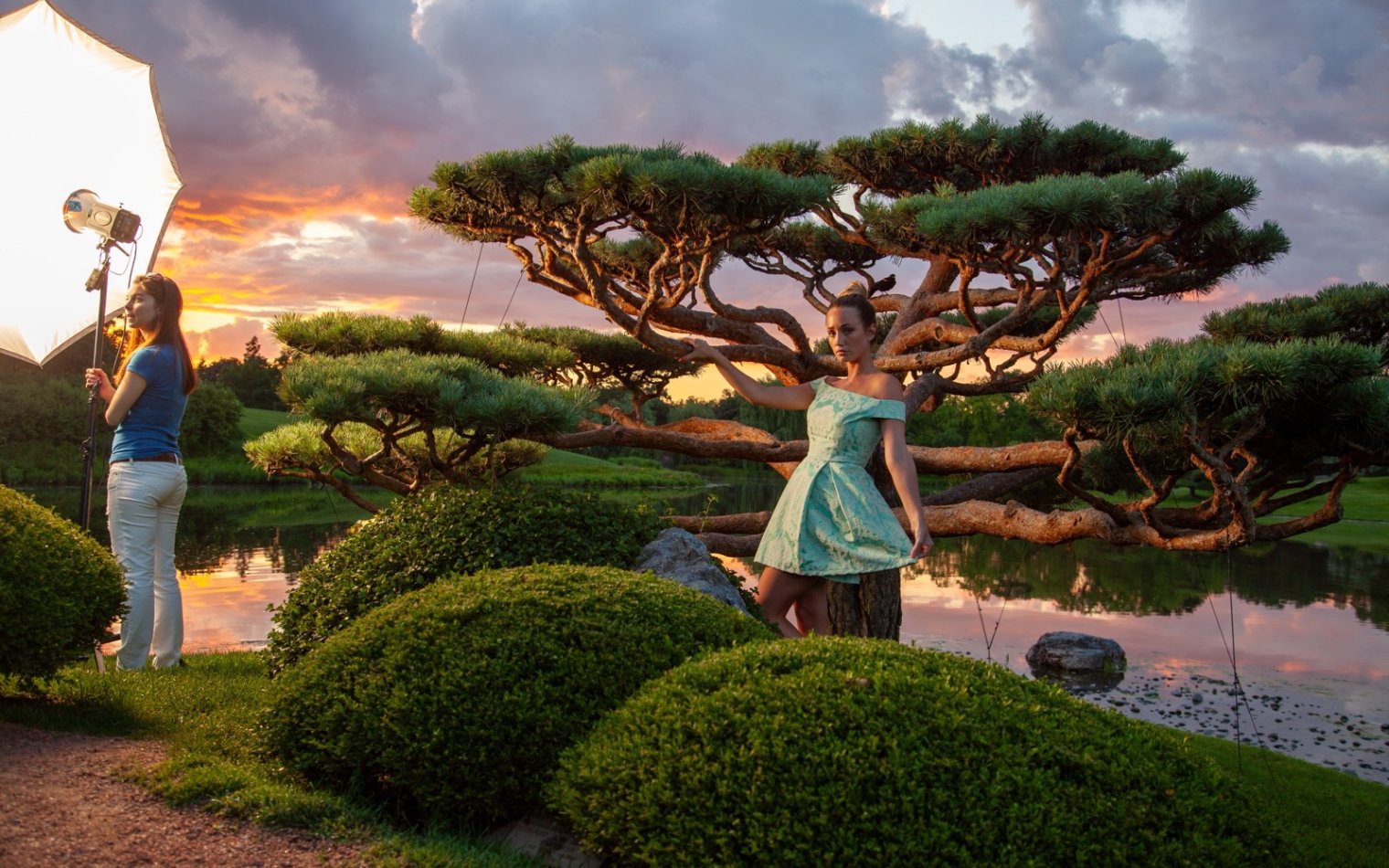
We, as viewers, also have a tendency to follow the gaze of a subject within the frame. If, in a portrait, the eyes of the subject are pointed to frame-right we may follow that gaze right off the page and move on to the next image without even giving it much thought.
Instead, if the model is peering towards frame left we will read across the image as normal but as we encounter the subject our eyes will be diverted back to the left side of the frame. As a result we spend more time experiencing the image in question.
This logic can be applied to virtually any image. Whether it is positioning leading lines in a landscape or strategic placement in still life it is always beneficial to keep the viewer’s reading instinct in mind when crafting a composition.

Be Part of the Action
As photographers our goal is to show the viewer something that they cannot easily see themselves. By creating a composition that allows the viewer to imagine that they are part of the action you succeed in delivering this experience.
Try to seek out angles that make the image frame seem like more than just an observation window. Gift the viewer a feeling that they are somehow experiencing that which your camera has captured.

Clean Up the Frame
One of the worst things that can ruin a potentially great photo is a simple, distracting element that pulls attention away from the main subject and makes the frame feel cluttered.
It is often invaluable to spend some time in Photoshop cloning away anything that might divert the viewer’s focus from where you want it. Be it an awkward branch or an unfortunately placed dirty sock it is amazing how even something tiny in the frame can imbalance an entire composition.

Show Something New
Likely the biggest and most important decision you can make in terms of composition is by searching to show the viewers something that they may have never seen before. We are bombarded with images relentlessly during our day to day lives. When a photo is truly unique it will not only stand out but it will also draw our curiosity.
Whenever you are preparing to make a photo take a moment to ask yourself about how you can frame the photo so that it is uniquely different, which can be a tremendous challenge. The opportunity to craft a truly unique photo may only arise a few times in your entire career but it is those who are constantly in search of that fleeting goal who often find it.
Use Blur to Create Clarity
It is no secret that lenses which can open to wide apertures are in high demand. Shallow depth of field is great at simplifying the frame and focusing your viewer’s attention exactly where you want it.
Aperture isn’t the only way to create blur, however. Tools such as tilt-shift lenses or Photoshop can also be used to strategically blur an image. Make a point of leveraging blur as a creative decision designed to augment your composition.

Make Your Subject the Brightest Element in Frame
Our eyes naturally will wander to the brightest point in the frame. When lighting an image be mindful of how your lighting falls upon less important elements in the frame. If the floor or the background contains objects that have been more brightly lit than your subject that will compete with your subject for dominance.
Don’t be afraid to use Photoshop to darken areas of the image that might be distractingly bright but more importantly try to be mindful of such areas when shooting. It is often easier to slightly reposition than to fix later in post.
Know When to Ignore the Rules
Only you can bring your creative vision to life. While there are many “rules” of composition the key to great, and unique, composition is a strong understanding of the importance of the rules so that you know when to break them to maximize the impact of your photo.
Related Tutorials
From the Magazine View all
Stories, interviews and guides for photographers, new every week.
 EditingLightCraft vs Lightroom: I Edited the Same RAW Files in BothThe free clone on the same RAW files: what matches, what breaks and who should switch.
 InspirationRare Historical Photos: 13 of the Rarest Pictures Ever TakenFrom the earliest surviving picture of a person to the last passenger pigeon: who took each one and why it survives.
 EditingArtCraft: Photoshop Cloned by AI in Two Weeks. Is It Legal?ArtCraft cloned Photoshop and Lightroom with AI and gave them away. Any good? Legal? Safe?
Master Photoshop, Lightroom and Photography
Join PHLEARN PRO for $12.99 a month, or $99.99 a year (save 36%). Cancel anytime, with a 100% money-back guarantee.