
Download Assets
This tutorial includes 1 Photoshop Action. Downloads are free with a PHLEARN account.
- Free sample files with every tutorial on PHLEARN
- New tutorials published every week
- Unlimited downloads with your free PHLEARN account
description
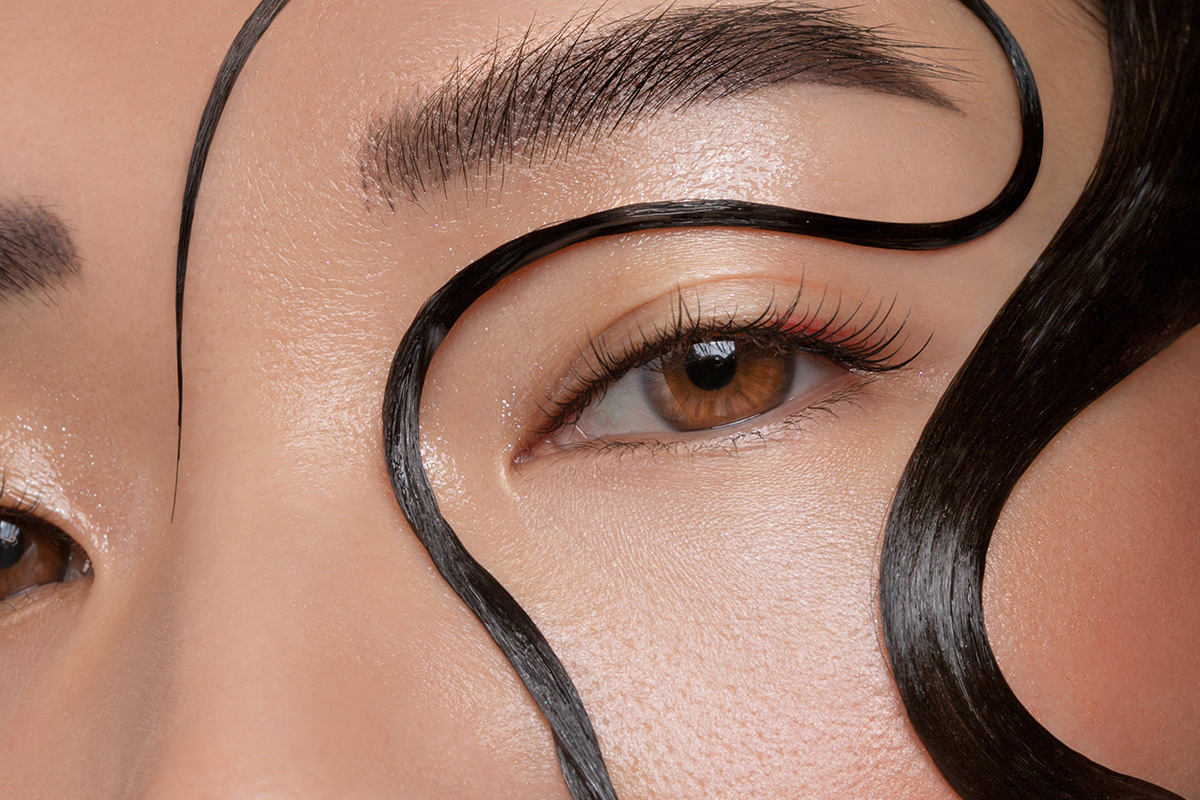
A free Photoshop Action that does the fiddly part of frequency separation for you: load it, press play, and your portrait arrives split into a skin tone layer and a skin texture layer you can edit independently. Color corrections stop flattening pores, and blemish removal stops leaving pale blotches behind. Below: how to load the Action, which layer each kind of problem belongs on, and how to soften hard light transitions without losing detail.
Enjoying This Free Tutorial?
We publish a new free tutorial every week, each one with sample images and PSDs you can download and follow along with. Sign up and they land straight in your inbox, along with early word on sales, events and subscriber-only offers.

What the Action Does
Give skin beautiful tone and texture with this free Photoshop Action. Load it, run it, and it separates the skin texture from the skin tone onto two layers so that you can edit each one independently. That separation is what lets you remove minor blemishes while avoiding obvious spots and blotches in skin color, and smooth out harsh transitions between highlights and shadows without damaging any of the natural, delicate skin texture.
On a single flattened layer most retouching is a compromise: soften a blotchy patch and you soften the pores along with it. With tone and texture living on separate layers, that compromise disappears.
Loading the Action
Download the Action from the link above, then open Photoshop and go to Window > Actions to bring up the Actions panel. Open the panel menu in its top-right corner, choose Load Actions, and pick the downloaded file. It appears as a new set in the list.
Open the portrait you want to retouch, select the layer you want to work on, click the Action, and press Play. When it finishes you have a tone layer and a texture layer ready to work on.
Working on the Tone Layer
Use the tone layer whenever the problem is color: a red patch across a cheek, a blotchy forehead, a cool shadow under an eye. Because the fine detail has been lifted out onto its own layer, anything you do here moves color around without touching pores or fine hair. Sample a nearby patch of cleaner skin and brush it gently over the problem area at a low opacity, so the correction blends into the tone around it rather than replacing it.
Working on the Texture Layer
Use the texture layer whenever the problem is a physical mark: a blemish, a stray hair, a scratch. The healing and clone tools are at their most effective here, because they are copying detail onto detail with no color information to give the repair away. Keep the brush small, sample from skin with similar texture, and build the retouch up over several small passes rather than one large one.
Smoothing Harsh Light Transitions
The other job this separation handles well is a hard edge between a highlight and a shadow, the kind that shows up along a jaw or a nose under direct light. Work on the tone layer and ease the two areas towards each other, and the edge softens while every pore stays exactly where it was. This is the part that is very hard to do convincingly on a flattened image.
Where to Go Next
If you want to build the separation yourself rather than run it as an Action, How to Master Frequency Separation Retouching in Photoshop walks through the whole technique. And for a complete high-end retouch on professionally photographed RAW images, see Professional Beauty Retouching in Photoshop.
Related Tutorials
New Free Tutorials View All »






Enjoying This Free Tutorial? Go Further with PRO.
200+ PRO courses. 1,000+ practice files. One membership.

Unlimited access to every PRO course
New PRO courses every month
Layered PSDs and RAW files to follow along
100+ Lightroom Presets, LUTs, Actions and Brushes
Stream in up to 4K, with captions and chapters
Watch on any device: desktop, tablet or phone
4.93 average from 3,900+ reviews · 2M+ students