
Getty Images Bankruptcy: What It Means for Photographers
Getty Images, the company behind Getty, iStock and Unsplash, filed for Chapter 11 bankruptcy on October 21, 2026. It isn’t shutting down. It’s wiping out its shareholders, cutting its debt and going private under the Getty family and Koch’s investment arm, if the court confirms the plan. Here’s what the Getty Images bankruptcy actually means if you sell stock photos, license them, or just wonder what AI is doing to the business.
If you’ve bought a stock photo in the last twenty years, there’s a fair chance Getty took a cut of it. The company owns Getty Images, iStock and Unsplash, pays more than 600,000 contributors, and licenses pictures to most of the publishers and brands you can name. So when the word “bankruptcy” showed up next to its name in October, a lot of people assumed the worst.
The worst isn’t what’s happening, though it’s easy to see why people read it that way. The Getty Images bankruptcy is a Chapter 11 filing, the kind a company uses to reorganize its debts and keep going. Nobody is selling off the assets or closing the doors. Getty worked the deal out with its lenders before it filed, and it expects to be out of court by the end of the year. What changes is who owns the company and how much it owes. What doesn’t change, at least on paper, is anything a photographer or a customer would notice.
What Happened in the Getty Images Bankruptcy?
Getty has carried a lot of debt since the Getty family bought the company back from Carlyle in 2018, and a 2022 stock listing didn’t fix it. The plan for the last year and a half was to merge with Shutterstock, its biggest rival, in a $3.7 billion deal announced in January 2025. American regulators cleared it. The UK’s Competition and Markets Authority cleared it too, but only if Shutterstock sold off its editorial business first. Getty’s board decided that condition wasn’t worth it and terminated the merger on July 7, 2026.

That left the company where it started, with less cash. By the end of June it had about $51.6 million in the bank against roughly $1.5 billion of loans and bonds it had to carry (another $628 million raised for the Shutterstock deal sat in escrow and was handed back in July), and its August earnings report included a line no company wants to print: substantial doubt about its ability to continue as a going concern. The share price, which had peaked near $34 in August 2022, fell to eight cents, and the New York Stock Exchange suspended trading on September 29.
On October 12, Getty announced the deal. On October 21 it filed in Delaware. The Getty Images bankruptcy covers only the US companies; the foreign subsidiaries, which bring in about 44% of revenue, aren’t in it. Craig Peters, the CEO, called it “a procedural step to implement the financial restructuring previously announced.”
Who Owns Getty Images Now?
Under the plan, two groups own everything once it’s done. The Getty family, whose Mark Getty co-founded the company in 1995 and which already held about 46% of the stock, and Koch Equity Development, the investment arm of Koch Inc., which held about 27%.

Together they’re committing up to $533 million of equity, about $433 million of it in cash and the rest in loans they already hold, and Koch is lending up to $143 million to keep the lights on while the case runs. Up to 10% of the new company is set aside for a management incentive plan, and the filing describes the current management team, led by CEO Craig Peters, as an asset the company will carry through the case and beyond.
Everyone else is handled by class. The secured lenders, the banks and bondholders with first claim on the company’s assets, keep all of what they’re owed in the form of new notes with lower interest and later due dates. The unsecured bondholders, who hold about $270 million of notes, agreed to take a fixed cash payment that works out to about 63 cents on the dollar. And the public shareholders, the 27% or so of the company that wasn’t the family or Koch, get nothing at all.
Their shares are cancelled.
Who gets paid in the Getty plan
That’s the part worth sitting with. Getty went public in 2022 valued at $4.8 billion including its debt. Four years later, the family and Koch are taking the whole company back through a bankruptcy court for $533 million of equity. It’s legal, it’s common, and the photographers in the middle of it never got a vote.
Does the Getty Images Bankruptcy Affect Contributors?
This is the question that matters if you upload to Getty, iStock or Unsplash+. The company’s answer is that there is “no anticipated impact on content contributors, partners, customers, or employees,” and the court filing backs that up more than a press release would. General unsecured creditors, the class that includes contributors and vendors, are listed as unimpaired, with a projected recovery of 100%. Every license agreement is being assumed, not rejected, and anyone who doesn’t object by November 30 is treated as having agreed.

So royalties should keep arriving on the usual schedule. The one thing to keep an eye on is the lag: Getty’s standard contributor agreement pays royalties up to three months after the monthly statement, so most contributors had one to three months of earnings in the pipeline the day the company filed. The plan says that money gets paid. The American Society of Media Photographers still suggests keeping your own record of what you’re owed, which is good advice in any year.
The longer-term worry isn’t in the courtroom. Getty’s contributor agreements let it change the royalty rate card on 30 days’ written notice, and a private company that no longer files quarterly reports can do that without anyone outside seeing the totals. Nobody has said that’s coming. It’s just the lever a new owner has.
Why Did Getty Images Go Bankrupt?
The debt did it, but the debt was survivable while the business grew.
It stopped growing. Getty’s own numbers show about 636,000 paying customers in the twelve months to June 2026, down roughly 24% from 835,000 in 2022. Annual subscribers fell from 321,000 to 240,000 in a single year. Revenue held near $980 million because the customers who stayed paid more, and because two one-off AI licensing deals added about $40 million in 2025, but a licensing business with a quarter fewer buyers is a business whose pricing is doing all the work.
AI is a big part of why. Four years ago, a marketing manager who needed a picture of two people shaking hands bought one. Now that picture comes out of a text box in ten seconds, and the companies that used to buy a thousand generic stock images a year have noticed.
Stock images, for the most part, are trying to fill a need. You have something you want to demonstrate or illustrate, and they’re trying to match that need. But it’s a guess, and it’s never exactly custom. For that, you need to hire a photographer and do a custom photo shoot. Now a lot of people are just using AI as their hired image maker.
Aaron Nace
 Getty Images on Unsplash+
 Midjourney, prompted with the stock photo’s caption
None of that is the fault of a single photographer, and none of it goes away because the balance sheet is clean. The company that comes out of the Getty Images bankruptcy around the turn of the year will have less debt and the same problem: the pictures that used to be its bread and butter, the generic ones, are the exact pictures a machine makes well. What a machine can’t make is a photograph of a specific person in a specific place on a specific day, which is also the only kind Getty’s editorial side has ever sold.

 Getty Images on Unsplash+
 Midjourney, prompted with the stock photo’s caption
Where Is the Stock Photo Business Going?
Getty’s own numbers tell the story without a bankruptcy filing. The chart below counts the customers who bought anything from Getty in a year. It has gone down every year since 2022, and the people still buying mostly buy on subscription, more pictures each for less money per picture. Over the same four years Getty paid its photographers roughly the same total every year, a little over $220 million, while the number of contributors kept growing. More people, same pot.
Fewer people are buying from Getty
Shutterstock, the rival Getty tried to buy, shows where the growth went instead. Its picture business has been flat for five years. The part that grew is the business of selling its library to AI companies as training data, from almost nothing in 2021 to about $200 million last year. That’s the industry’s real answer to AI: license the archive to the machines.
The agencies will get through this by selling the pictures they already have to the companies that are replacing them, and the photographers who took those pictures see very little of that money. Shutterstock pays contributors a share of its data deals through a fund. One contributor with about 15,000 files on the site, who publishes his earnings every month, got $116 from it in 2024.
Where Shutterstock’s growth came from
For the photographer, the money per picture was small before AI and it’s smaller now. The big microstock sites pay under half a dollar a download, Adobe Stock around a dollar, and the one honest public ledger we could find, a contributor with tens of thousands of files across every agency, shows his sales volume down by about half since 2019 while his library doubled. Alamy, long the agency with the fairest cut, moved most contributors from 40% to 20% in September 2026. None of this is the Getty Images bankruptcy. It’s the ground it happened on.
$220M
what Getty paid its contributors each year from 2022 to 2025, by its own reports
44¢
what Shutterstock paid one long-time contributor per download in 2024
$9,324
what his 48,000 images and 7,700 clips earned across every agency that year
$116
his share of Shutterstock’s AI training fund in 2024
What Should Photographers Do About the Getty Images Bankruptcy?
If you license pictures from Getty, iStock or Unsplash, you don’t need to do anything. Your licenses are valid, the sites are running, and the plan keeps every license agreement as it is. Saving a copy of the license terms when you download something is a good habit with any image service anyway.

If you sell through Getty, the list is short.
 Getty Images on Unsplash+
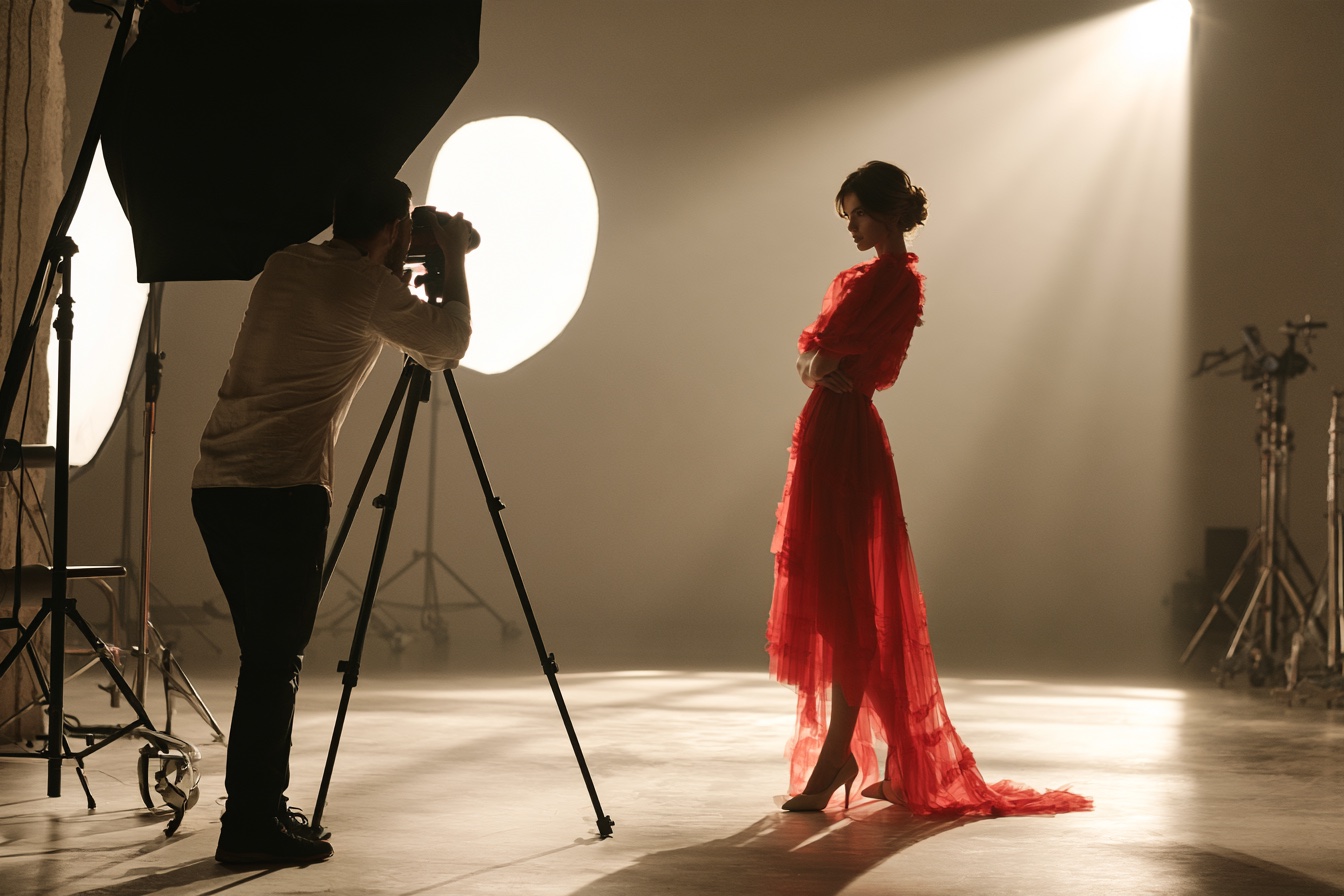 Midjourney, prompted with the stock photo’s caption
The bigger lesson is the one Aaron wrote about last week in How to Compete With AI: the tools are the same for everyone now, and the people and companies who survive are the ones who give more for the money than they used to. Getty got caught with a billion-dollar loan and a product a chatbot could copy. A photographer with a camera and a point of view is in a better position than that, even this year.
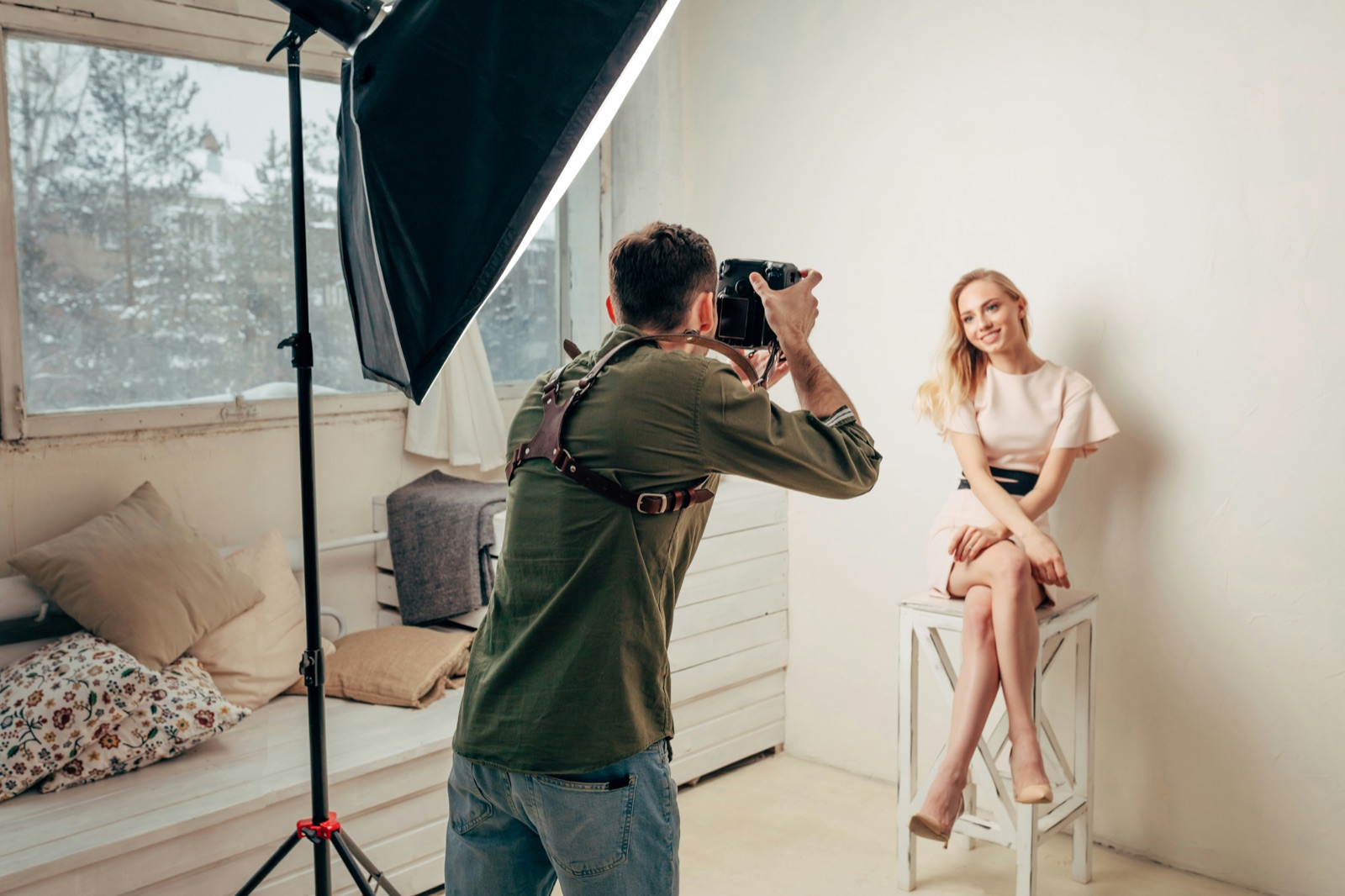
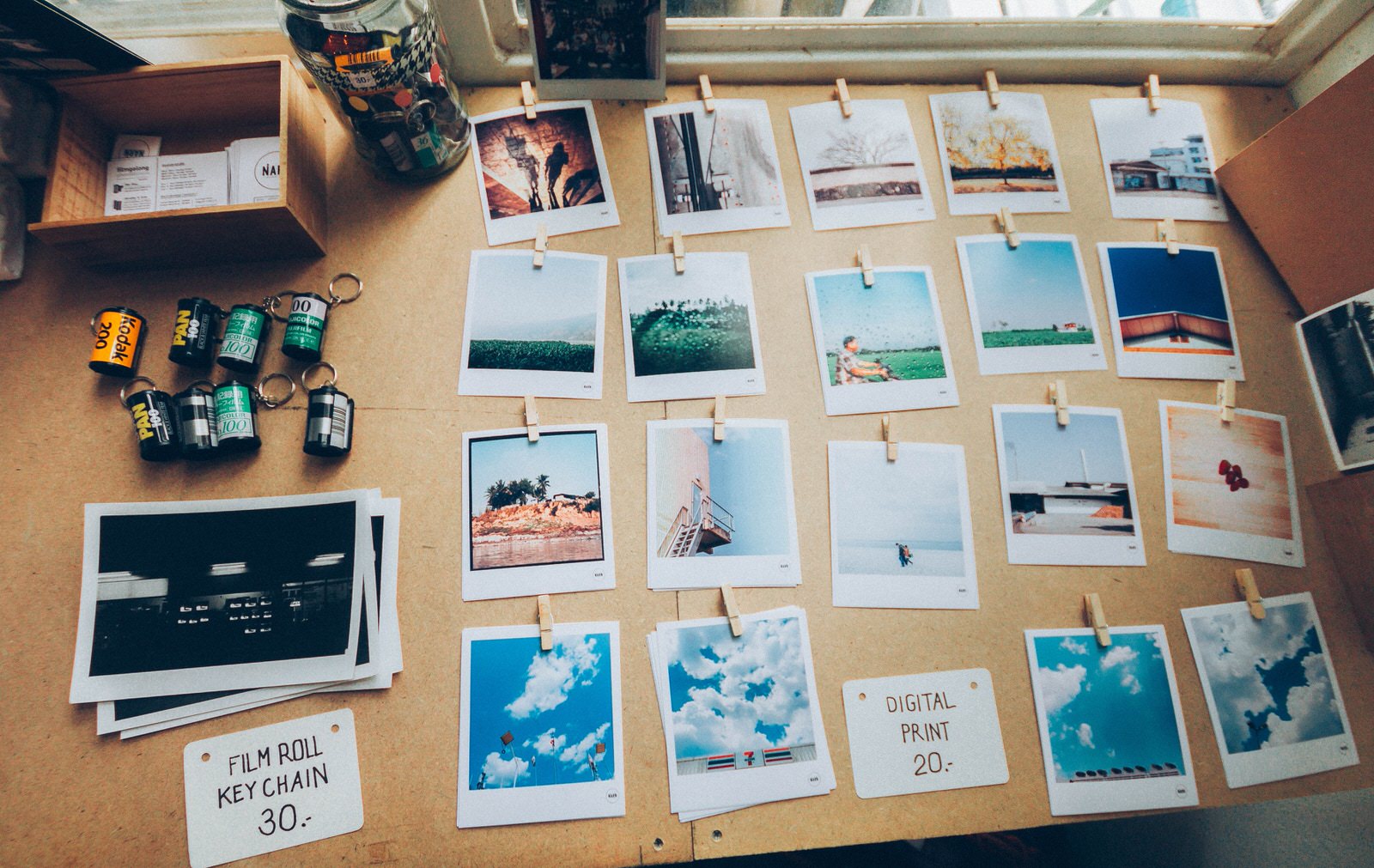
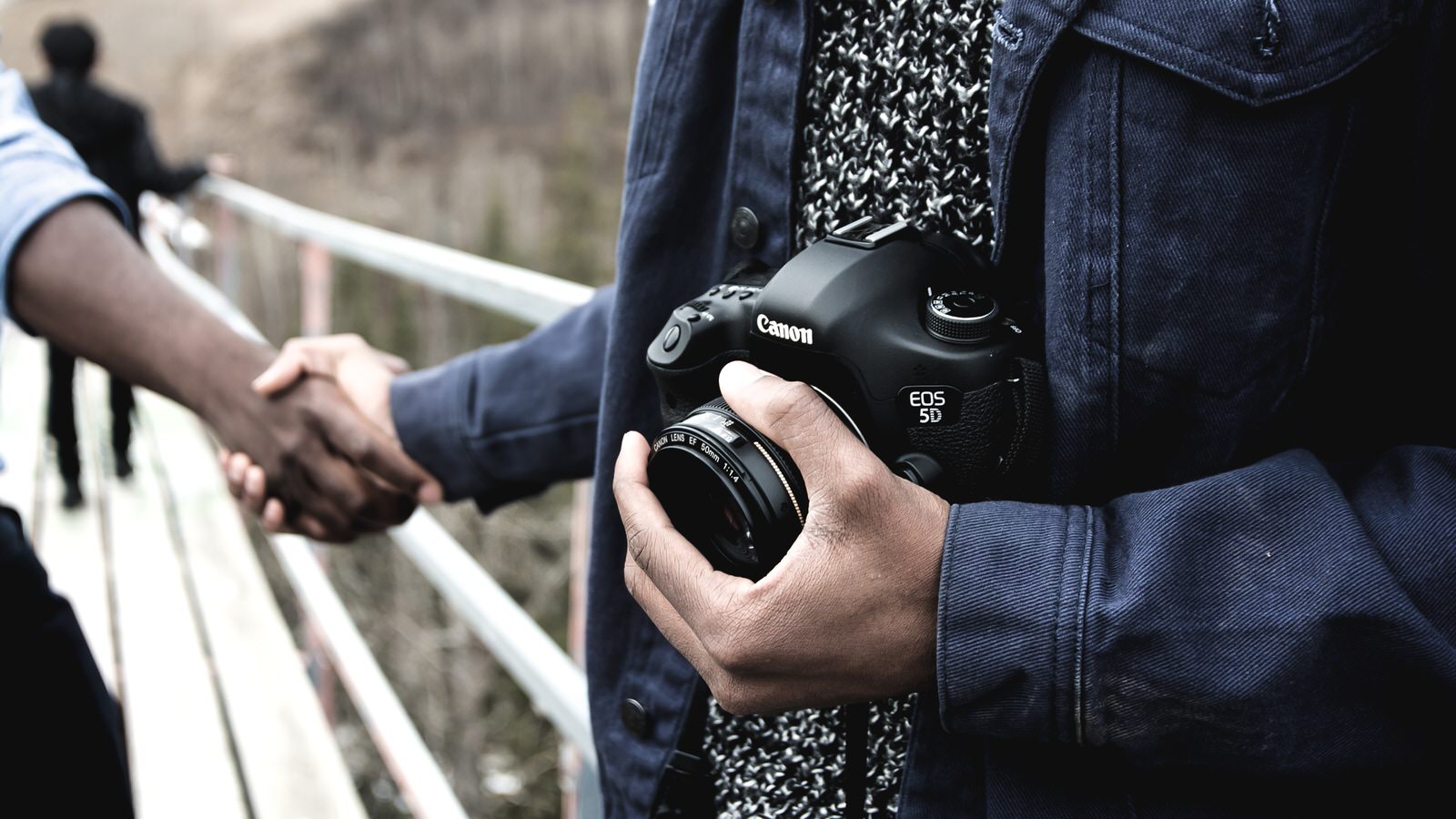
A note on the pictures: PHLEARN uses Unsplash and Unsplash+ for a lot of its tutorial and magazine images, and Unsplash+ is owned by Getty Images, so the stock photos in this article come from the company it’s about. The AI images beside them were made in Midjourney with each photo’s own caption as the prompt and nothing else.
The figures here come from Getty Images’ October 12, 2026 announcement, its October 21 plan and disclosure statement filed in the US Bankruptcy Court for the District of Delaware, its SEC filings, and reporting by CNBC, PPC Land and Photo Business News, all read November 2, 2026. The case is ongoing; the court hearing on the plan is set for December 15, 2026.
In this article




Join the conversation