
description
Turning a square photo into a wide landscape usually means adding pixels somewhere, and Content-Aware Scale is what makes that stretch look natural instead of warped. This tutorial covers when the tool works best, why a regular Transform or a selection-based stretch falls short, how to extend the canvas and apply Content-Aware Scale, and how to protect an important subject with an alpha channel so only the empty space around it actually stretches.
Enjoying This Free Tutorial?
We publish a new free tutorial every week, each one with sample images and PSDs you can download and follow along with. Sign up and they land straight in your inbox, along with early word on sales, events and subscriber-only offers.
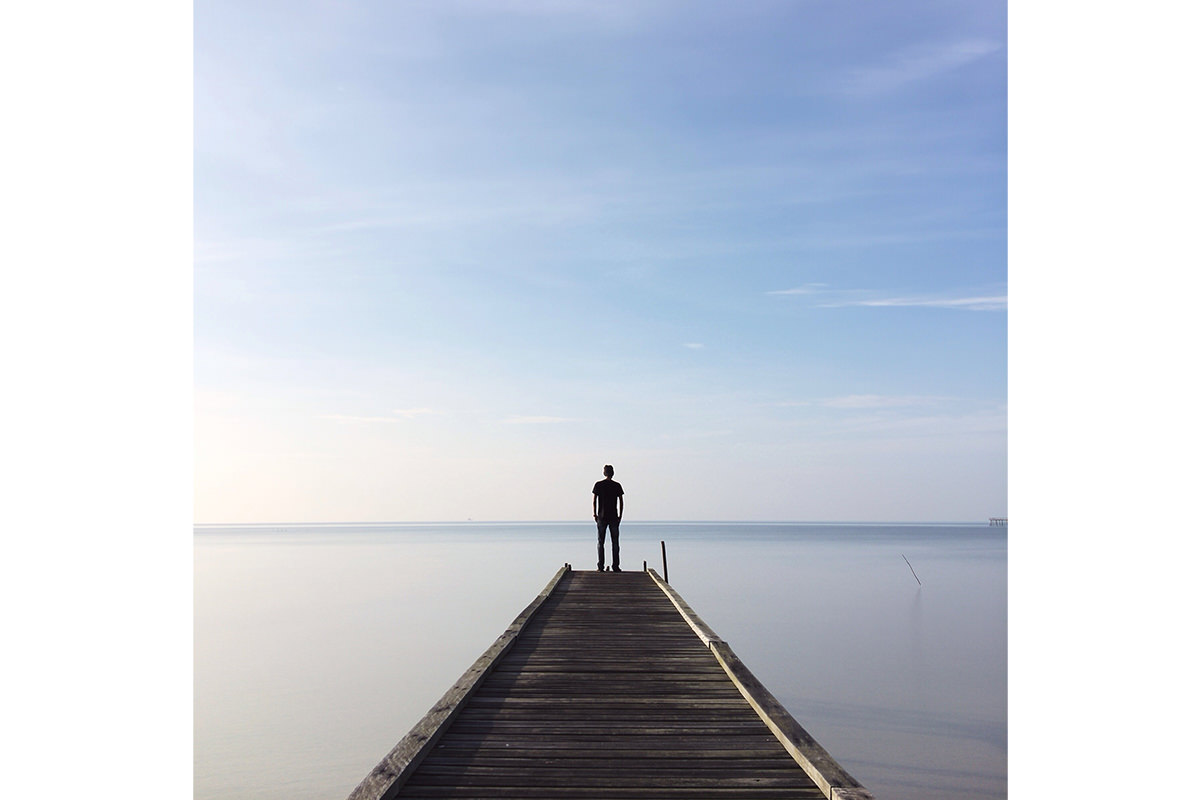
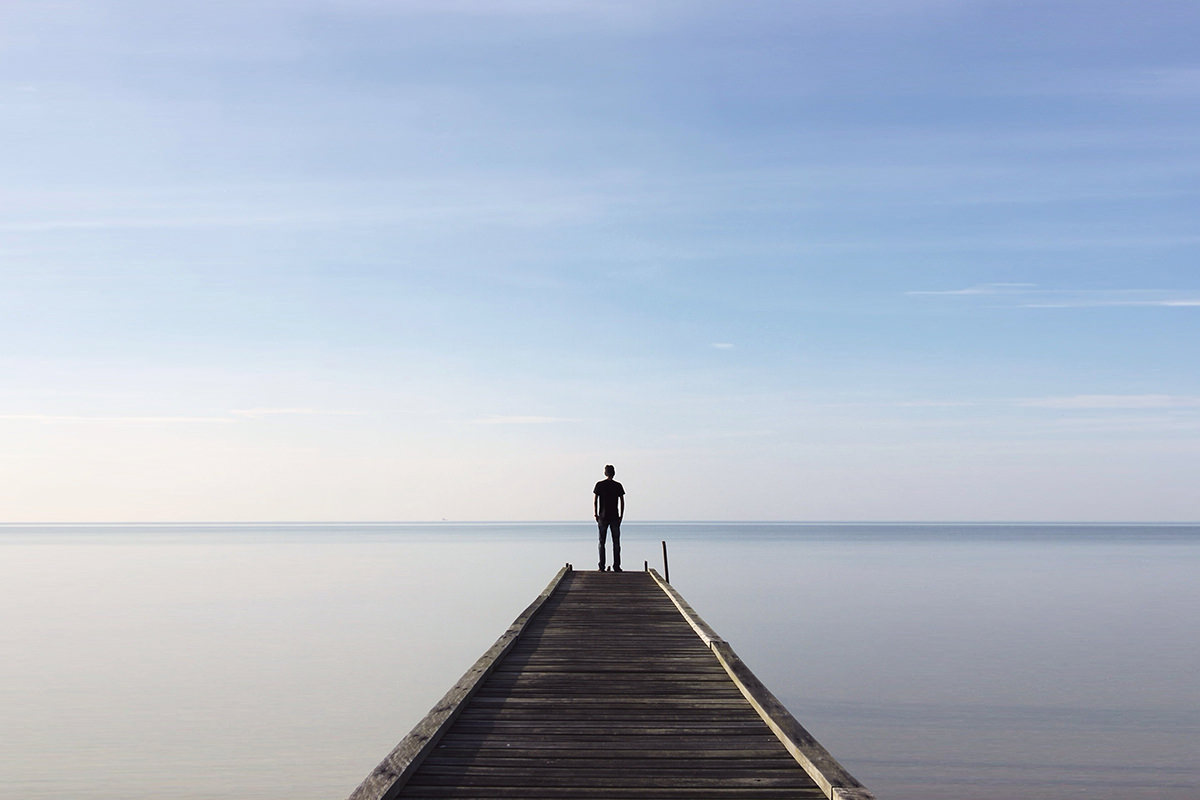
Turning a square photo into a wide landscape or panorama usually means adding pixels somewhere, and Content-Aware Scale is what makes that stretch look natural instead of warped. This tutorial covers when the tool works best, why a regular Transform or a simple selection-based stretch falls short, how to apply Content-Aware Scale to widen an image, and how to protect an important subject with an alpha channel so only the empty space around it actually stretches.
Understanding When Content-Aware Scale Works Best
Content-Aware Scale shines on images with large areas of open space, like sky, desert, or water, and struggles more on images packed with fine detail throughout.
-
Look for Open, Low-Detail Areas
Choose an image with a decent amount of blank or low-detail space, such as sky, a desert, or a lake, since these areas stretch the most convincingly.
-
Be Cautious With Highly Detailed Images
Recognize that a photo where nearly every area contains detailed information is a harder candidate for a clean-looking stretch.
Extending the Canvas Before Stretching
The Crop tool’s boundary handles add empty canvas space to one or both sides of an image, creating the room a later stretch will need to fill.
-
Select the Crop Tool
Press C for the Crop tool.
-
Drag an Edge to Extend the Canvas
Click and drag an edge handle outward to extend the canvas on that side, or hold Alt/Option while dragging to extend both sides symmetrically.
-
Confirm the Crop
Press Enter to confirm the extended canvas size.
Why Regular Transform and Selection-Based Stretching Fail
Stretching a duplicated background with the regular Transform tool distorts everything in the image equally, and stretching only a selected area creates a visible seam where the stretched part meets the untouched part.
-
Try Stretching With Free Transform
Duplicate the background, press Cmd/Ctrl+T, and stretch the layer wide enough to fill the new canvas area, noticing that any subject in the frame becomes visibly distorted.
-
Try Stretching Just a Selected Area
Select a smaller area with the Lasso tool and stretch just that selection instead, noticing the stretched area no longer blends smoothly with the untouched area around it.
Why a Regular Transform Distorts the Whole Image
Free Transform has no awareness of what’s actually important in an image, it simply stretches every pixel in the selected layer or area by the same proportion. That uniform stretching is exactly what distorts a subject like a person just as much as the empty background around them, which is the core problem Content-Aware Scale is built to solve.
Applying Content-Aware Scale to Stretch the Background
Content-Aware Scale analyzes an image and stretches the areas with the least detail more aggressively while leaving important content comparatively untouched.
-
Open Content-Aware Scale
Go to Edit > Content-Aware Scale on the duplicated background layer.
-
Drag the Edge to Stretch the Image
Hold Alt/Option and click and drag the edge outward to stretch the image to fill the extended canvas.
-
Compare Against a Regular Stretch
Compare the result against a plain Transform stretch to see how much better Content-Aware Scale preserves the look of any subject in the frame.
Protecting an Area With an Alpha Channel Selection
Selecting the subject that needs full protection, then saving that selection as a new alpha channel, gives Content-Aware Scale’s Protect option something specific to reference.
-
Select Everything Except the Subject
Use the Magic Wand tool with an increased tolerance to select the areas around the subject, since it’s often easier to select the background than the subject itself.
-
Invert the Selection to Target the Subject
Press Shift+Cmd/Ctrl+I to invert the selection so the subject itself becomes selected instead of the surrounding area.
-
Create a New Alpha Channel
Open the Channels panel and click the New Channel icon to create a new alpha channel.
-
Fill the Selection With White on the Channel
With the subject still selected, press Shift+Delete and fill it with white on the new alpha channel, leaving the rest of the channel black.
Why an Alpha Channel Is Needed to Protect a Custom Area
Content-Aware Scale’s Protect menu only says None until a channel exists, and the separate Protect Skin Tones button only helps with skin, so there is no way to specify an arbitrary custom area directly. Saving a selection as a new alpha channel first gives Content-Aware Scale a reference it can list under Protect, making it possible to shield any specific subject, not just skin, from being stretched.
Applying Content-Aware Scale With a Protected Channel
With the alpha channel created, Content-Aware Scale’s Protect dropdown now offers it as an option, keeping the protected subject fully intact while the rest of the image stretches around it.
-
Return to the Regular Layer
Switch back to the layer copy being stretched, leaving the Channels panel.
-
Open Content-Aware Scale Again
Go to Edit > Content-Aware Scale.
-
Choose the Saved Alpha Channel Under Protect
Select the newly created alpha channel from the Protect dropdown menu.
-
Drag to Stretch While the Subject Stays Intact
Hold Alt/Option and drag the edge outward, confirming the protected subject stays exactly as it was while everything else stretches naturally around it.
Scaling in Stages for Extreme Stretches
Applying Content-Aware Scale multiple times in smaller increments, rather than attempting one extreme stretch, tends to produce a cleaner result.
-
Stretch Partway and Confirm
Drag the Content-Aware Scale stretch about halfway to the intended final width and press Enter to confirm.
-
Repeat Content-Aware Scale for the Remaining Distance
Open Content-Aware Scale again and stretch the remaining distance, repeating as needed until the desired width is reached.
Why Scaling in Small Stages Works Better Than One Big Stretch
Pushing Content-Aware Scale to stretch an image by a huge amount in one single pass tends to introduce visible artifacts and distortion once the stretch gets extreme enough. Breaking that same total stretch into two or more smaller passes, confirming each one before starting the next, gives the tool a better chance of analyzing and stretching the image cleanly at every stage.
Why This Approach Works
Choosing an image with genuine open space to begin with is what sets Content-Aware Scale up to succeed, since it needs low-detail area to stretch into without disturbing anything important. Saving a selection as an alpha channel before scaling is the specific step that extends the tool’s protection beyond its built-in skin-tone option to any subject at all. Stretching in smaller stages rather than one dramatic pull is a simple habit that consistently produces a cleaner, more natural-looking result on a more extreme stretch.
Final Thoughts
Content-Aware Scale turns what would otherwise be an obviously distorted stretch into a natural-looking wider or taller image, as long as the photo has some open space to work with and any important subject gets properly protected. The same extend-the-canvas, protect-with-an-alpha-channel, and stretch-in-stages approach works for reformatting any photo into a new aspect ratio, from a square crop into a wide panorama or beyond.
Quick Reference: Keys, Menus and Settings
- Extend the canvasC, drag a side handle; Alt/Option extends both sides; Enter
- Duplicate the backgroundCmd/Ctrl + J
- Stretch the contentEdit > Content-Aware Scale, Alt/Option-drag a side handle
- Select the subjectMagic Wand on the background, higher Tolerance; Shift + Cmd/Ctrl + I to invert
- Save it as a channelChannels panel, New Channel icon (Alpha 1), Shift + Delete, fill with white
- Protect itEdit > Content-Aware Scale, Protect: Alpha 1
- Big stretchesGo halfway, Enter, then run Content-Aware Scale again
No AI, no generative credits.
Content-Aware Scale: Common Questions
What does Content-Aware Scale do?
It stretches an image wider or taller by stretching the areas with little detail, like sky or water, while leaving the important content mostly as it was.
Which photos work best with Content-Aware Scale?
Photos with a lot of open space on the sides, top or bottom, such as a sky, a desert or a lake. A photo full of detail everywhere is much harder to stretch cleanly.
How do I add canvas on both sides at once?
Press C for the Crop tool and drag a side handle outward. Hold Alt/Option while you drag to extend both sides evenly, then press Enter.
Why not just stretch the photo with Free Transform?
Cmd/Ctrl + T stretches every pixel the same amount, so the man on the pier gets stretched too. Stretching only a Lasso selection leaves a visible seam where the stretched part meets the rest.
Why does the Protect menu only say None?
Protect lists alpha channels, and there are none until you make one. Save a selection of your subject as a channel and it shows up in the menu, named Alpha 1 by default.
How do I make an alpha channel to protect my subject?
Select the background with the Magic Wand and a higher Tolerance, then press Shift + Cmd/Ctrl + I to invert. In the Channels panel click the New Channel icon and fill the selection with white (Shift + Delete).
What if the stretch starts to look bad?
Stretch about halfway, press Enter, then run Edit > Content-Aware Scale again for the rest. Two smaller passes usually look much cleaner than one big one.
What is the Protect Skin Tones option for?
It keeps skin from being stretched. This photo has no skin tones to protect, so the video uses an alpha channel of the man and the pier instead.
From the Magazine View all
Stories, interviews and guides for photographers, new every week.
 EditingLightCraft vs Lightroom: I Edited the Same RAW Files in BothThe free clone on the same RAW files: what matches, what breaks and who should switch.
 InspirationRare Historical Photos: 13 of the Rarest Pictures Ever TakenFrom the earliest surviving picture of a person to the last passenger pigeon: who took each one and why it survives.
 EditingArtCraft: Photoshop Cloned by AI in Two Weeks. Is It Legal?ArtCraft cloned Photoshop and Lightroom with AI and gave them away. Any good? Legal? Safe?
Master Photoshop, Lightroom and Photography
Join PHLEARN PRO for $12.99 a month, or $99.99 a year (save 36%). Cancel anytime, with a 100% money-back guarantee.