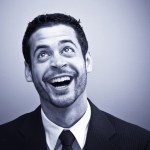
Two completely different looks from one model in under four hours, and both come down to planning the lighting before the session starts. Go behind the scenes on a boomed overhead parabolic and short flash duration that freeze a mid-air jump, the sand and baby oil that add texture on set, and the gridded hair light and beauty dish that carve a moodier second portrait.
We publish a new free tutorial every week, each one with sample images and PSDs you can download and follow along with. Sign up and they land straight in your inbox, along with early word on sales, events and subscriber-only offers.

Behind the Scenes: Gods and Monsters
Getting two completely different, compelling looks out of a single model in under four hours comes down to planning both lighting setups in advance and knowing exactly what each one needs to accomplish. This behind-the-scenes breakdown covers the lighting, props, and small tricks used to create an action-driven jump shot and a moodier, more introspective portrait from the same session.
Why Full-Body Shots Need Larger Modifiers
Photographing an entire figure calls for a different scale of lighting equipment than a tight portrait does.
-
Size Your Modifiers to Your Coverage Area
When photographing a full-body subject rather than just a portrait, use larger lighting modifiers to create a more even light across the whole figure. A smaller modifier that works well for a close portrait will not cover the same area evenly.
Building the Jump Shot’s Main Overhead Light
The action shot’s lighting was designed to imitate a large, soft, overcast light source coming from directly above.
-
Boom a Parabolic Reflector Directly Overhead
Position a large 86-inch parabolic reflector completely above the subject, boomed out, to act as the main light. This creates a soft, even rim light across the top of the subject and picks up fine detail like hair and flying debris.
Why an Overhead Light Reads as Natural
Overcast daylight comes from above and is heavily diffused, so a large parabolic reflector positioned directly overhead recreates that same quality convincingly, even though the entire shot was captured inside a studio.
Adding a Catchlight and Fill on the Left Side
With the overhead light established, additional lights on one side carved detail into the subject’s face and filled in the rest of the frame.
-
Add a Small Reflector for a Catchlight
Position a reflector off to camera left, aimed to create a small, direct catchlight in the subject’s eyes and help carve their face out from the background.
-
Add a Larger Parabolic for General Fill
Position a second, larger parabolic reflector also to camera left to bring up the overall ambient light across the rest of the frame.

Filling In the Unlit Side With a Small Soft Box
Leaving one side of the frame completely unlit initially mimicked natural single-direction lighting, but left too little detail visible on camera right.
-
Add a Low-Power Soft Box to the Unlit Side
Add a small soft box on camera right with the power turned well down, enough to bring back a bit of visible detail without meaningfully carving out the subject or competing with the main lighting direction.
Why This Fill Light Stayed So Subtle
The goal was not to make the shot look evenly lit from both sides. It was to avoid the unlit side going so dark that it lost all detail entirely. Keeping that fill light’s power low preserved the natural, directional feel of the original one-sided lighting while still salvaging visible information on the shadow side.
Using a Short Flash Duration to Freeze Motion
Capturing a genuine jump in mid-air sharply requires the strobes themselves to be suited to fast action.
-
Choose Strobes With a Short Flash Duration
Use monolights with a short flash duration (this shoot used Paul C. Buff Einsteins), meaning how quickly the flash ramps up to full power and back down, since a longer duration will introduce motion blur on any fast action like a jump.
Adding Sand and Baby Oil for Extra Texture
Two simple on-set additions added noticeably more visual interest and definition to the jump shot.
-
Sprinkle Sand on the Subject Before Each Jump
Sprinkle sand on the subject’s shoulders, head, and hands before each jump so it releases and trails behind them mid-motion, giving the impression of jumping through an environment.
-
Photograph Additional Sand Separately
In post-production, photograph extra sand on its own, to be composited in later for an even more dramatic effect.
-
Apply a Small Amount of Baby Oil to the Skin
Apply a light coat of baby oil to the subject’s skin to help define muscle tone with sharper, more visible highlights.

Building the Second Look’s Smaller Hair Light
The second, more introspective portrait used a scaled-down version of the same top-and-side lighting logic, but with much tighter control.
-
Use a Small Gridded Reflector for the Hair Light
Replace the large overhead parabolic with a 7-inch reflector fitted with a 40-degree spot grid and its power turned down, aimed so it only lights the very top of the subject’s head with minimal spill onto the shoulders.

Carving the Face With a Fill and a Gridded Beauty Dish
Rather than lighting the face flatly from the front, this look relied on controlled shadow to add drama and mystery.
-
Add a Soft Box Behind the Subject
Position a medium soft box behind the subject to provide gentle overall fill.
-
Add a Gridded Beauty Dish to the Side
Add a beauty dish fitted with a 40-degree spot grid a little off to one side of the subject’s face, since the grid lets you control precisely where the transition from light to shadow falls across the face.

Why a Flatly Front-Lit Face Looks Less Interesting
Lighting a subject’s face directly from the front tends to fill in every shadow evenly, which can look competent but rarely dramatic. Deliberately controlling where shadow falls, and adjusting a gridded light’s angle slightly to shift that shadow line, gives the image more shape, mystery, and visual interest than an evenly lit face ever will.
Directing a Model’s Expression With a Simple Prompt
A small, reliable direction can consistently produce a specific emotional read from almost any model.
-
Have the Model Look Down and Drop Their Chin
For a pensive, emotional expression, simply ask the model to look toward the floor and drop their chin slightly, a reliable direction that tends to work on both trained and untrained models alike.
Why This Approach Works
Getting two genuinely distinct looks from one model in a single short session works because each lighting setup was built around a clear, specific goal rather than a generic instinct to make it look good: an overhead parabolic and short flash duration for the action shot’s motion and rim detail, and a small gridded hair light plus a gridded beauty dish for the introspective portrait’s controlled shadow. Small additions like sand, baby oil, and a simple directed expression added texture and mood without requiring extra lighting setups of their own, which is part of what made finishing both looks in under four hours realistic.
Final Thoughts
The real takeaway from this session is not any single light or modifier choice. It is the value of getting more than one look out of the time you have with a model, even when it is the same person in the same wardrobe. Planning two lighting setups that each serve a distinct mood, and having simple texture tricks like sand or baby oil ready to go, makes it possible to walk away from one short session with genuinely varied, publishable images rather than just one.
Quick Reference: Settings and Tips
- Jump shot main light86-inch parabolic reflector boomed directly above the subject
- Catchlight and rim7-inch reflector camera left into the eyes; a larger parabolic camera left
- Shadow sideSmall soft box camera right, power turned well down
- Freeze the jumpStrobes with a short flash duration (Paul C. Buff Einsteins)
- TextureSand on the shoulders, head and hands before each jump; a little baby oil on the skin
- Portrait lights7-inch reflector, 40-degree grid on top; medium soft box behind; beauty dish, 40-degree grid, off to the side
- Pensive lookHave the model look at the floor and drop their chin
Two Looks in One Shoot: Common Questions
Why do full-body shots need bigger light modifiers?
A portrait covers a small area, so small reflectors and beauty dishes work. A whole figure needs larger modifiers to light the subject evenly from head to toe.
What was the main light for the jump shot?
A large 86-inch parabolic reflector boomed directly above the subject, like light from a stormy, cloudy sky. It rims the top of the subject and picks out the hair, the fur and the flying dirt.
How was the catchlight in his eyes made?
A 7-inch reflector on camera left, aimed straight at his eyes. A second, larger parabolic on the same side adds more rim light.
How do you keep the shadow side from going black?
Add a small soft box on that side with the power turned well down. It adds a little detail without carving out the subject or changing the direction of the light.
How do you freeze someone mid-jump?
Use strobes with a very short flash duration, the time the flash takes to reach full power and drop back to zero. This shoot used Paul C. Buff Einsteins.
How was the flying sand done?
Sand was sprinkled on his shoulders and head and put in his hands before every jump, so it trails behind him. More sand is photographed on its own to add in post-production.
Why put baby oil on the model?
A little baby oil on the skin gives sharper highlights, which defines the muscles in the shot.
How was the pensive portrait lit?
A 7-inch reflector with a 40-degree spot grid on top as a low-power hair light, a medium soft box behind him, and a beauty dish with a 40-degree grid a little off to the side. Moving the beauty dish left or right moves the line between light and shadow on his face.
How do you get a pensive expression from a model?
Ask them to look at the floor and drop their chin. Aaron says it works on trained and untrained models pretty much every time.
Master Photoshop, Lightroom and Photography
Join PHLEARN PRO for $12.99 a month or $99.99 a year. Cancel anytime, with a 100% money-back guarantee.