
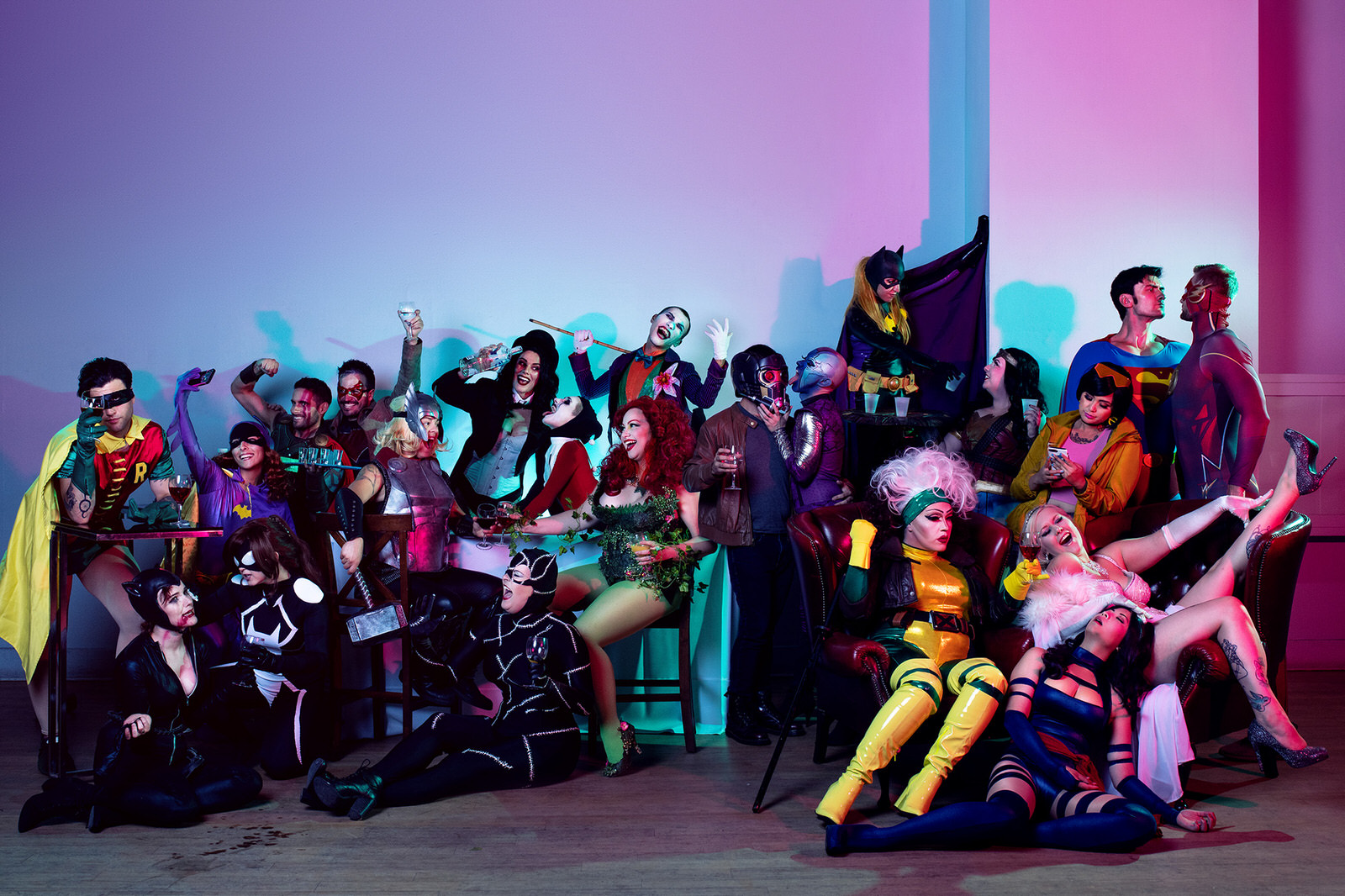
7 Awesome Halloween Costume Photo Tips from Professional Cosplay Photographers
For some, Halloween is more than an excuse to get drunk and dress up in sexy versions of traditionally non-sexy people. Some folks spend months planning their costume, days searching for the right accoutrements and hours physically creating the thing, crafting a memorable costume that they’ll wear for just one epic night of showing off to friends and strangers.
Originally published October 25, 2018, by Michael Fraiman. Updated October 16, 2026, by PHLEARN Staff: We numbered the seven tips, added a profile box for each photographer and full-size photo grids; the tips are unchanged.
Seven professional cosplay photographers each give one costume photography tip here, from directing your subject like an actor to keeping a Plan B for rain.
After that, all that will survive are the photos.
So, if you’re putting the effort into the costume, why not put some effort into the photos?
Just ask the experts. Some people, after all, do this kind of thing year-round – cosplayers take costuming to a whole other level, travelling around countries, connecting with sponsor brands and partnering with professional cosplay photographers to create beautiful recreations of their favorite movies, games and anime.
Halloween, then, is the one time of year when everyone else on the planet takes a cue from the cosplay world. If you’re a professional photographer looking to immortalize some beautiful costumes this time of year, these cosplay photogs have some tips for you.
Tip 1: Don’t Forget to Have Fun
Store links in this article are affiliate links, so PHLEARN may earn a commission. As an Amazon Associate, PHLEARN earns from qualifying purchases.
- Based inToronto, Canada
- Shoots withNikon D850, but I’ll shoot with anything I can get my hands on, including Fuji, Hasselblad, film and my cell phone
- Shooting sinceThe darkroom days back in the 90s

All the normal photography rules with regards to composition and lighting apply, but everyone has read about those a million times and frankly they are a distant second to the more important element: the subject.
Content is king, and in this case, the content is cosplay – literally “costume play”. Your subject has the costume, so you concentrate on the “play” part. Let your subject be the character as an actor would. Give them scenarios to play out and have fun with it. Don’t pose; direct.
Don’t pose; direct.
Paul Hillier
Props are a great way to help you and your subject get into character, and give their hands something to do. They’re also a good way to start crafting a story. What are they doing? Shooting a gun, protecting a gem, analyzing an orb or fixing a bike? Especially for people not used to being in front of the camera, crafting a story is a great way to get them in the right mindset.
Let the setting be a character your subject can play off of. Engaging with your surroundings grounds your subject and makes them feel like they are part of a bigger world. Don’t be afraid to really pull back and let your setting take center stage to help tell a larger story.
Too many people nowadays forget the “play” part of cosplay, so when taking pictures this Halloween, don’t forget to have fun with it.
 Stella Chuu as Valus from Shadow of the Colossus ©Paul Hillier
 Kiga as EDI from Mass Effect ©Paul Hillier
 Cowbutt Crunchies as Bulbasaur ©Paul Hillier
 Riley Ellen and The Last Son as Sailor Moon and Tuxedo Mask ©Paul Hillier
 Holly Wolf as Princess Zelda ©Paul Hillier
Tip 2: Experiment with Everything
- Based inLondon, U.K.
- Shoots withCanon 5D Mark II. I own a few different lenses, but it’s my 50mm f/1.4 Sigma that I use the most.
- Shooting forOver six years

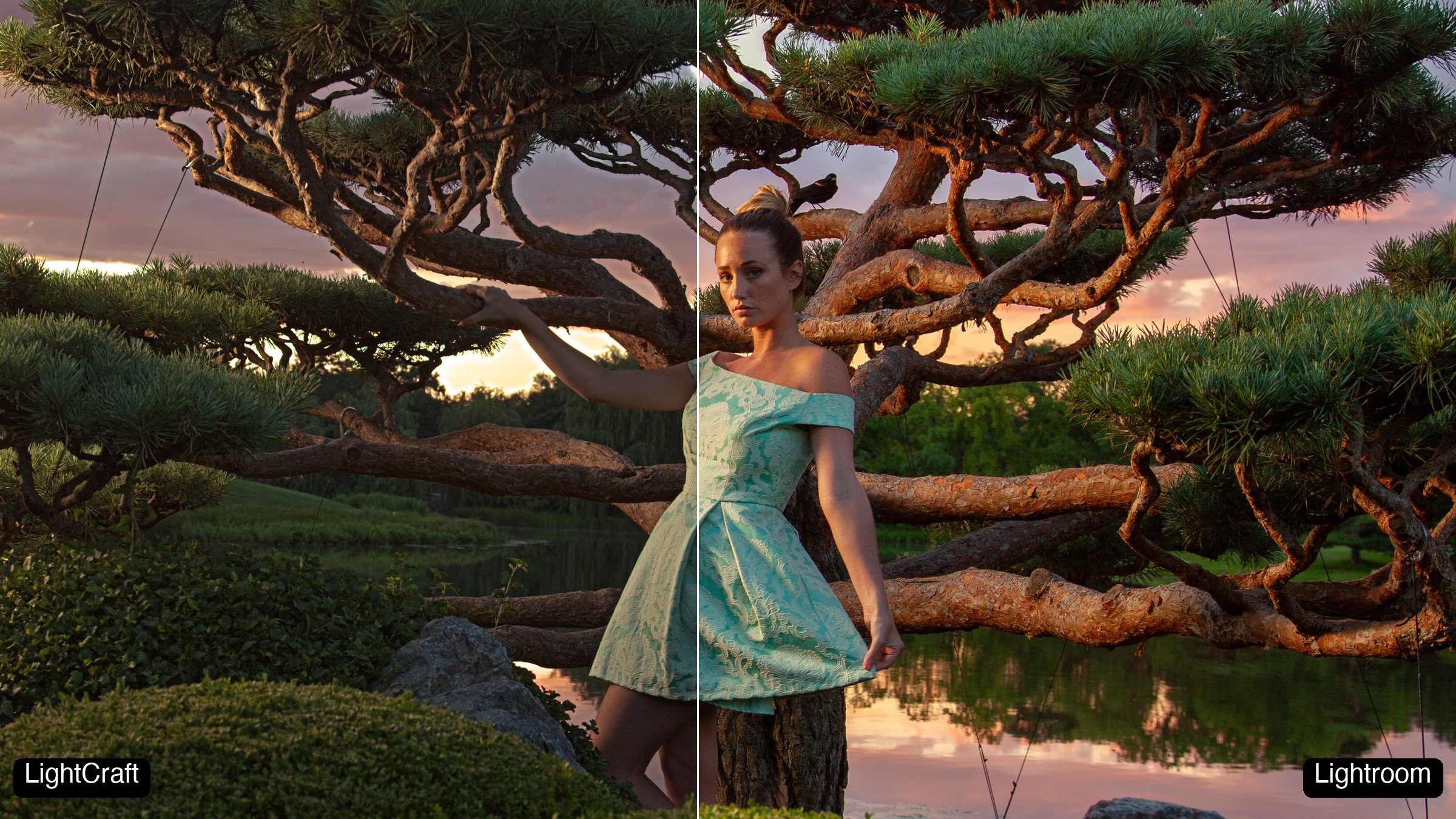
Experimenting is essential when it comes to photography. Using an off-camera flash to create interesting shadows on the model will certainly help to provide a unique and sinister look. Even the use of colored gels can help make the photo more dynamic and interesting. Alternatively, using ambient light (and any other light source available) can certainly bring about a spooky atmosphere. Using accessories such as a prism can help create ghostly looks; smoke can create a more eerie feeling.
Anything is possible with Adobe Lightroom and Photoshop these days. You can change the color grade to produce a mysterious atmosphere, or add effects to make your photo pop. Creating a composite piece opens up doors to place your model in any scary scenario.
 Katya Fernandes as Rita Repulsa from Power Rangers ©Sonesh Joshi
 King Tide as Aquaman ©Sonesh Joshi
 Eleena as Himiko Toga from My Hero Academia ©Sonesh Joshi
 Onyxeia as Mera ©Sonesh Joshi
Tip 3: Make Your Subject Comfortable
- Based inManila, Philippines
- Shoots withNikon D7100 with an 18-55mm Nikkor lens and 85mm f/1.8 Nikkor lens
- Shooting sinceJanuary 2009

Connect and get to know the person you’re going to shoot with. It is imperative to make the subject comfortable during the shoot, as it will affect how to pose and portray the character. Try to talk about the series or the character of their costume – it should be a good starting ground.
To do that with cosplayers (or people dressing up as any specific character for Halloween), I highly recommend getting to know the costume character. If it’s from a series or a movie, go watch it first, as it will help you connect with the character. Plan out the shoot first; look up some references online or take screenshots from the series while you are watching it to recreate during the shoot. This process helps inspire me while I’m shooting.
 Shely Tee as Midori from Divine Gate ©Kira Hokuten
 Yuji Koi as Jeanne d’Arc from Fate GO ©Kira Hokuten
 Faye Liper as Paris from Brave Frontier ©Kira Hokuten
 Irumi Li as Elin from Tera Online ©Kira Hokuten
 Munoko as Snow White from SinOAlice ©Kira Hokuten
Tip 4: You Don’t Need to Break the Bank when Staging a Scene
Eric Ng, Big White Bazooka
- Based inSouthern California
- Shoots withCanon EOS-1DX and Sony a7R III
- ShootingCosplay for about 10 years across America and Asia

I would highly recommend practicing poses on your own before shooting. Poses generate an emotion, and the best way to get someone to live out characters is to show and tell. If you can act out the character yourself to get your ideas across, they can mimic you. Once you can set up an emotional connection, the audience can really enjoy the costume and character more.
Staging a quick scene is always fun, too. If you go to your local thrift store, you can usually find stuff to stage a scene for under $20. With a little bit of creative lighting, you can use those items to tease a scene. A little light in a dark room goes a long way. Often a color gel can be added to change the mood of your lighting. This can help hint at your environment that will support your character in your shot.
If you want some spooky shots, you can get some flashlights and use that to light your subject outdoors. The harsher lighting will definitely catch all of the textures and scary bits and the falloff will be quick so you can leave a bit of mystery around your characters.
 Mr Dustinn as Deku from My Hero Academia ©Big White Bazooka Photography
 Amie Lynn as Major from Ghost in the Shell ©Big White Bazooka Photography
 Wes Johnson & Rolyat is Taylor as Frankenstein’s Monster and Bride of Frankenstein ©Big White Bazooka Photography
 Stella Chuu as Dawnbringer Riven from League of Legends ©Big White Bazooka Photography
 RinRin Doll as B.B. Hood from Darkstalkers ©Big White Bazooka Photography
Tip 5: To Understand the Shot, Start with the Costume
Eddie Cheung, Food and Cosplay
- Based inSouthern England
- Shoots withCanon 6D with a 50mm f/1.4 and 70-200mm f/2.8
- Shooting forSix years

One of the best pieces of advice I can give to other photographers is know the character you are shooting with. Before a shoot, I always do a Google image search of the character so I get a feel of what the character represents, the scenery that works best and the type of poses the character does. Even if you can’t do the research beforehand, you probably have a mobile connected to the Internet, so it’s easy to do a quick search and discuss ideas of how the shoot should go.
Also, have fun with the shoot. We all want great photos, but having silly moments from time to time helps relax everyone, which yields better photos – and everyone loves a funny behind-the-scenes photo.
 Sian Wickenden as Jason Voorhees ©Food and Cosplay
 Sian Wickenden as Jason Voorhees ©Food and Cosplay
 Hannah Lydia as Alma Wade ©Food and Cosplay
 Faerie Blossom as Pennywise ©Food and Cosplay
Tip 6: Make a Plan and Stick to It
Paper Cube
- Based inUnited Kingdom
- Shoots withCanon 5D Mark II
- Shooting forFive years

Plan well ahead, gather ideas and find a location that fits well with the costume. Make sure you visit the area first to see if it’s suitable and will be available on the day of your shoot. Plan which part of it you would like to use and stick around there. It is easy to wander off schedule straight away: stick to the plan first, do the shots you both had in mind, then when it’s done, you can start unplanned shots.
Have a Plan B, too. What will you do if the location on that day is no longer available, or if you’re shooting outdoors and it starts raining? It would be a shame, after all the planning and travelling, for it to be ruined because of rain, not to mention the time spent by your subject on their makeup and costumes. Preparation is critical.
Preparation is critical.
Paper Cube
 Asuka as Alice Liddell ©Paper Cube
 Eileen Skopnik as Midna from The Legend of Zelda: Twilight Princess ©Paper Cube
 Cosbabe as Kasumi from Dead or Alive 5 ©Paper Cube
 Mimi Moon as 2B from Nier Automata ©Paper Cube
Tip 7: Bring Your Subject to Life
- Based inLondon, U.K.
- Shoots withSony a7 II
- Shooting sinceLate 2012

For me, cosplay photography, more than anything, is about bringing the characters to life.
For me, cosplay photography, more than anything, is about bringing the characters to life.
Carlos Adama
When I think about the poses, setting and lighting, I think about the character and the source material, and try to create something that feels like it fits them, like they just jumped out of the page or screen.
So find a background that makes sense and use light accordingly. Help your subject get in the mood and become the character. Be dynamic with the posing and framing. If you’re shooting a group, pictures are much better when characters are interacting with each other – in character.
The bottom line is that cosplay is “costume + play”, so get people to act the part and have fun with it.
 King Tide as Khal Drogo from Game of Thrones ©Carlos Adama
 Katya Fernandes as Wonder Woman ©Carlos Adama
 Blood Spider as Yondu ©Carlos Adama
 Karl Hugues and Kitty as Rick and Morty ©Carlos Adama
Costume Photography for Any Costume
Now, you may be thinking, “But – but – my costume is nowhere near that good!” Honestly, that doesn’t matter as much as you’d think. Great costume photos can transcend the costume itself with the right photographer. With interesting angles, unique lighting and commitment to the role, you can still capture incredible photos of your epic Halloween night.
Costume Photography: Common Questions
How do you prepare for a cosplay photo shoot? Get to know the character first. Kira Hokuten watches the series or movie and takes screenshots to recreate, and Eddie Cheung does a Google image search of the character for its scenery and typical poses. Paper Cube visits the location ahead of time to check it is suitable and available, and plans a backup in case it rains.
How do you pose someone in costume? Paul Hillier’s advice is “Don’t pose; direct.” Give your subject a scenario to act out, a prop to hold and a setting to play off. Eric Ng practices poses himself and acts out the character so the subject can copy him. Carlos Adama asks groups to interact with each other, in character.
How do you light a spooky costume photo? Sonesh Joshi uses off-camera flash for sinister shadows, colored gels, a prism for a ghostly look and smoke for an eerie feel. Eric Ng says a little light in a dark room goes a long way, and that flashlights outdoors give harsh light that catches the textures and falls off quickly.
Do you need an expensive costume or set for costume photography? No. Eric Ng wrote in 2018 that a local thrift store usually has enough to stage a scene for under $20. The article’s closing note says the costume matters less than you’d think: interesting angles, unique lighting and commitment to the role carry the photo.
In this article
- 1. Don’t Forget to Have Fun
- 2. Experiment with Everything
- 3. Make Your Subject Comfortable
- 4. You Don’t Need to Break the Bank when Staging a Scene
- 5. To Understand the Shot, Start with the Costume
- 6. Make a Plan and Stick to It
- 7. Bring Your Subject to Life
- Costume Photography for Any Costume
- Costume Photography: Common Questions
Free with PHLEARN




Join the conversation