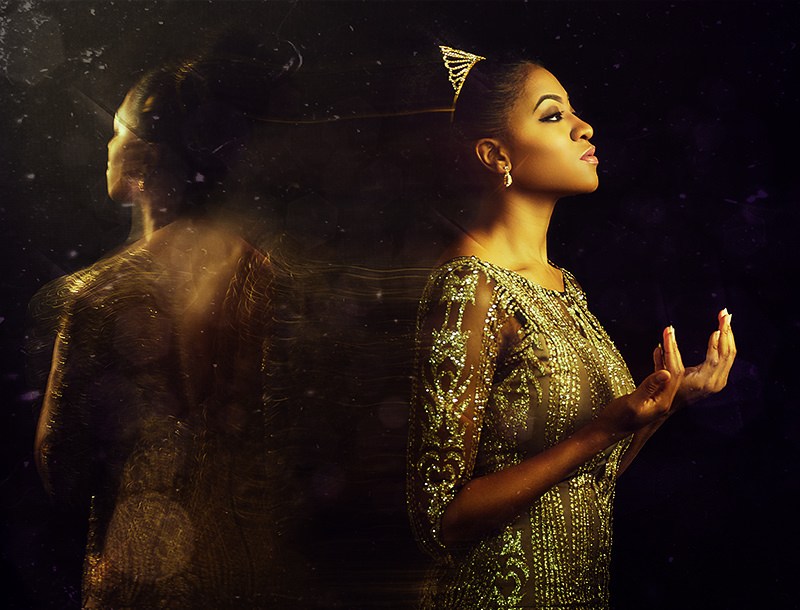
Developing Style
Every photographer needs a style. Style is what sets you apart. It is, in large part, what clients pay for – your unique view of the world through your lens.
Originally published June 13, 2017, by Rodney Avo. Updated October 16, 2026, by PHLEARN Staff: Rodney’s story of the studio shoot that shaped his style, now in sections with photo pairs and a few common questions answered from his own words; his text is unchanged apart from two typo fixes.
Rodney Avo’s photography style came out of a studio job he wasn’t ready for. Here he tells how 40 minutes of trial and error turned into the look clients kept asking him to repeat.
Everyone has a different path when it comes to figuring out how they want their work to look and feel; and some paths are more bizarre than others.
2
weeks between booking the shoot and the studio day
40
minutes of trial and error before something stuck
45
minutes, or close to it, that the client waited
A Studio Job I Wasn’t Ready For
Three years ago, I had an experience that has largely influenced my current style with regard to studio photography. I had been approached by a client to do a shoot in-studio. This was at a time when I was not familiar with studio work. I had no experience with lights, strobes and other gizmos in a controlled environment. I had relied primarily on reflectors, speedlights and natural light for most of my budding career. Despite my inexperience, I took the job because I thought I could pull it off.

The shoot was booked and scheduled to hold in two weeks. I made an appointment to rent a studio in my local area and proceeded to binge-watch every studio lighting tutorial on YouTube – PHLEARN included. By the time the shoot came around, I was pretty confident that I knew enough to get me through. I got to the studio an hour in advance to set up the space. Upon getting there, I realized I had made a very costly assumption: I’d assumed that all studios have the same equipment. I was welcomed by gadgets that were never covered in any of the tutorials and I quickly became deflated.
Forty Minutes of Trial and Error
An hour passed and the clients arrived, ready to get “professional” imagery but I wasn’t ready and I couldn’t let them know that. So, for the next 40 minutes or so, I kept moving lights around, looking for a setup that might make a decent shot. I pushed every button, turned every dial and flicked every switch. I would take test-shot after test-shot. Nothing worked. To the client, I looked busy but I had no idea what I was doing. Each time she inquired what the holdup was, I would use the old “I’m just tryna get my settings” line.
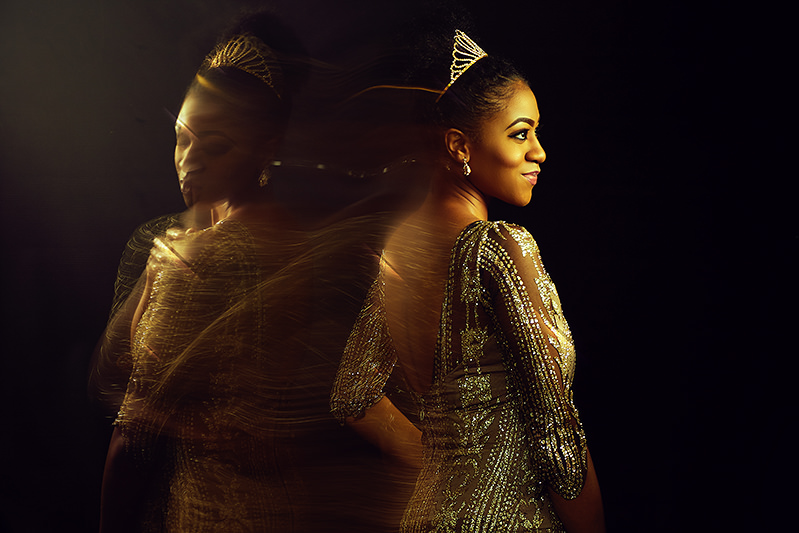
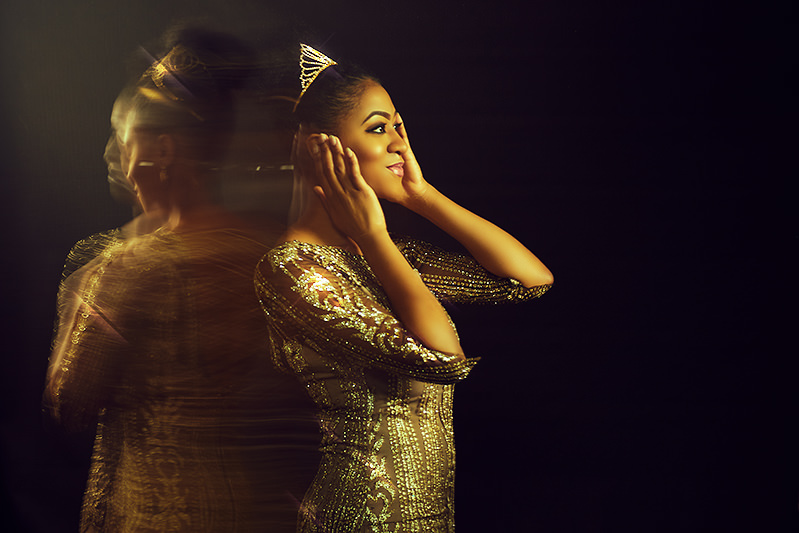
After 40 minutes of trial and error, finally something stuck – and it wasn’t half bad. In fact, it was amazing. I quickly showed the client my LCD as if to say “what do you think? Totally worth the wait, right?” She was even more impressed than I was. I just shrugged it off like I knew what I was doing all along. After all, she paid for a professional not an amateur.
I quickly took note of the settings and positions of all the equipment as a starting point. From this point, I really started having fun. I would tweak things a little, getting even better results. The shoot came alive. The client was impressed with the results and totally forgot she had to wait close to 45 minutes for me to get my act together.

At times the highest reward for your work is not what you get for it, it’s what you become by it.
Rodney Avo
How a Photography Style Develops
Those settings became my go-to for studio shoots. I would play with the settings and get creative with them. I’d further refine the results in Photoshop to really make it my signature move. I got several calls and emails saying “I want you to create pictures like this for my fashion line/birthday/wedding/pet” with one of my images attached. Over time, I mastered those settings and their variations until it became my style – something only I did at the time. I’ve shared those settings at numerous workshops since then. My style has gone in a totally different direction now but I always look back at that point as a moment of truth – a period of growth.
At times the highest reward for your work is not what you get for it, it’s what you become by it. Style hardly develops by simply wishing your work looked a certain way. It develops by trying things, making mistakes and being conscious of the process. When you hit something that makes your creative spirit come alive, you can now tune it, refine it, or turn it on its head, making it yours. Go through the creative motions but, whatever you do, remember to have fun.
Style hardly develops by simply wishing your work looked a certain way.
Rodney Avo
Common Questions About Photography Style
How do you develop a photography style? Rodney’s answer is that style hardly develops by wishing your work looked a certain way. It develops by trying things, making mistakes and paying attention to the process. When something makes your creative spirit come alive, you tune it, refine it or turn it on its head until it is yours.
Why does your photography style matter? Style is what sets you apart. Rodney writes that it is, in large part, what clients pay for: your own view of the world through your lens.
How did one shoot shape Rodney’s style? He took a studio job with no experience of strobes, and the rented studio had equipment no tutorial had covered. After about 40 minutes of moving lights and test shots, one setup worked. He noted the settings and light positions, made them his starting point for studio shoots and refined the results in Photoshop. Clients began sending his images and asking for pictures like them.
Does a photography style stay the same? Not for Rodney. His style has since gone in a totally different direction, but he looks back on that shoot as a period of growth, and he has shared those settings at workshops.
Check out more of Rodney’s work here.