Step Back in Time with This Vintage Cinematic Shot by Christopher Soukup
San Francisco photographer Christopher Soukup creates images with a distinct cinematic quality, particularly his dark and moody night shots.
Originally published September 10, 2018, by Jessi Gowan. Updated October 16, 2026, by PHLEARN Staff: new sections and a settings box; the story’s words unchanged.
In this behind-the-shot story, Christopher Soukup explains how he photographed a Pacifica bar at night on medium format film: the long wait for a clear intersection, the square composition and the edit.
A Bar That Feels Like Home
As a native of western Pennsylvania, he says he often looks to shoot scenes that remind him of home – images that depict a feeling, a slight interpretation of reality.
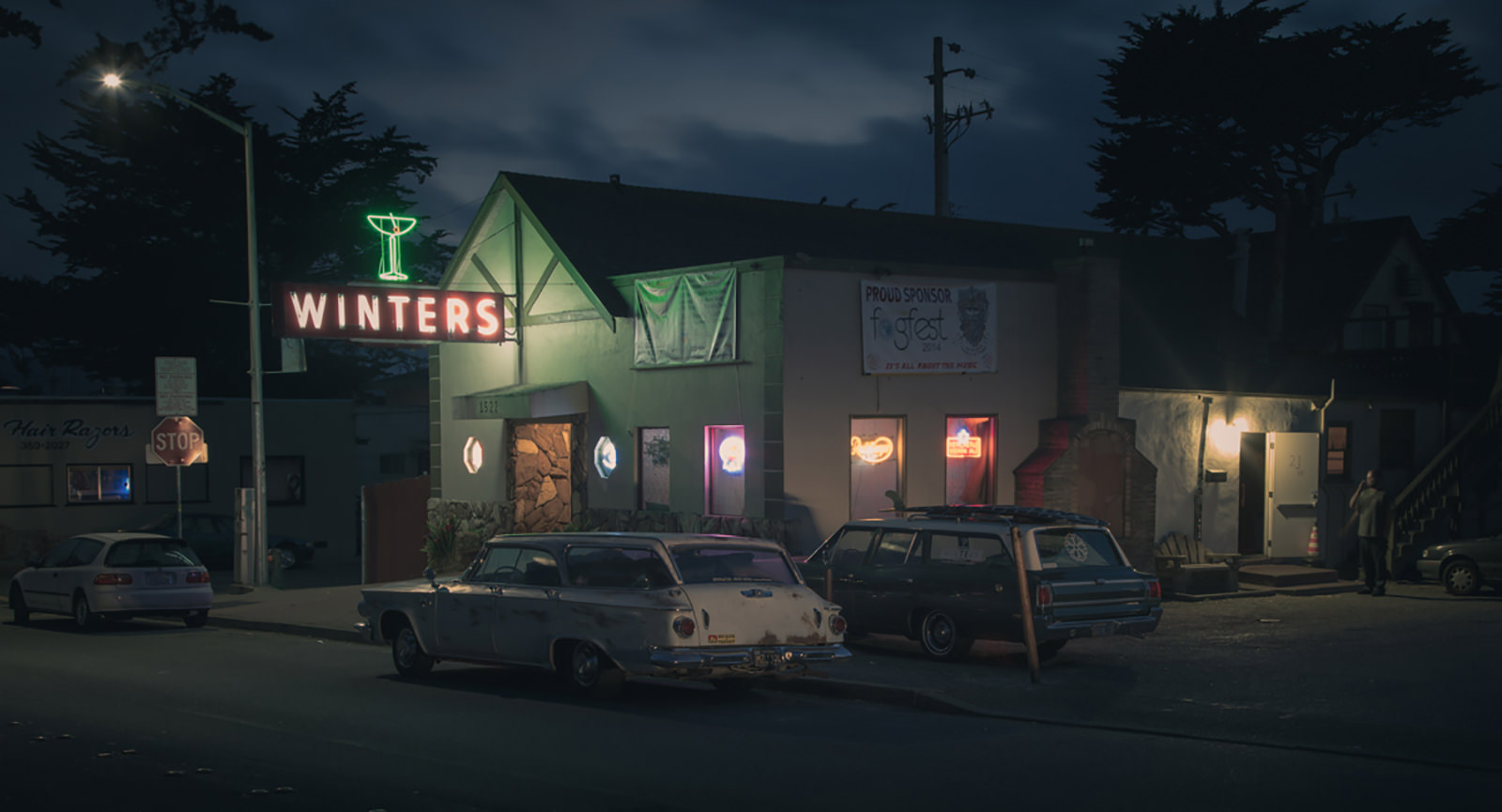
Fitting that bill perfectly was a bar Chris discovered in the nearby suburb of Pacifica. He’d shot the scene before, with a digital camera, but says he knew there was another opportunity or two at that location – and returned to the spot one evening with his Hasselblad 500 C/M to do some night photography.
“Scenes like this remind me of that place and time, not just the sign but the strategically-placed cars, as well,” he says. “I wanted this image to be of another era without feeling necessarily nostalgic.”
I wanted this image to be of another era without feeling necessarily nostalgic.
Christopher Soukup
Waiting for the Moment
The intersection where the bar is located is fairly busy, according to Chris. It also incorporates an off-ramp for an adjacent highway. To avoid light trails or people entering the scene, he had to wait a fair while and take several shots.
“Almost all of my night shots are long exposures using a tripod, and since this was shot on film and not digital, setup always takes a bit longer,” he says. “Most of my shots are spontaneous in identification, but almost always take a good bit of time to prepare or wait for the right moment.”
Composing in a Square
By choosing to shoot with the Hasselblad 500 C/M, Chris says he was restricted to a square format to frame his shot. However, he felt it was a good choice for the setting, allowing him to isolate specific aspects of the scene.
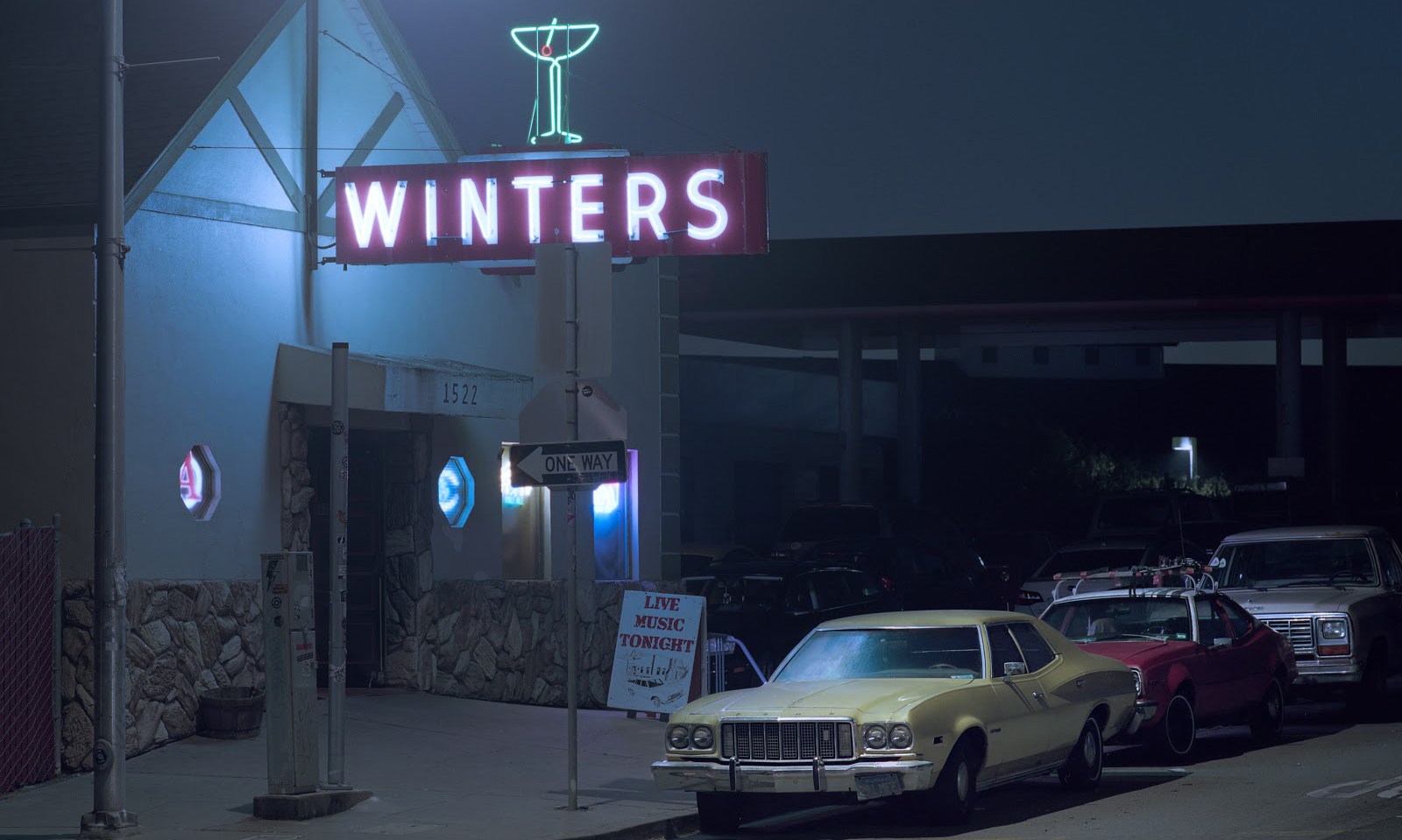
“There are three primary elements that made this composition for me, the first being that fantastic sign,” he explains. “The second item is the necessary parts of the bar itself, and the final portion was getting the three vintage cars in a row.”
Chris also thought carefully about what to eliminate from his composition. While he liked the inclusion of the light pole and the soft glow from the bulb, he says if he’d shot wider, he would have had to contend with the light itself – which would have distracted from the sign and the cars.
3
vintage cars lined up in the frame
45
seconds, the longest exposure he used
50
years the scene could belong to
Camera and Settings
- CameraHasselblad 500 C/M
- Lens150mm Zeiss
- Settingsf/8, 30 to 45 seconds, Kodak Portra 160
Store links in this article are affiliate links, so PHLEARN may earn a commission. As an Amazon Associate, PHLEARN earns from qualifying purchases.
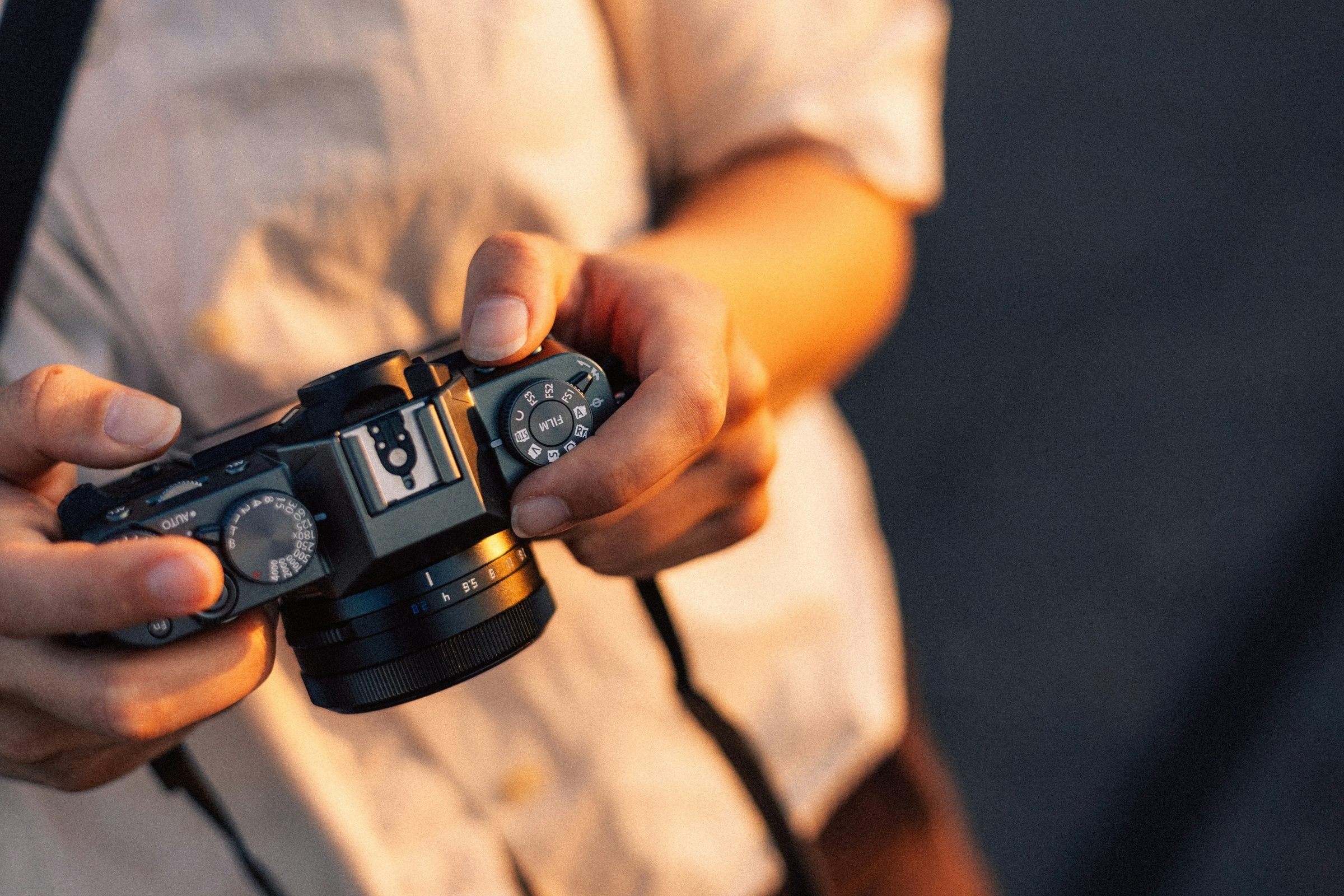
Camera, lens and film
Medium format film camera, interchangeable focusing screens, shutter speed 1 to 1/500 s
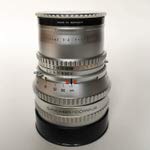
Outstanding classic optics for full-frame and medium format cameras
The image was captured with the 150mm Zeiss lens, at f/8 for an exposure of between 30 to 45 seconds, using Kodak Portra 160 film. The settings were chosen carefully – as Chris says, capturing the perfect night shot almost always hinges on ensuring dark areas of a high-contrast scene are exposed with enough light.
“It’s hard to overexpose negative film at night, due to reciprocity failure and the nature of film, it’s always very easy to do the opposite,” he says. “I use a reverse strategy when using digital.”
How Christopher Soukup Edited the Scan
After capturing the shot, Chris scanned the negative and imported it into Lightroom and Photoshop for some post-processing. He prefers to work with a scan that is a bit flat, but which also retains good shadow detail and highlights that aren’t overblown.
“I end up spending more time applying the right contrast – in this case, to the cars and to the parking lot and building in the background,” he explains. “I adjust color via the color balance tool in Photoshop and sometimes via adding tones to highlights and shadows. In almost all of my photographs, there is not a formula, a specific set of filters, or use of any presets.”
In almost all of my photographs, there is not a formula, a specific set of filters, or use of any presets.
Christopher Soukup
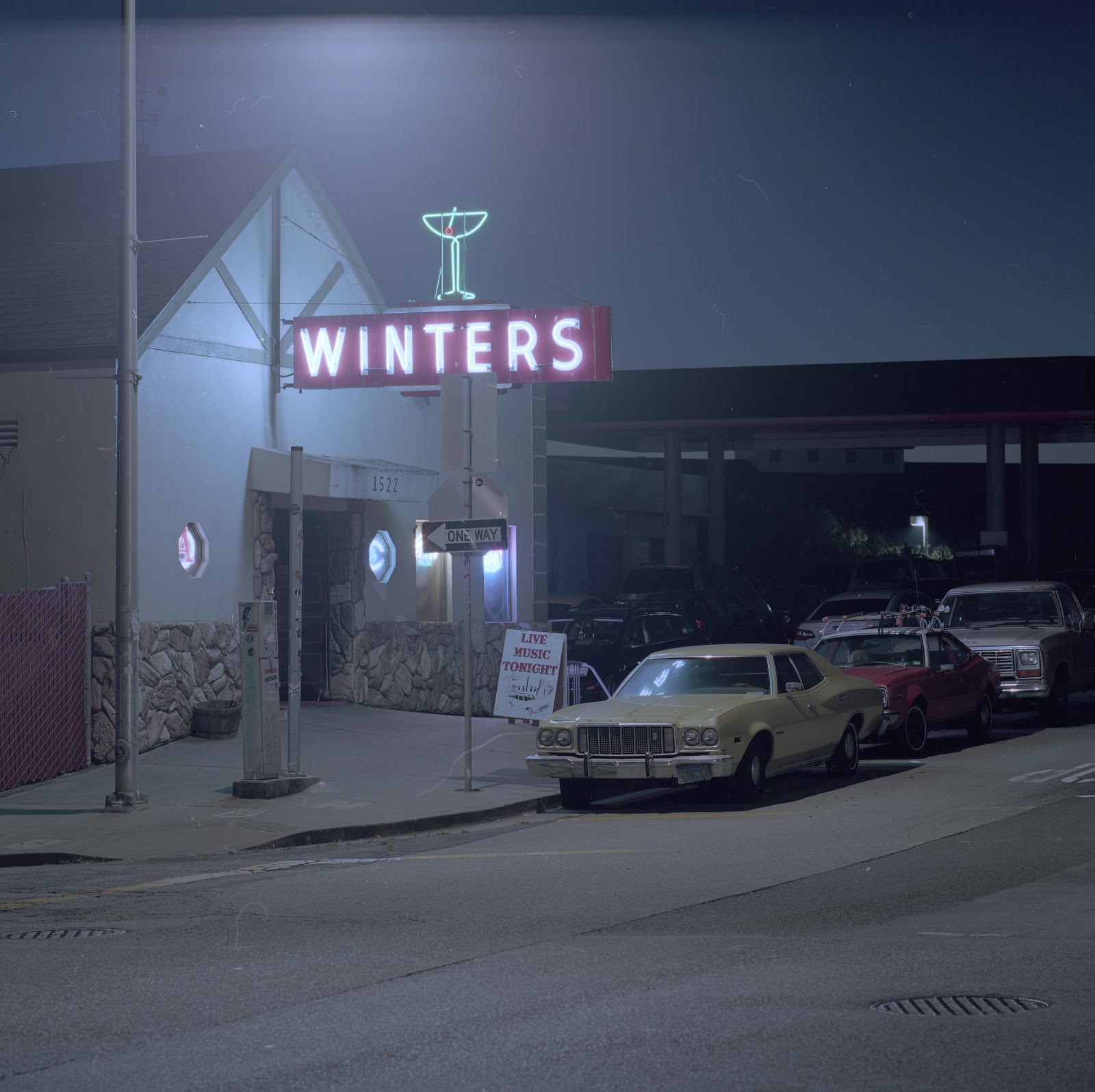
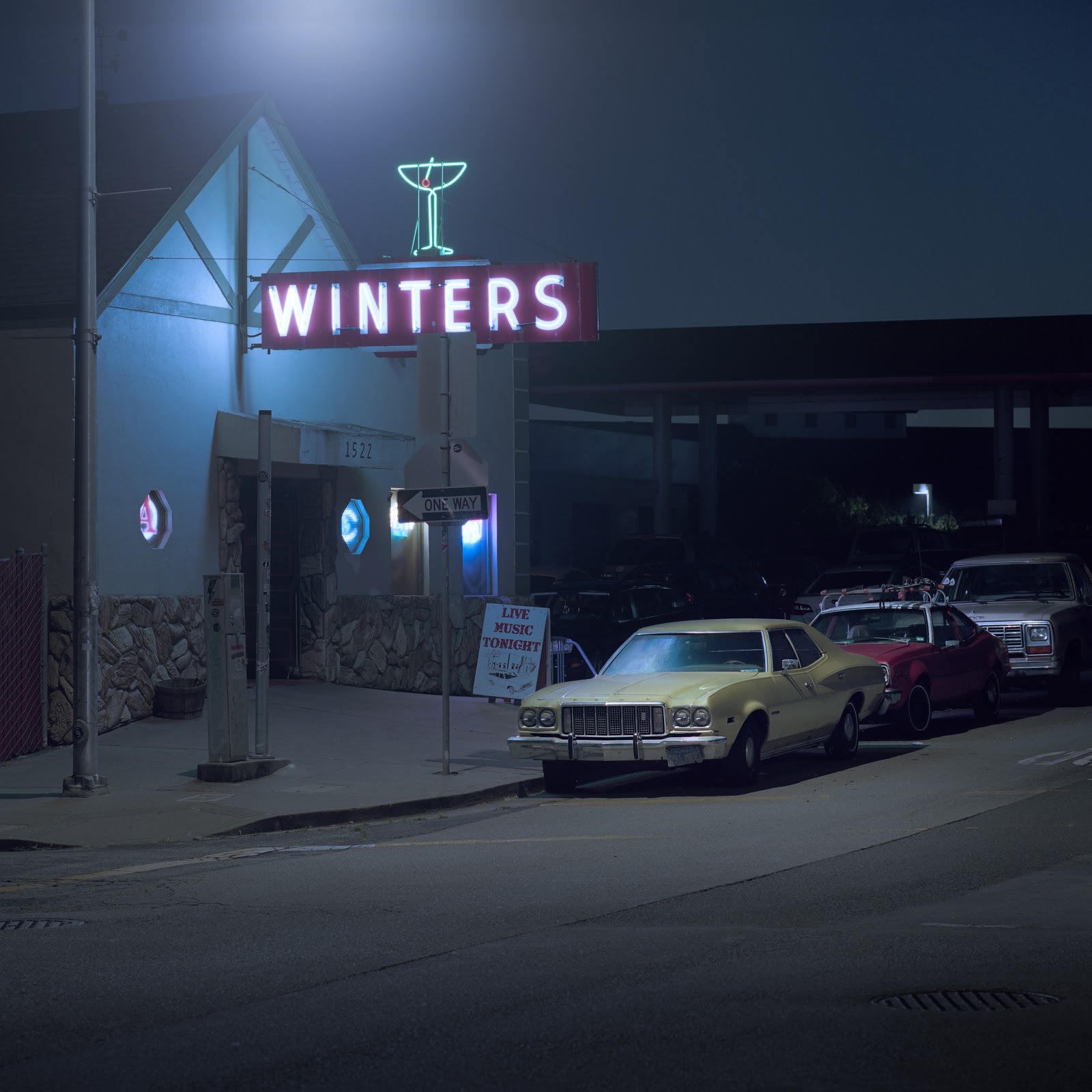
The result is a cinematic image that captures a dark, eerie mood – and seems as though it could have been taken at almost any point over the past 50 years.
“This piece in particular has a quiet, minimalist, dimly-lit quality that puts the viewer teetering between feeling calm or maybe slightly uncomfortable,” Chris says. “I like that balance.”
Common Questions About Christopher Soukup
Who is Christopher Soukup? A San Francisco photographer, originally from western Pennsylvania, whose images have a cinematic quality, especially his dark and moody night shots. He says he looks for scenes that remind him of home: images that show a feeling, a slight interpretation of reality. More of his work is on his website, Flickr and Instagram.
What camera did Christopher Soukup use for this photo? A Hasselblad 500 C/M medium format film camera with a 150mm Zeiss lens, loaded with Kodak Portra 160. He had shot the same bar before with a digital camera. The Hasselblad limited him to a square frame, which he says suited the scene because it let him isolate the sign, the bar and the three vintage cars.
How did Christopher Soukup shoot this night photo? As a long exposure on a tripod, like almost all of his night shots: f/8 for 30 to 45 seconds. The intersection is fairly busy and includes a highway off-ramp, so he waited a fair while and took several shots to avoid light trails or people entering the scene. He kept the light pole and its soft glow, but didn’t shoot wider, which would have brought the light itself into the frame and pulled attention from the sign and the cars.
How does Christopher Soukup expose film at night? For the shadows. He says a good night shot almost always depends on giving the dark areas of a high-contrast scene enough light. Negative film is hard to overexpose at night, because of reciprocity failure, and very easy to underexpose. On digital, he says, he uses the reverse strategy.
More of Chris Soukup’s photography can be seen on his website. You can also keep up with his latest work on his Flickr and Instagram pages.