
Inside the Bag (and Mind) of Surrealist Photographer Erik Johansson
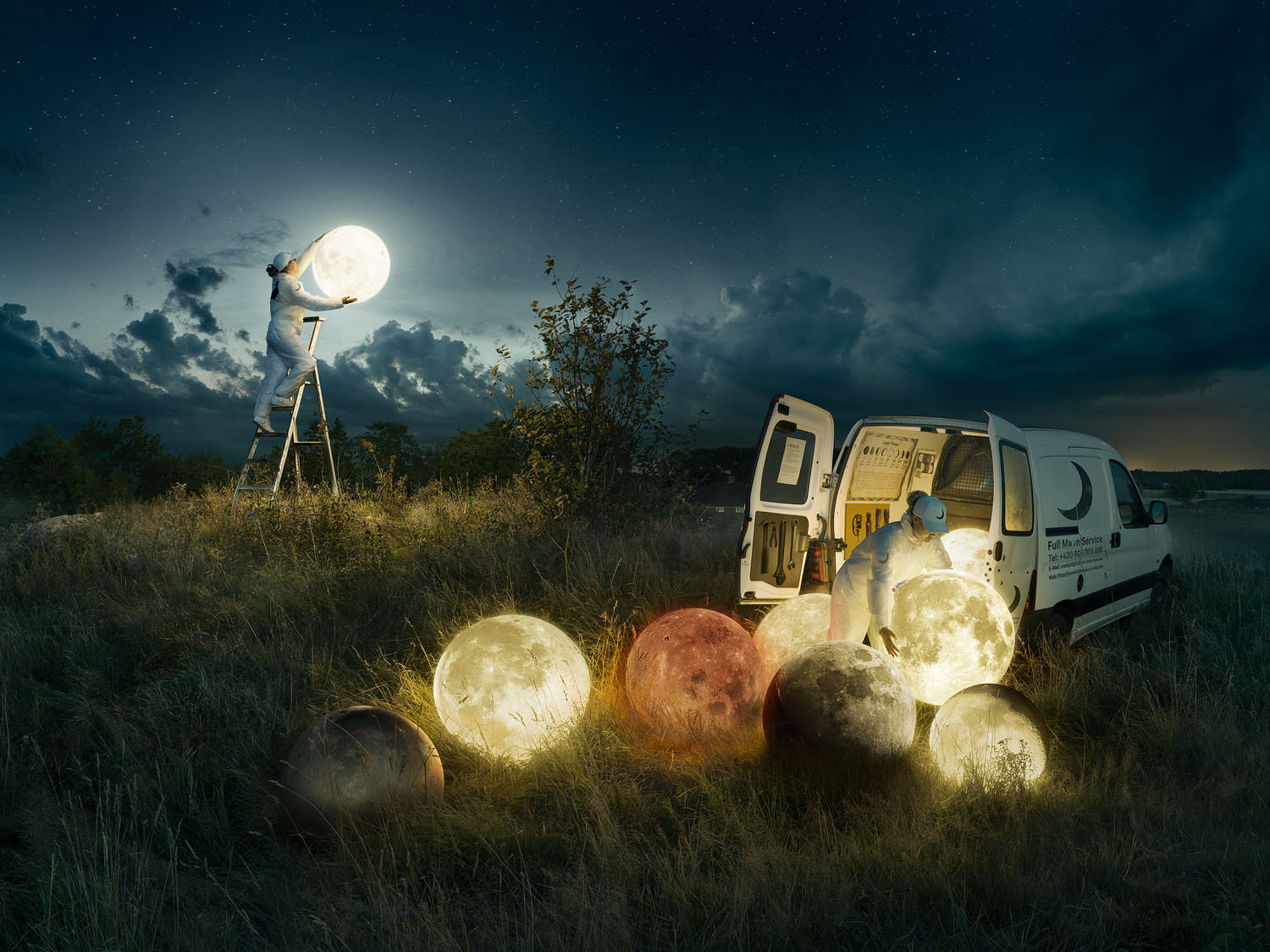
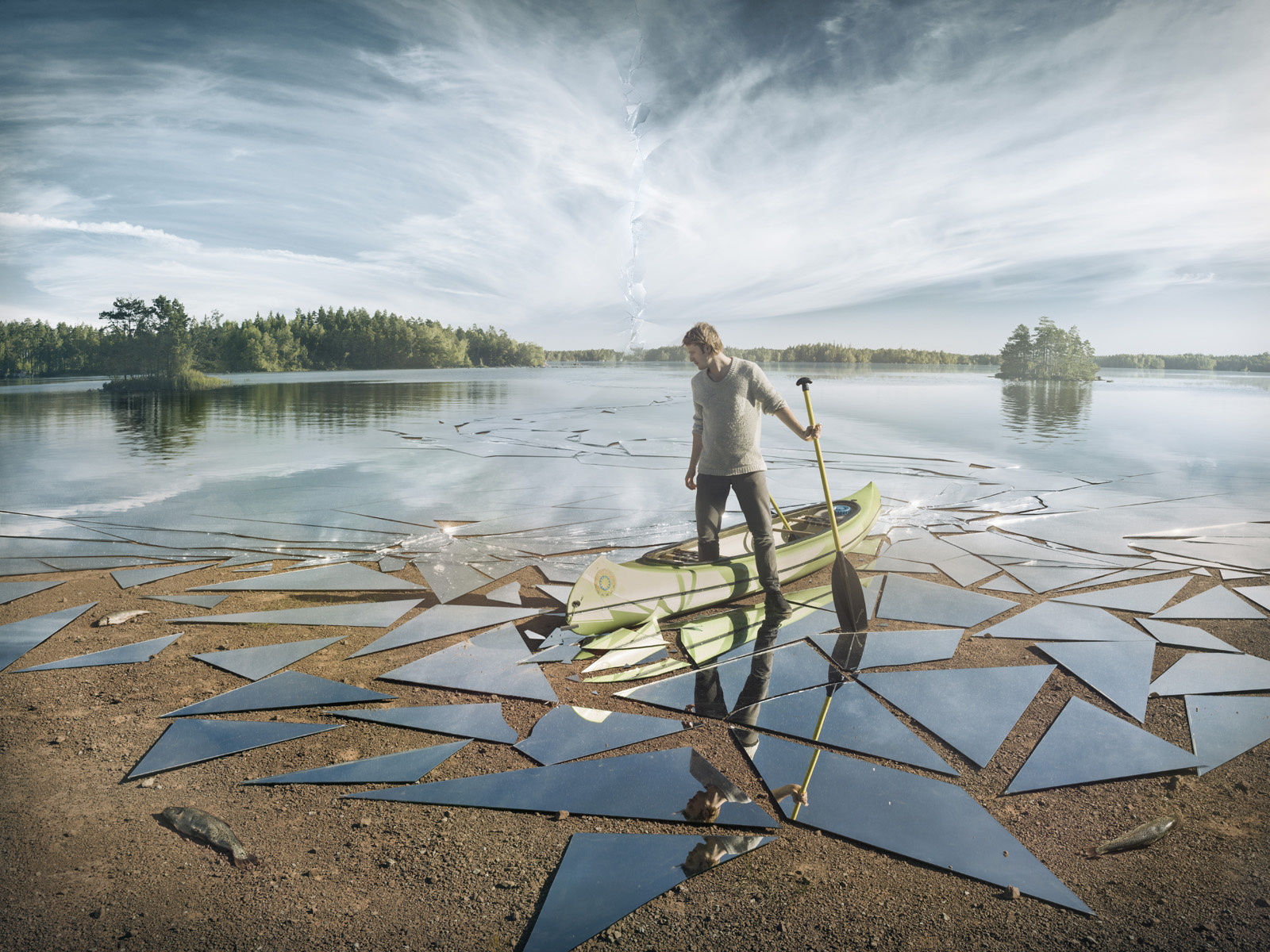
Looking at a photograph created by Swedish visual artist Erik Johansson is like looking into another dimension.
Originally published October 4, 2017, by Jessi Gowan. Updated October 16, 2026, by PHLEARN Staff: We set out the gear of surrealist photographer Erik Johansson as kit cards with a summary table and added a few common questions; Erik’s words are unchanged.
Unlike many other photographers, the goal of Erik’s work isn’t to simply capture moments and memories – it’s to capture ideas. Using his camera and his endless imagination, Erik combines his photographs to create impossible scenes with a heightened sense of realism. As he describes it, his pieces showcase unlikely places made to look as though they could actually exist.

Can you tell us how you go about deciding which gear is essential to your work?
Since I work with combining a lot of images, the realism has always been very important. I think the realism often is in the details, and therefore a camera that can capture all those details is very important.
I think the realism often is in the details, and therefore a camera that can capture all those details is very important.
Erik Johansson
What Surrealist Photographer Erik Johansson Carries
| What’s in the bag (2017) | |
|---|---|
| Camera | Hasselblad H6D-50c |
| Lenses | Hasselblad H 24mm, 50mm, 120mm, 210mm and 35-90mm |
| Lighting | Profoto A1, B1X and Pro7b |
| Bag | F-Stop Tilopa |
| Extras | iWorkCase |
Camera
Store links in this article are affiliate links, so PHLEARN may earn a commission. As an Amazon Associate, PHLEARN earns from qualifying purchases.
Camera

50MP 43.8 x 32.9mm CMOS Sensor, 16-Bit Color, 14-Stop Dynamic Range
Erik: This is the camera I use for every project. I love not just the resolution and details, but also the way it captures colors, and the depth of the medium format RAW files. It’s not the fastest camera, but it fits the way I work perfectly – slow and well-planned.
Lenses
Lenses

Aperture Range: f/4.8 to f/32, Improved Shutter Unit, 1/2000 Sec Sync

Aperture Range: f/3.5 to f/32, Improved Shutter Unit, 1/2000 Sec Sync

Aperture Range: f/4 to f/45, Life-Size 1:1 Maximum Magnification

Aperture Range: f/4 to f/45, Improved Shutter Unit, 1/2000 Sec Sync

Aperture Range: f/4-5.6 to 32, Improved Shutter Unit, 1/2000 Sec. Sync
Hasselblad H lenses – 24mm, 50mm, 120mm, 210mm and 35-90mm: I use the 35-90mm zoom lens the most, as it’s pretty all-around but at the same time very sharp. Since I usually plan my shoots long in advance, I usually know which focal length I need for any specific image.

Lighting
Lighting

Li-Ion Battery: 350 Full Power Flashes, High Speed Sync, LED Modeling Light

Profoto B1X 500 AirTTL Flash Head with 500Ws adjustable in 1/10 f-stop increments over a 9 f-stop power range
Profoto A1, B1X and Pro7b: Great on-location, powerful lights with a wide variation of light modifiers. I love the Telezoom and Magnum reflectors for throwing light over long distances, and in that way, create a sun-like feel to the light.

Bag and Extras
F-Stop Tilopa: Great big customizable bag, where you buy the bag and then buy the inside compartments based on your needs. In my opinion, it’s a lot more durable and practical than a lot of other bags out there.
Miscellaneous Items
iWorkCase: Great case for shooting with the computer on location.
Although Erik works on commissioned projects with clients from around the world – including Google, Microsoft, National Geographic, Adobe, Volvo, and Heineken – the amount of work that goes into each of his images means he can only accomplish between six to eight new pieces for his personal collection each year. To further explore Erik’s version of reality, check out his portfolio on Instagram, Facebook, or his website.
Common Questions About Erik Johansson’s Photos
How are Erik Johansson’s photographs different from most others? His goal as a surrealist photographer is to capture ideas rather than moments and memories. He combines his photographs into impossible scenes with a heightened sense of realism: unlikely places made to look as though they could actually exist.
What camera does surrealist photographer Erik Johansson use? A Hasselblad H6D-50c medium format camera, for every project. Because he combines a lot of images, he says the realism is often in the details, so he needs a camera that captures them. It is not the fastest camera, but it suits the slow, well-planned way he works. His most used lens is the Hasselblad HCD 35-90mm zoom.
How does he light his scenes? With Profoto lights on location: the A1, the B1X and the Pro7b. He likes the Telezoom and Magnum reflectors for throwing light over long distances, which gives the light a sun-like feel.
How many new pieces does Erik make a year? When this article was written in 2017, between six and eight new pieces for his personal collection each year, alongside commissioned work for clients such as Google, National Geographic and Adobe. Each image takes that much work.
And for more on his creative process, check out our Erik Johansson interview.



Join the conversation