

Randal Ford’s Gear for Creating Striking Portraits of the Animal Kingdom
The devil is in the details for Austin-based photographer Randal Ford. Having worked as a photographer for more than 10 years now, he’s well-versed in the art of collaborating with his subjects to achieve the best results.
Originally published July 19, 2019, by Jessi Gowan. Updated October 16, 2026, by PHLEARN Staff: We added kit cards, a numbers strip, photo pairs and a few common questions about Randal Ford; his words are unchanged apart from one small typo fix.
But with his primary subjects being animals, the language barrier can make communication a bit of a challenge. Randal’s unique ability to quickly pick up on an animal’s personality and showcase it in simple, timeless style has garnered him worldwide acclaim.
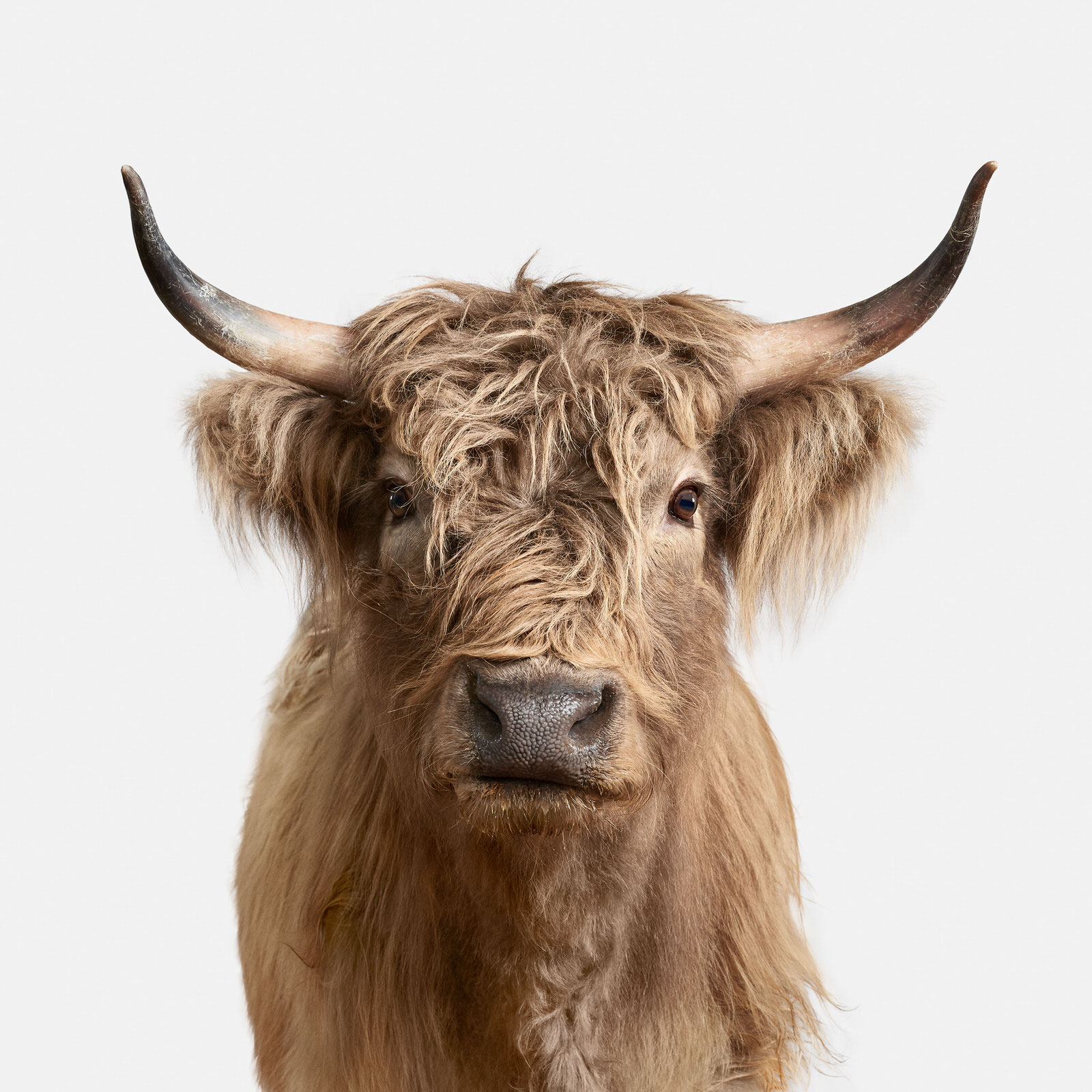
His photographs of animals go beyond the typical documentary-style captures – Randal’s portraits are “conscious compositions and anthropomorphisms of the animals aimed at connecting with you.” A collection of these emotive captures has been compiled into a coffee table book, The Animal Kingdom, which was published in 2018 by Rizzoli New York.

“My fine art photography is an exploration of our deep-rooted emotional connection with animals through the lens of portraiture,” he says. “I photograph portraits of all kinds of animals in studio. This deconstructed form of portraiture is intended to give us a glimpse into the soul of an animal. But what I often find is what we see is a naked glimpse at the most mystical and elusive breed of all: ourselves.”
This deconstructed form of portraiture is intended to give us a glimpse into the soul of an animal.
Randal Ford
But it requires more than just a good rapport with his beautiful subjects for Randal to create the perfect portrait. Due to the stripped-down studio style of his shoots, and the fast-paced nature of working with animals, it’s important to have the right gear for the job.
- CameraNikon D850
- LensSigma 50mm f/1.4 Art
- LightBroncolor MOVE packs

How Randal Ford Chooses His Gear
How do you go about deciding which gear is essential to your work?
My studio work requires absolute precision.
My studio work requires absolute precision.
Randal Ford
And that need for precision and detail is the driving factor in my choice for equipment. Because I am photographing animals, I also need equipment that can adapt to fast-moving subjects. Which means I need lenses that focus fast and accurately and strobes that have a very short flash duration to freeze the subjects.
Camera
Store links in this article are affiliate links, so PHLEARN may earn a commission. As an Amazon Associate, PHLEARN earns from qualifying purchases.
Camera

45.7MP FX-Format BSI CMOS Sensor, 3.2″ 2.36m-Dot Tilting Touchscreen LCD

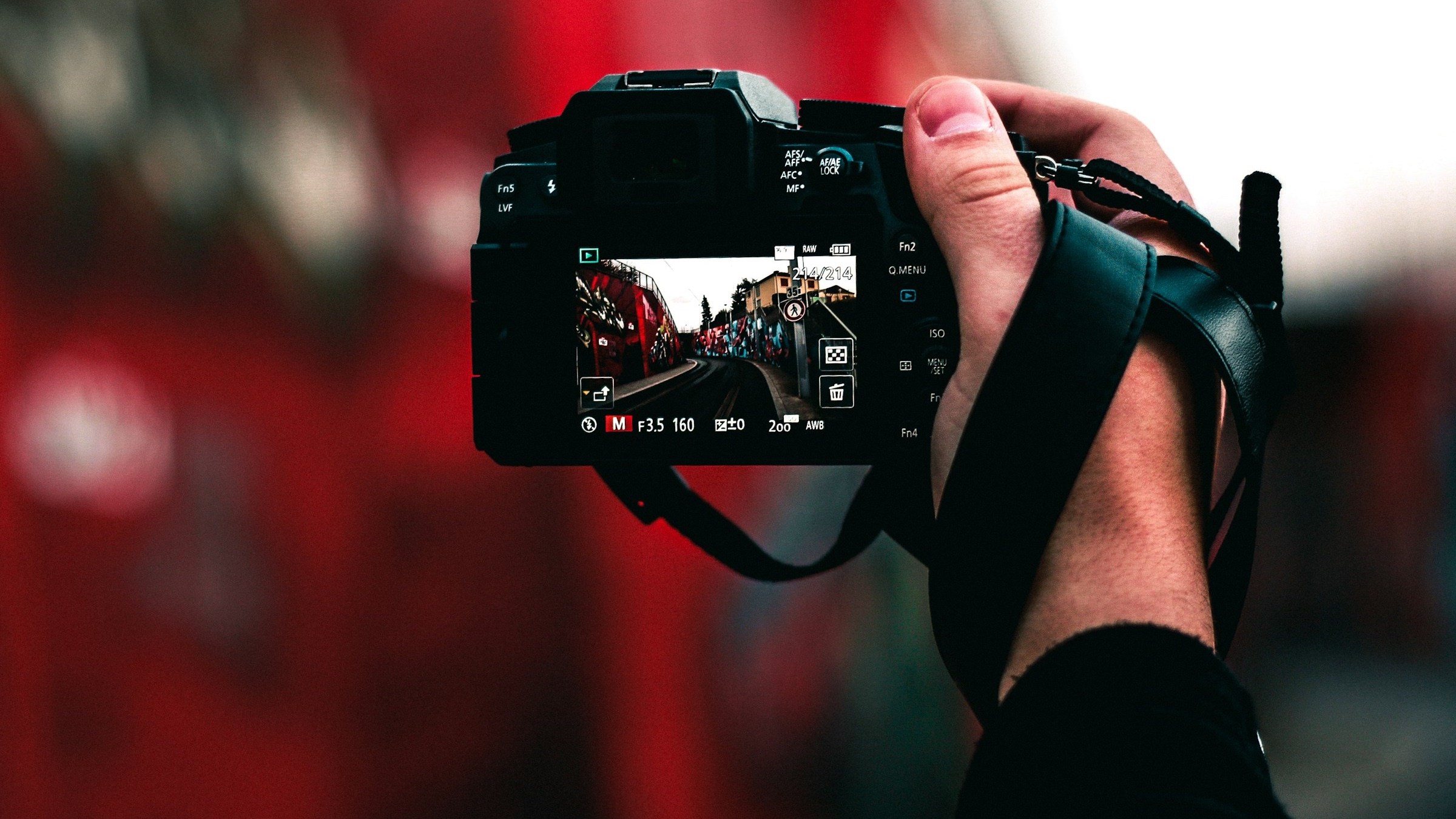
I have consistently been impressed with the files from the Nikon D810, and now, the D850. My main camera, the Nikon D850 – coupled with my Sigma Art lenses and digital processing in Capture One software – produces images with medium-format detail that holds up on fine art prints as large as six feet. (The D850 is also the main camera in Roie Galitz’s wildlife photography gear.)
Lenses
Lenses

Aperture Range: f/1.4 to f/16, Hyper Sonic AF Motor, Rounded Nine-Blade Diaphragm
Randal: I am a huge fan of Sigma Art lenses. I actually don’t own Nikon lenses anymore. I use this lens, which I believe is one of the sharpest lenses out there, for most of my animal portraiture. I love how well-built the Art lenses are but, most importantly, I like the way they render the files, detail, and color. They have a crisp, micro-contrast look that fits my aesthetics really well.
I hope to test the Sigma Art 85mm next, as some of my animal subjects like horses photograph better with a longer focal length. I typically shoot 90 percent of my work between 35mm and 85mm – most in the 50mm range.
10+
years as a photographer
6 ft
fine art prints his D850 files hold up at
90%
of his work shot between 35mm and 85mm

Lighting
Lighting

Move 1200 L Battery-Powered Pack, Weatherproof Power Pack Soft Case
For strobes, the most important factors are fast recycling and short flash duration. And lightweight, for travel when needed. I personally own and utilize Broncolor MOVE packs and then rent Broncolor studio packs for additional power as needed.
The Broncolor MOVE packs have an incredibly short flash duration which allows me to freeze animals in movement with precision. The MOVE packs are also great because I can set up a mobile studio without having to rely on shoddy location power sources.

Bag and Tethering
Bag
I’m currently using a Pelican 1535 Air carry-on case for my camera gear. What I love most about this is the incorporation of the TrekPak dividers, which allow me to customize the case exactly to fit my needs. And to dampen my OCD tendencies, ha!, I also have a Pelican Air case for my LG 4K monitor.
Miscellaneous Items
Another tool I utilize is shooting to a computer. I rarely shoot to card. I am tethered to a computer using Capture One software so I can be precise with my exposures. I want to get as much perfected in camera as possible, and shooting tethered to Capture One allows me to do that quickly and efficiently.
I want to get as much perfected in camera as possible, and shooting tethered to Capture One allows me to do that quickly and efficiently.
Randal Ford
When space and time allow, I connect my Macbook Pro to an LG 4K monitor. The monitor isn’t perfect but it’s 4K, light, and inexpensive. I also use cables from StarTech.com that I find are well-built and work consistently.

On top of Randal’s recently-published book of portraits, his work has been included in a wide variety of publications around the globe – including Time Magazine, Texas Monthly, and Communication Arts. He’s done commissioned pieces for brands like Anheuser Busch, Comcast, Frito Lay, LL Bean, Pepsi, Pfizer, Verizon, and Yeti, and he has consistently been named one of the world’s top photographers.
Common Questions About Randal Ford
Who is Randal Ford? A photographer based in Austin, Texas, known for studio portraits of animals. His animal portraits were collected in the book The Animal Kingdom, published in 2018 by Rizzoli New York. When this article ran in 2019, his work had appeared in Time Magazine, Texas Monthly and Communication Arts, and he had shot commissions for brands such as Pepsi, Verizon and Yeti.
How does Randal Ford photograph animals in the studio? With a stripped-down studio setup and gear chosen for precision and speed. He needs lenses that focus fast and accurately, and strobes with a very short flash duration to freeze moving animals. He shoots tethered to a computer running Capture One, so he can get his exposures right in camera.
What camera and lens does he use? His main camera is a Nikon D850, after years with the D810, paired with the Sigma 50mm f/1.4 Art lens for most of his animal portraiture. He shoots about 90 percent of his work between 35mm and 85mm, and he says the files hold up on fine art prints as large as six feet.
What is Randal Ford’s book The Animal Kingdom about? It collects his studio portraits of animals. In this article, Randal describes his fine art photography as an exploration of our deep emotional connection with animals, made through portraiture, and says these portraits often end up showing us something about ourselves.
To see more of his work, visit Randal on Instagram at @randalford or @mrfordskingdom, check out his website, or pick up a copy of his book.


Join the conversation