How Alfredo Oliva Channeled Edward Hopper to Capture “The Woman in the Window”
Spanish photographer Alfredo Oliva doesn’t typically take photographs in Seville, the city where he lives. Instead, most of his images are captured on vacation, in places like Romania, Ecuador, and Iceland.
Originally published July 25, 2019, by Jessi Gowan. Updated October 16, 2026, by PHLEARN Staff: added The Shot box, section headings, a before and after pair and a few common questions; the story is unchanged.
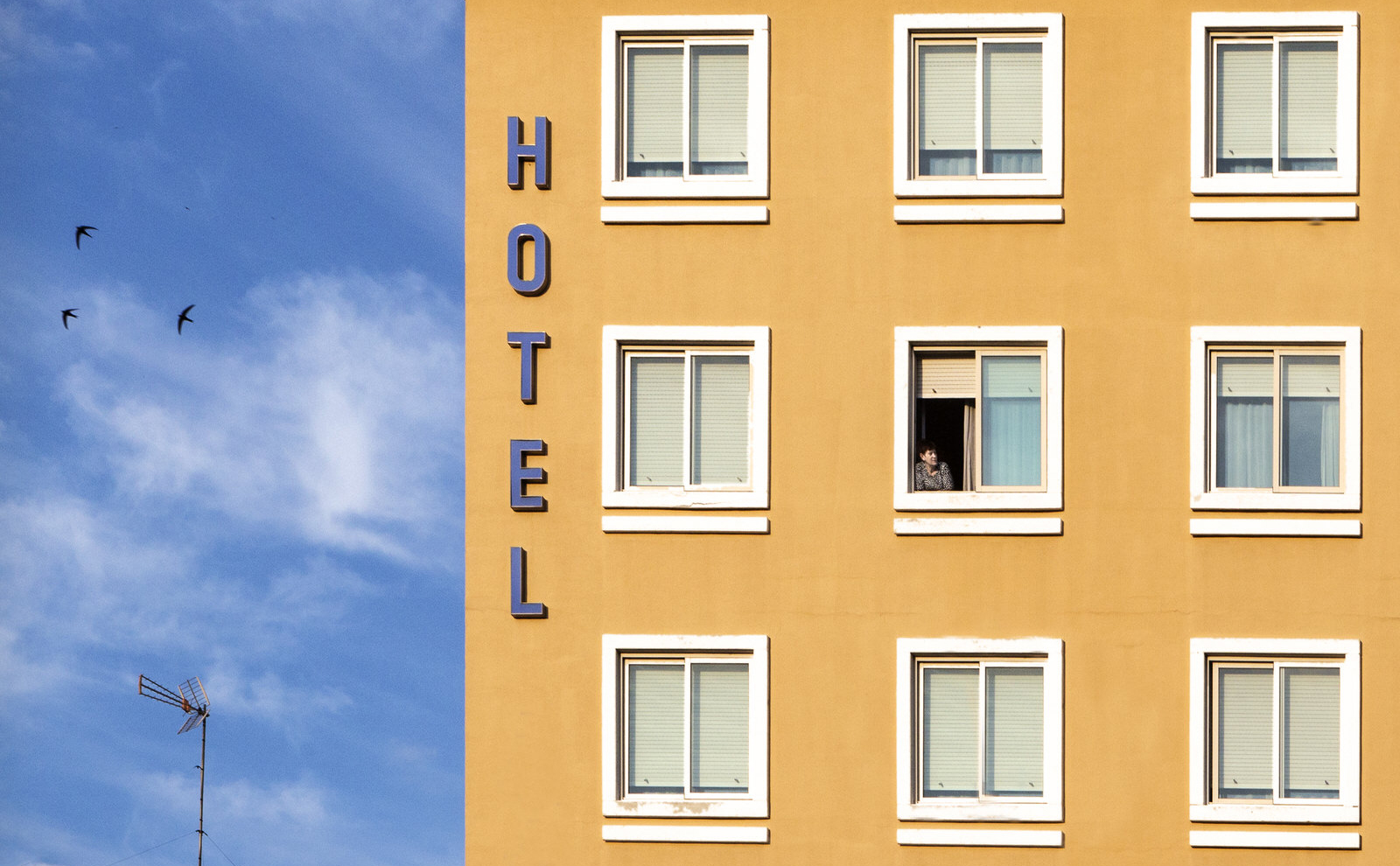
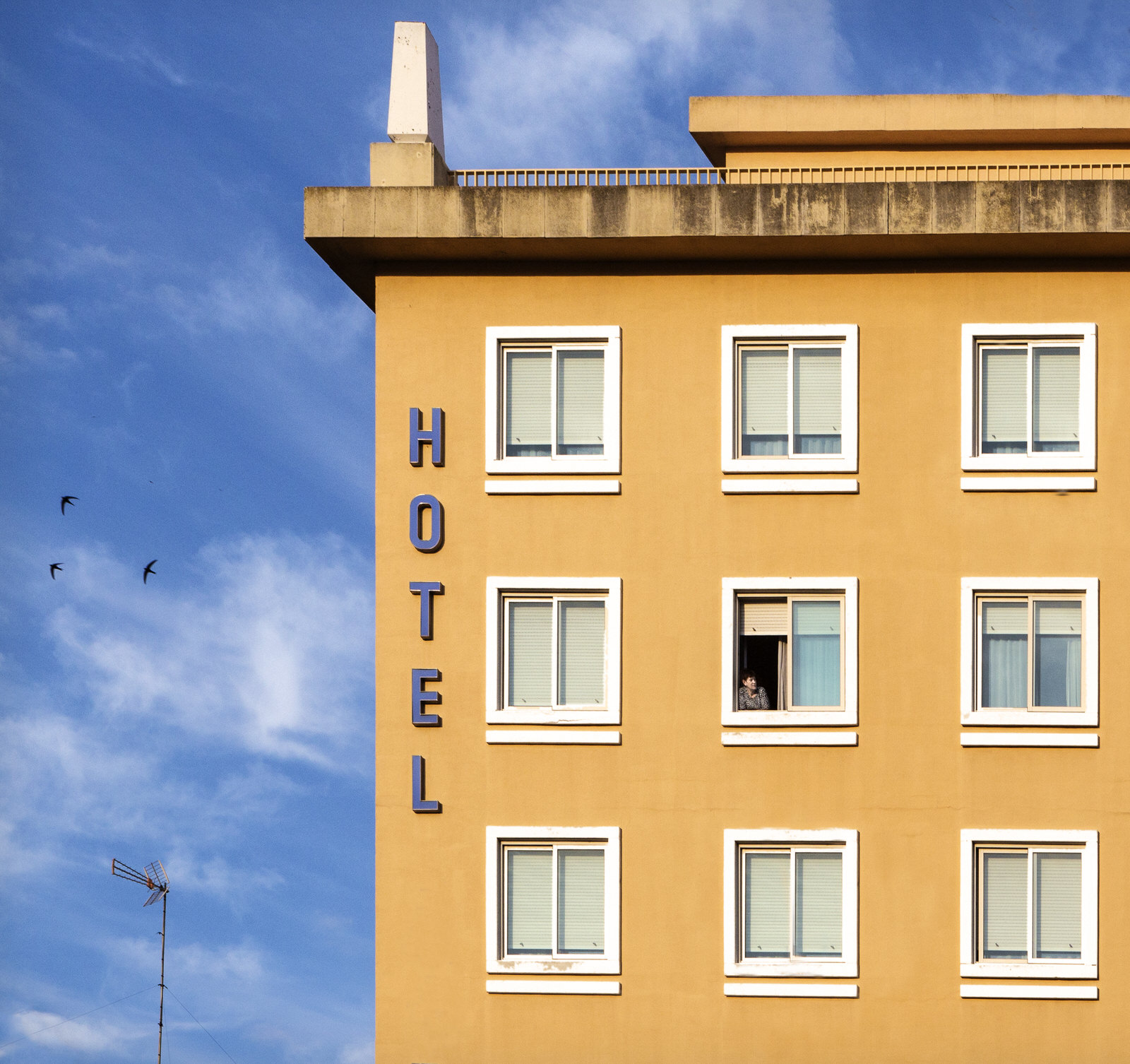
Alfredo Oliva’s photo of a woman alone at a hotel window in Seville is his homage to Edward Hopper. Here he explains how he spotted the scene, the camera settings he used and how he edited it.
An Edward Hopper Scene in Seville
But one fortunate day, he brought his camera along with him on an afternoon walk in his hometown – just in case he saw something interesting. “I remember it was a beautiful spring day in Seville,” he says. “While I was walking the downtown, I saw a woman watching the street from the window of her hotel room.”
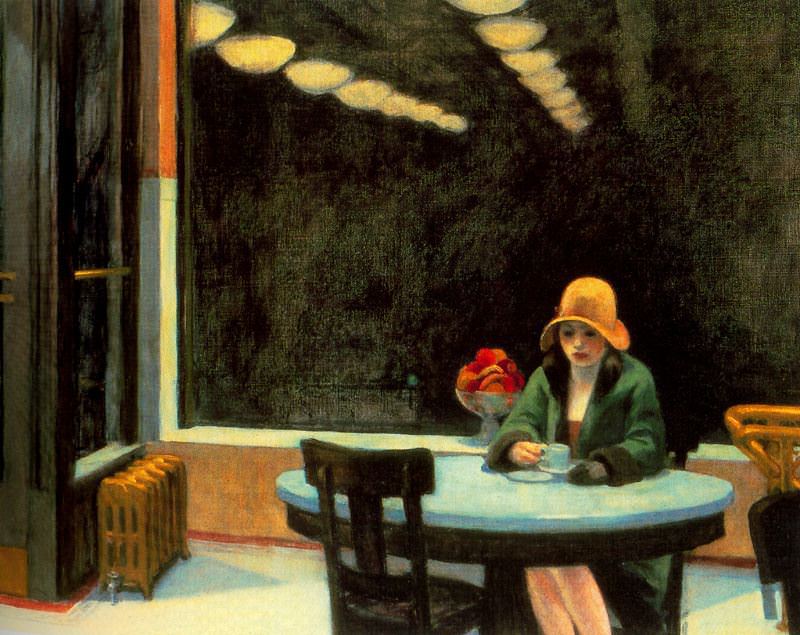
The scene caught his eye immediately, calling to mind some of the artworks he says have inspired and influenced his own style. “It suggested, to me, a certain sadness and melancholy,” says Alfredo. “A lonely woman, alone in her room – it reminded me of some of Edward Hopper’s paintings.”
A lonely woman, alone in her room – it reminded me of some of Edward Hopper’s paintings.
Alfredo Oliva
Additionally, he says, he was struck by the graphic colors and lines created by the building and its surrounding environment, which he was able to really focus on once he pulled out his camera and started shooting.
“I really liked the contrast between the orange color of the façade and the blue sky,” he says. “I was also interested in the geometric repetition of the windows in the façade that created a certain minimalist rhythm.”
Camera and Settings
- CameraCanon 6D Mark II
- LensCanon EF 24-70mm f/2.8L II at 52mm
- Settings1/600 s, f/11, ISO 400
- EditACR and Photoshop, square crop
Store links in this article are affiliate links, so PHLEARN may earn a commission. As an Amazon Associate, PHLEARN earns from qualifying purchases.
Camera and Lens
Aperture Range: f/2.8 to f/22, Ultrasonic Motor AF System, Weather-Sealed Construction
Using his Canon 6D with a 24-70mm L, Alfredo got to work capturing the image as he’d pictured it in his mind. With plenty of light, he shot at a shutter speed of 1/600, an aperture of f/11, and his ISO set to 400, keeping a focal length of 52mm.
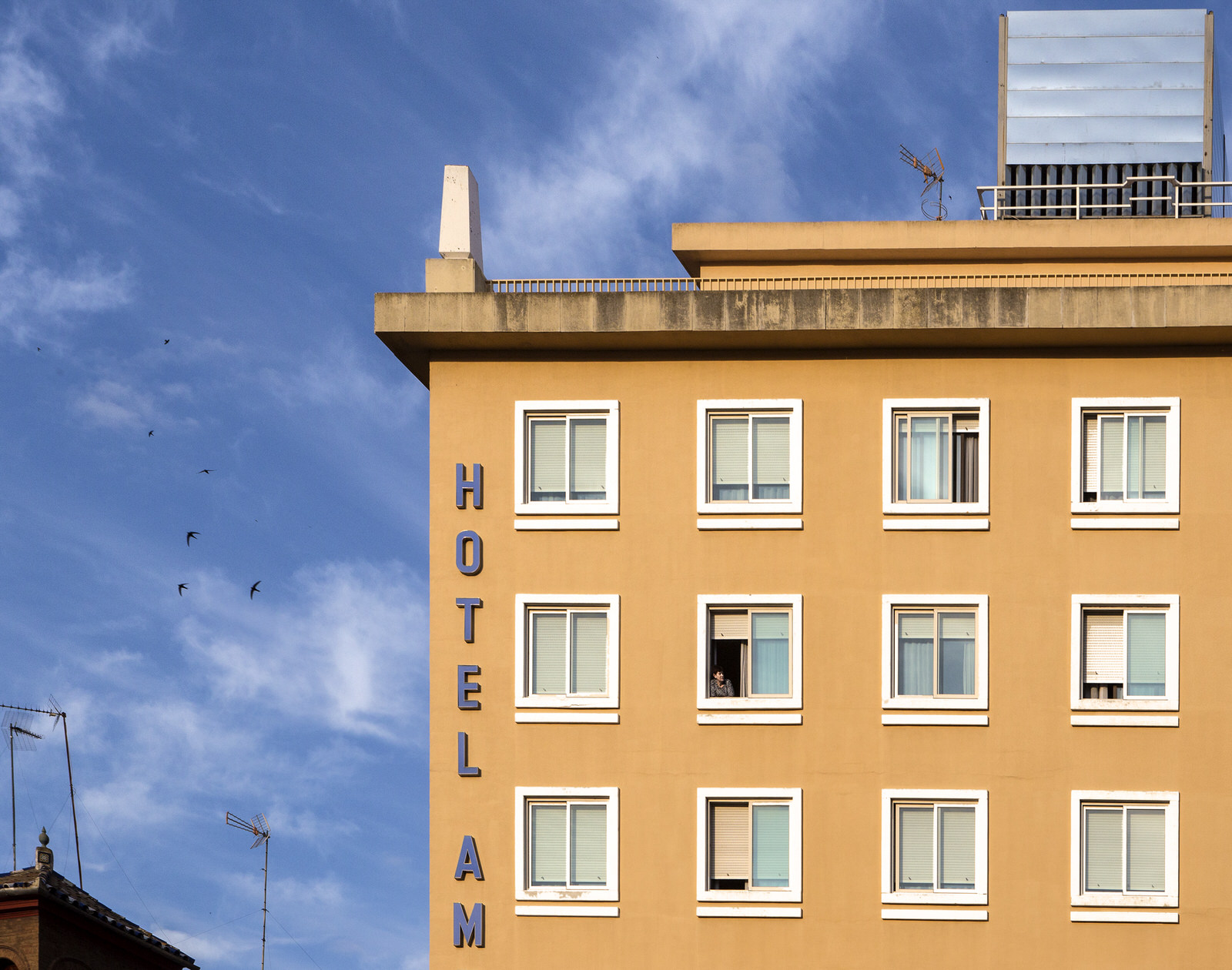
“I knew that when taking the photo from below in a low angle, the vertical lines of the façade would appear inclined,” he explains. “I decided to make a broad frame that would allow me to correct the perspective and crop the photo during post-processing.”
He was careful, however, to ensure his composition included a few key features – on top of his lonely subject and her well-designed environment.
“I was lucky to capture in the frame three swallows flying over a television antenna, which added interest to the scene,” Alfredo says. “I also liked the word ‘hotel’ on the building’s façade – the viewer has no doubt about the context in which the woman was photographed.”
Editing in Photoshop
From there, Alfredo used ACR and Adobe Photoshop to process the photo, but admitted the workflow was relatively uncomplicated. Other than bumping up the saturation, cleaning up a few distractions in the lower left corner, and fixing the letters in the façade with the clone-stamp tool, all he did to enhance his out-of-the-camera shot was choose an interesting aspect ratio.
“I decided to crop the image in a square format because I thought it would be a nice frame – there would be an interesting similarity between the squares of the windows and the square of the format of the photo,” says Alfredo. “This similarity of forms is always interesting, as the psychology of Gestalt pointed out.”
Psychology and Photography
Alfredo’s resulting shot is not only a fitting homage to an artist who has inspired him for years, but an opportunity to play with the relationship between psychology and photography – a subject that Alfredo, as a professor of Developmental Psychology, is particularly passionate about.
“I think psychology can make interesting contributions to photography on aspects related to composition and aesthetics,” he says, noting he teaches about this exact topic at Seville University. “I am drawn to poetic images that are ambiguous and suggestive – like the image of the lonely woman in the hotel window.”
I am drawn to poetic images that are ambiguous and suggestive – like the image of the lonely woman in the hotel window.
Alfredo Oliva
Common Questions About the Edward Hopper Photo
What does this photo have to do with Edward Hopper? Alfredo saw a woman watching the street from her hotel room window. He says the scene suggested sadness and melancholy, a lonely woman alone in her room, and reminded him of some of Edward Hopper’s paintings, such as Automat, shown above. The photo is his homage to an artist who has inspired him for years.
How do you take an Edward Hopper style photo? Here is what Alfredo did: he looked for a lone figure that suggests a mood, strong color contrast (an orange façade against a blue sky) and the repeating rhythm of windows. He framed wide from a low angle so he could correct the perspective later, and kept details that set the scene: three swallows over a TV antenna and the word “hotel” on the building.
What camera settings did Alfredo Oliva use? A Canon 6D with a 24-70mm L lens at 52mm, 1/600 sec, f/11 and ISO 400, in plenty of afternoon light.
How was the photo edited? In ACR and Photoshop. He raised the saturation, cleaned up distractions in the lower left corner, fixed the letters on the façade with the Clone Stamp tool, and cropped it square, so the square windows echo the square frame.