My Year with the Fujifilm X-H1
In this multi-part set of camera reviews, I’m showcasing my three main cameras with the idea that each of them (a full-frame DSLR, a full-frame rangefinder and a cropped sensor rangefinder) all have distinct purposes in the arsenal of a photographer.
Originally published January 10, 2019, by Josh S. Rose. Updated October 16, 2026, by PHLEARN Staff: Josh’s year of shooting with the Fujifilm X-H1, month by month, now with photo pairs and a few common questions answered from his review; his words are unchanged.
Part 2 of 3 Camera Reviews
I’m hoping this offers a unique way of reviewing three of today’s top cameras in a set of real-world shoots, spanning both personal and professional assignments.
For part one on my Nikon D850, click here.
Why the Fujifilm X-H1 Goes Everywhere
Today I jump to my second most-used camera, the Fujifilm X-H1 – a cropped sensor rangefinder – that accompanies me nearly everywhere I go, no matter what my main camera is or what the occasion. While it remains, technically, the lower quality image of my three cameras, this means almost nothing in the real world. It is fully capable of shooting professional quality images (and video) in almost any scenario, making it, actually, probably the most versatile and useful camera I own.
I upgraded from the X-T2 (a beloved camera, which I gave to my daughter for her 14th birthday) to the X-H1 in May, 2018. So, the journey begins there:
3
main cameras in this review series
30+
workers he interviewed on the America at Work road trip
10mm
X-H1 lens for the dance and L.A. shots (15mm equivalent)
May: Surf Safari
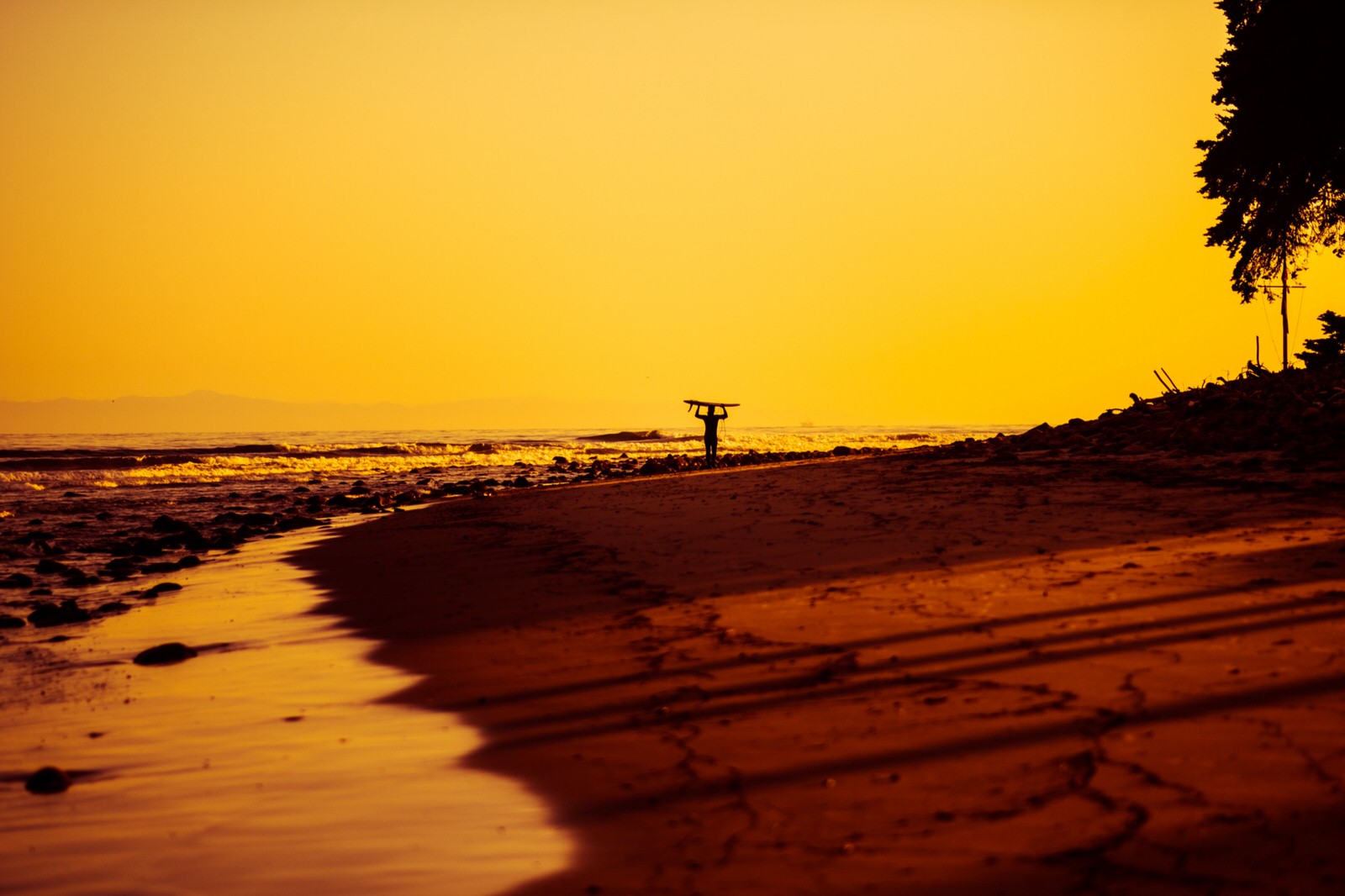
I’ve been shooting with the Fujifilm X-Series since it started, as it’s always been a great, fun, easy camera that is easy to travel with and can withstand a lot of abuse. In May, one of my closest friends and I both had a little time on our hands and we decided to take a road trip up the coast. The Fujifilm was an easy choice for the small adventure, as it was to be a fun and relaxing trip without pressures or demands.
When I hold my full-frame cameras I go into a different kind of mode, so having this small body with a little bag of little lenses was just the thing. I took the opportunity to upgrade to the X-H1 for its video capabilities and all-new in-camera stabilization.
First stop was a little surf spot in Malibu.
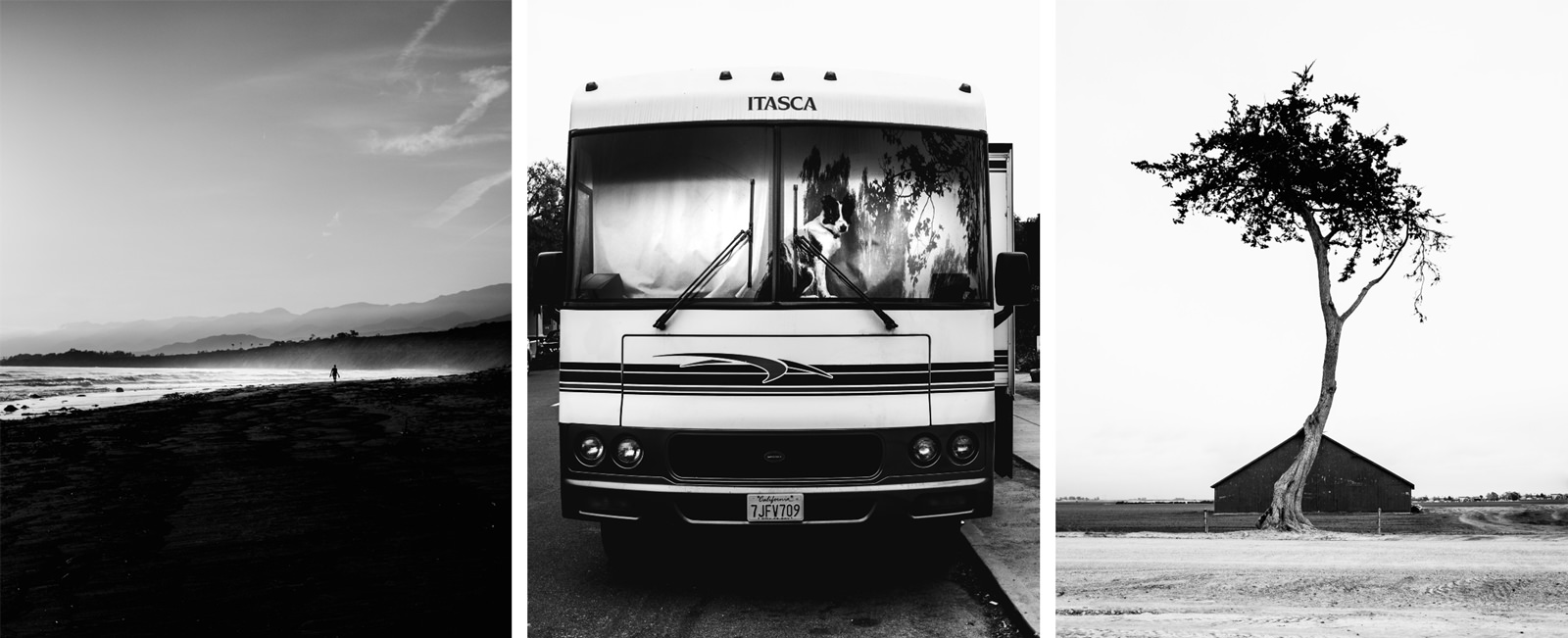
When traveling, I feel more free to wander and shoot. The results are usually a bit random, but often end up as some of my favorite images of the year, as I can simply take in the sights of the world and enjoy whatever comes across my eyeballs. The Fujifilm is an ideal travel companion for this kind of shooting, as I rarely do much more to my travel images other than convert to black and white or do some simple color enhancements.
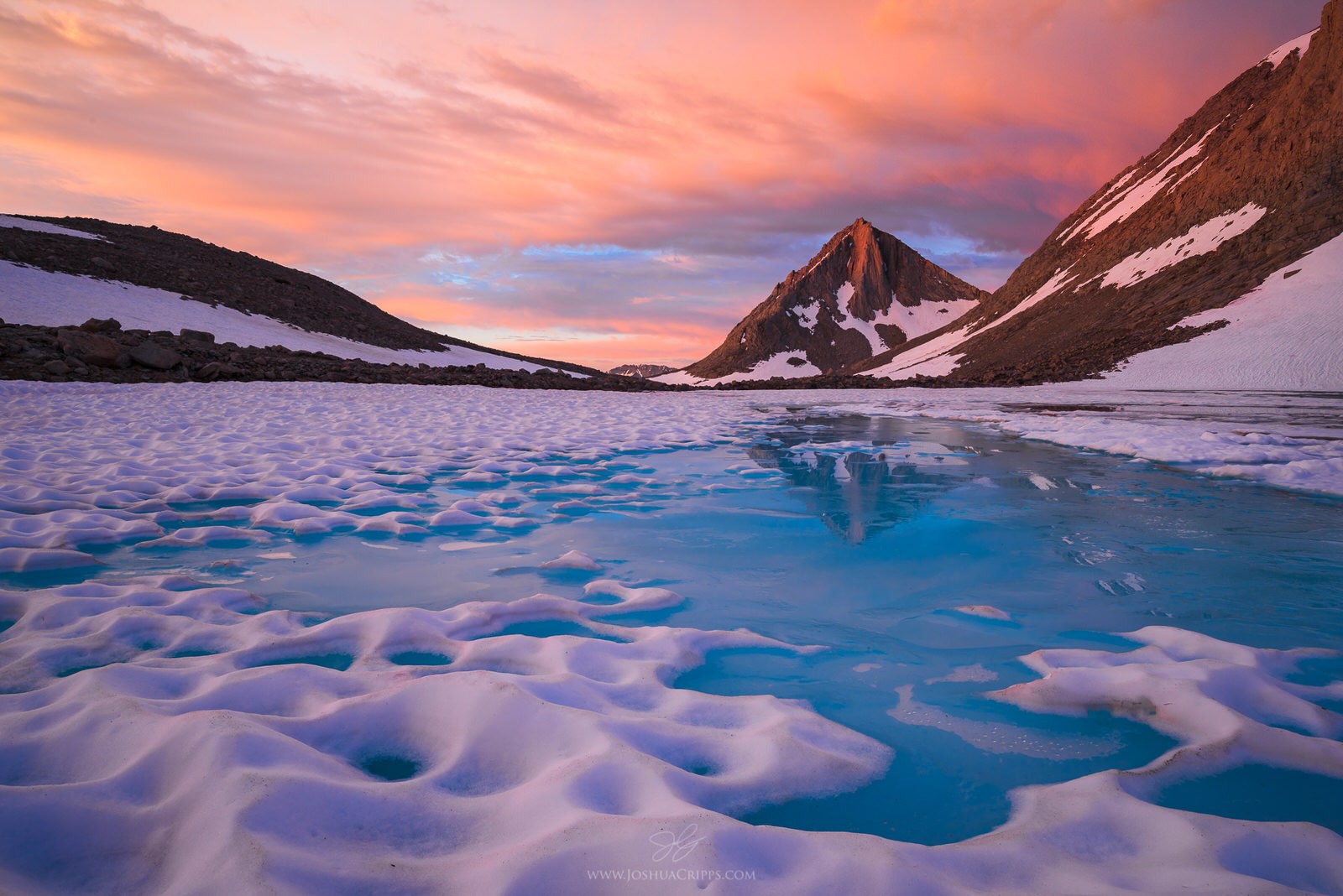
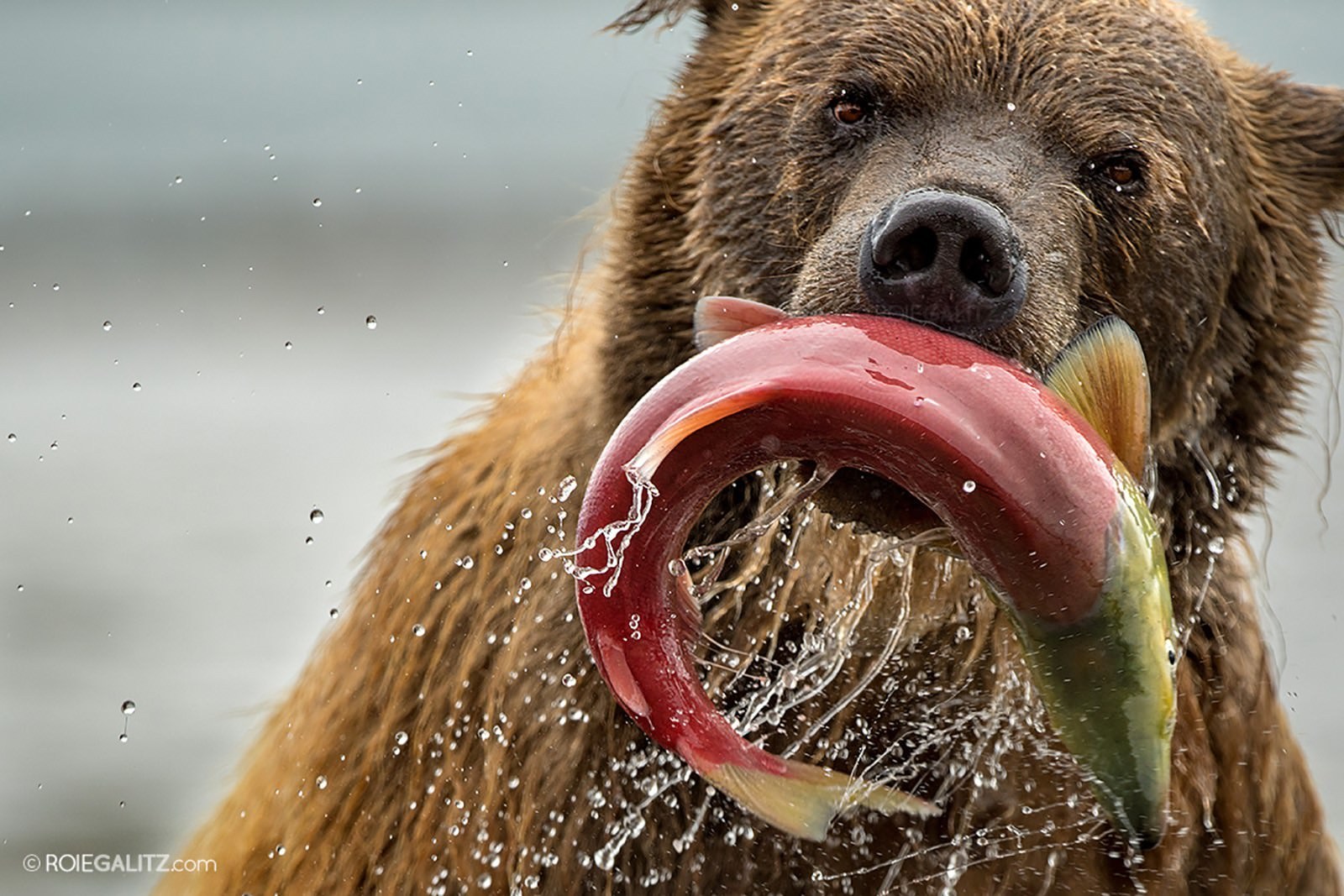
I love the shots I got with this thing on this trip, including the one at the top of the article. Capturing the beauty of life as it unfolds – that, to me, is the territory of the Fujifilm X-H1.
Capturing the beauty of life as it unfolds – that, to me, is the territory of the Fujifilm X-H1.
Josh S. Rose
June: Artistic Shooting

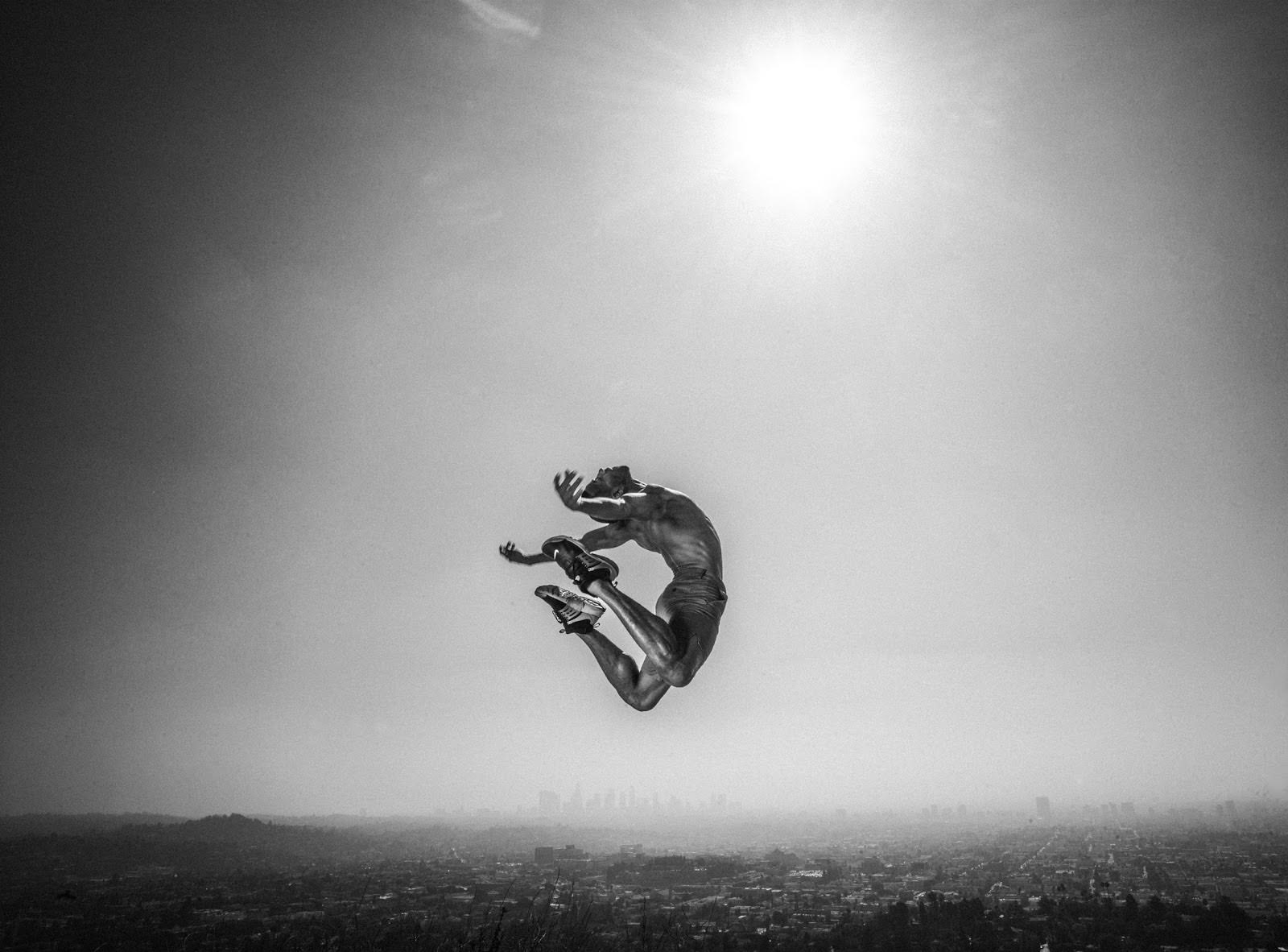
In my article on the Nikon D850, a good number of my showcases for that camera came in professional shoot situations, often with the use of off-camera lighting, which the Nikon handles really well. But a lot of the shooting I do is experimental and comes from a much more improvisational and creative place. I work with a lot of dancers in L.A. and many of the shoots I love most have us running around and experimenting with different things. In this shoot with the talented Lydia Purvesware we played with different emotions as they pertained to the cityscape of Los Angeles.

With its easily-articulated rear screen and light, tough body, the physicality of shots like these were handled with ease. It can also shoot extremely fast with no camera shake, which is good as I’m often in precarious positions. My creative shoots are nearly always black and white, and I give up very little in terms of dynamic range, making this camera an ideal companion for quick shoots with a lot of experimentation where I’m trying out extreme angles often with one hand.
I use my Leica in similar kinds of shoots but for me that is a more serious camera with more versatility when it comes to documentary and journalism work. We’ll get into the Leica later, but that distinction is important because I do both kinds of shoots a lot and I like to have the tool that performs best for me in each of them. But when it’s a run-and-gun joyfest of creativity and experimentation, it’s usually the Fujifilm.
July: America at Work

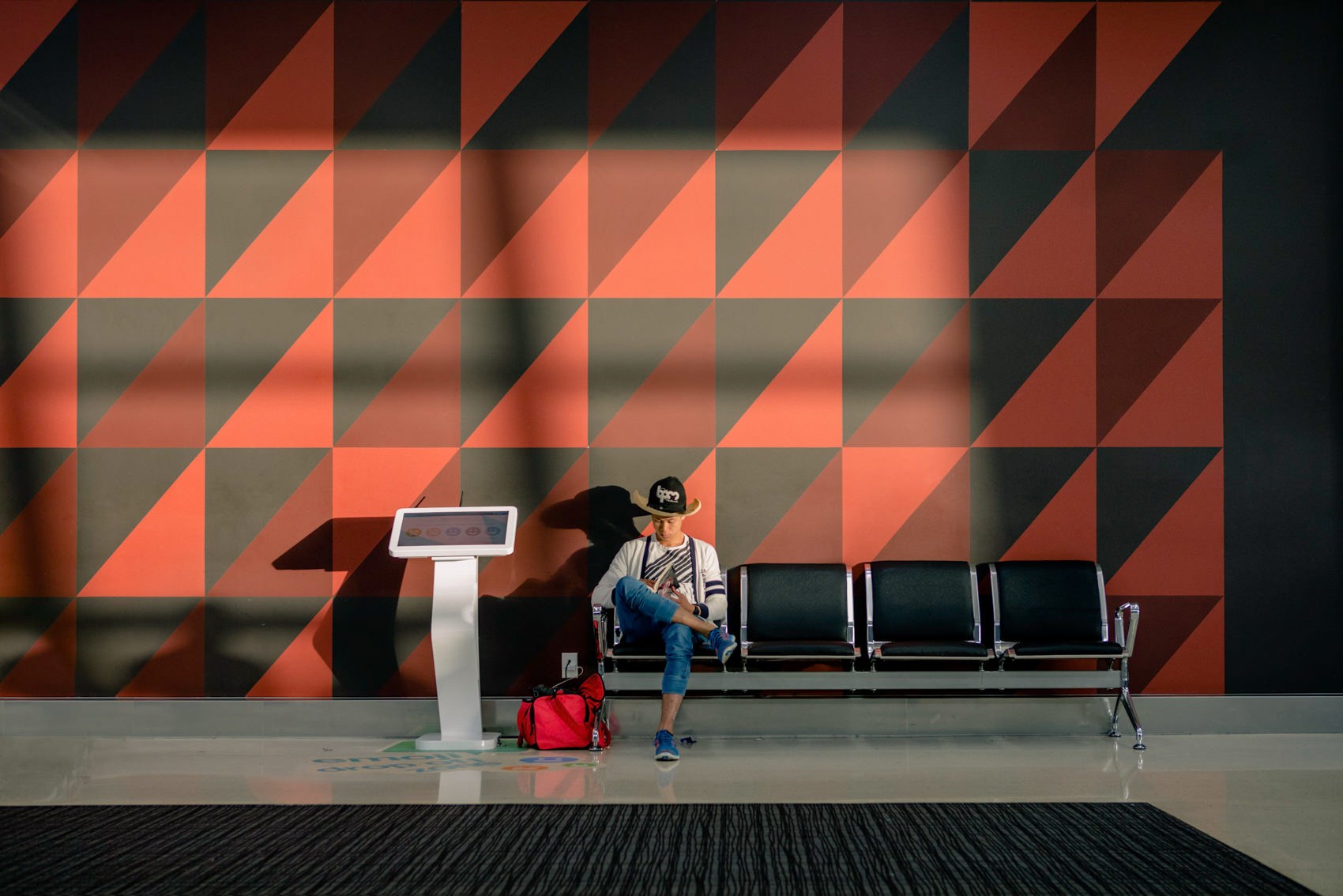
In July I took off on an incredible road trip across the country for an assignment on the American worker. I interviewed over 30 people in all kinds of jobs and documented the experience. While my portraits were often with my Leica, for reasons I’ll get into later, documenting the experience was nearly always with the Fujifilm.
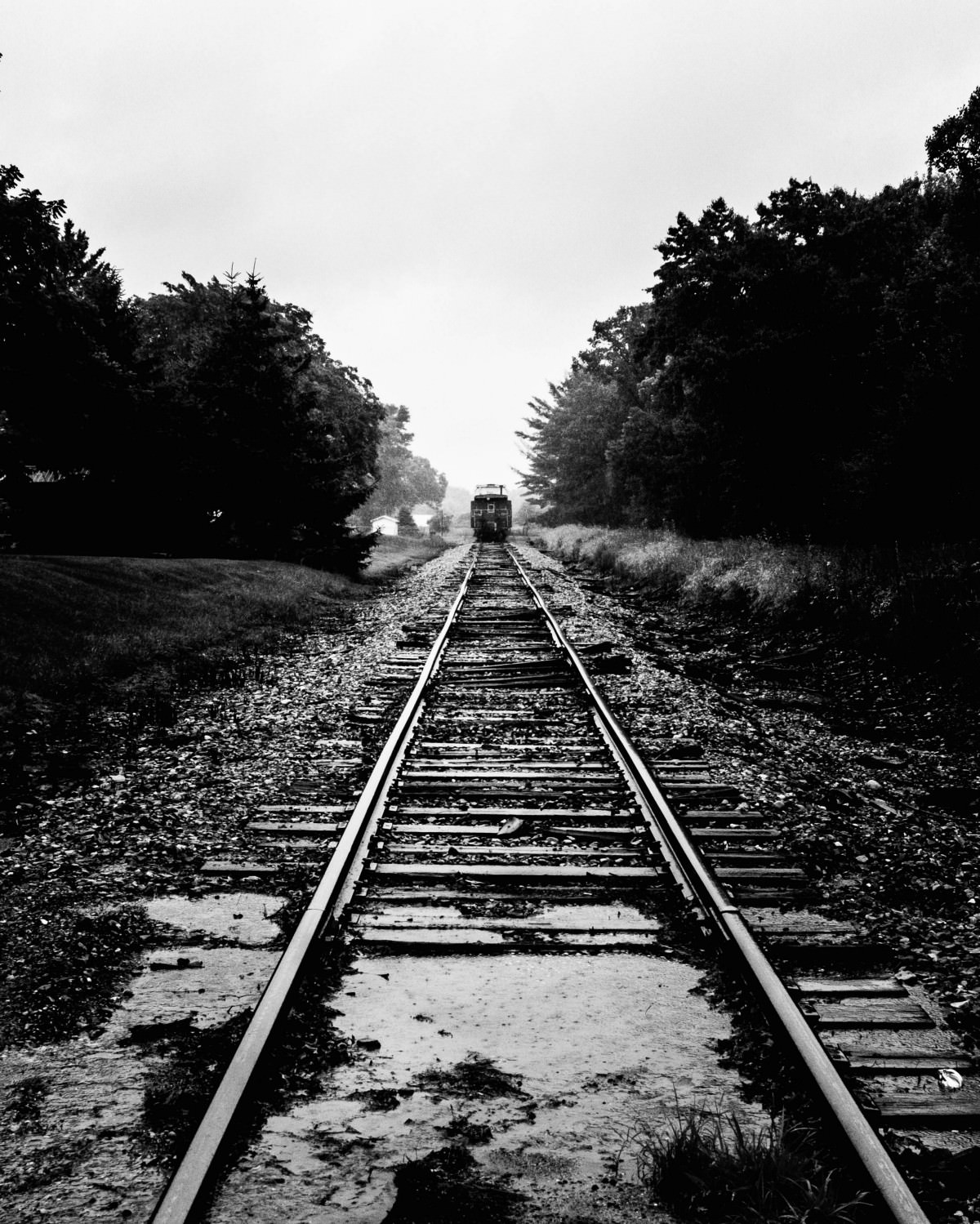
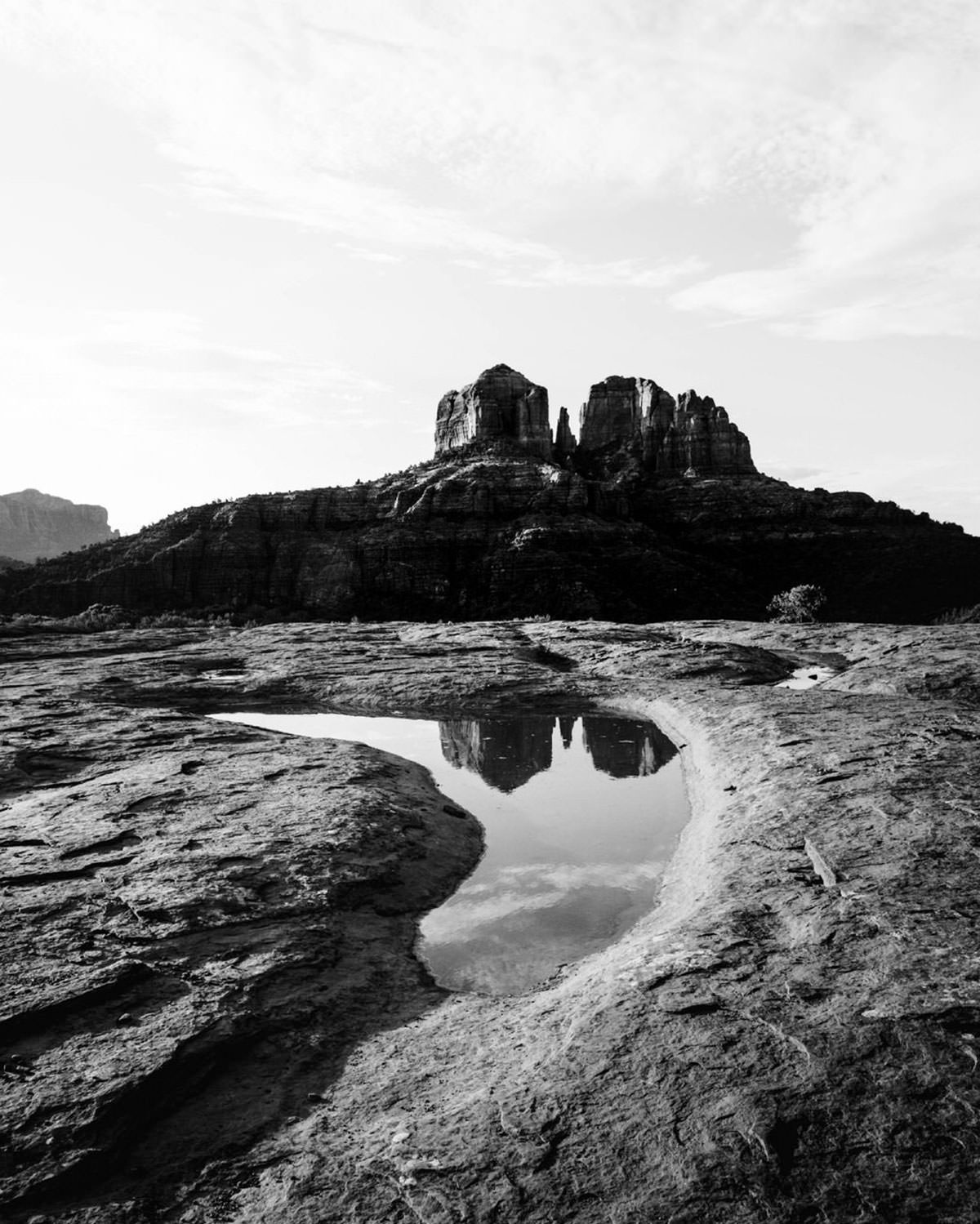
What I discovered being on the road for an extended period of time was that there is a connection you’re having to your travel experience that a camera can pull you out of, if you’re not careful. When I’m truly engaged in being out in the world, I don’t want to take myself out of the experience I’m having and enter into “photographer mode.” I’d prefer to quickly grab a shot and never really need to leave my state of engagement.
I’d prefer to quickly grab a shot and never really need to leave my state of engagement.
Josh S. Rose
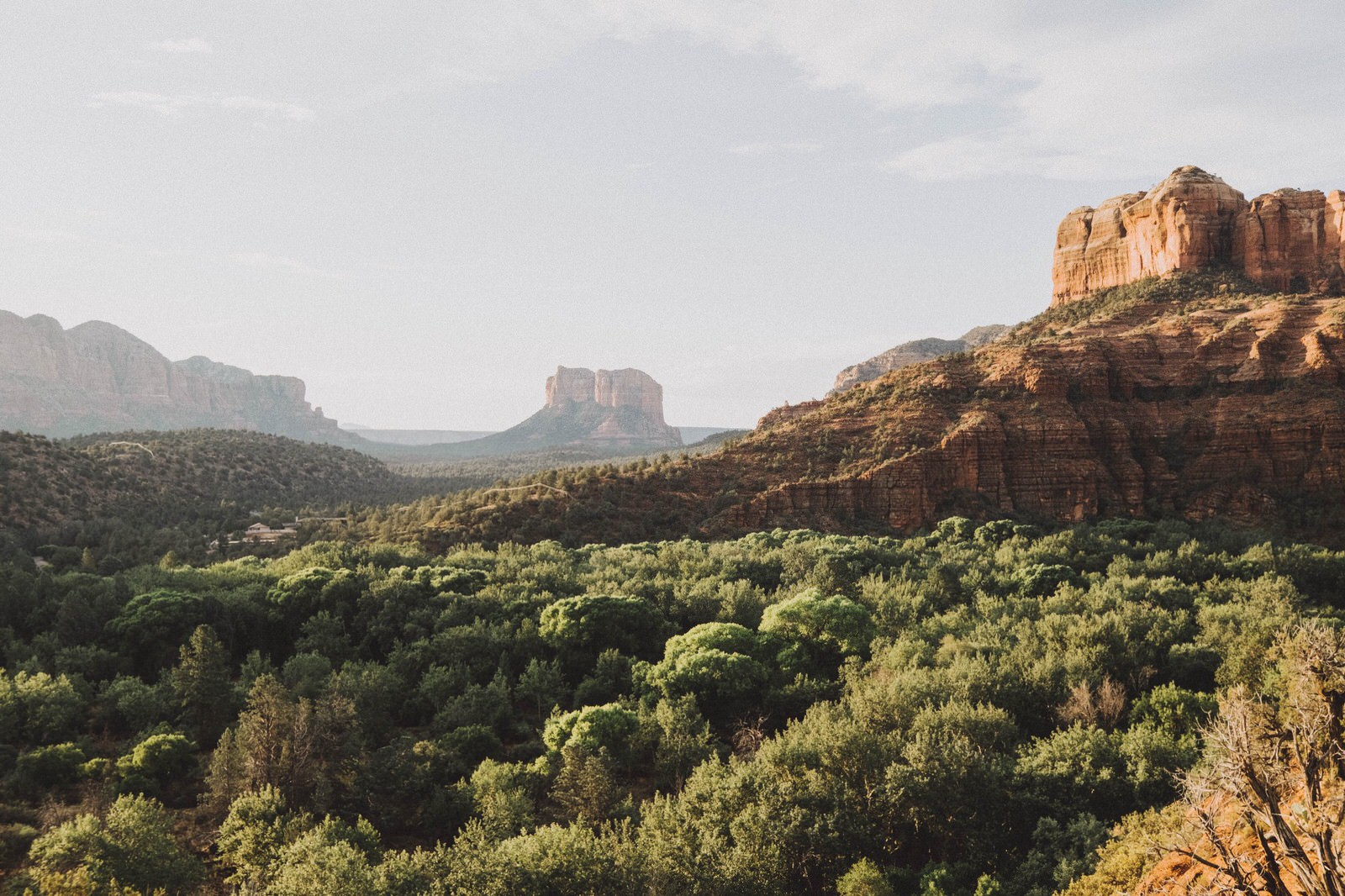
For this kind of thing, the Fujifilm excels. It’s so light that it barely registers slung over my shoulder. And it’s so durable that the knocks it receives being thrown about in the car and against various items throughout the day don’t stress me out. I can’t say that about either the Nikon or the Leica, both of which are beautiful machines, but demanding on a shooter. Which is not to say that the Fujifilm can’t take stunning portraits. I brought along an adapter to put my M-mount lenses on it, just for fun, and some of my best portraits were taken with exactly this setup (Fujifilm X-H1 and Leica M f/0.95):
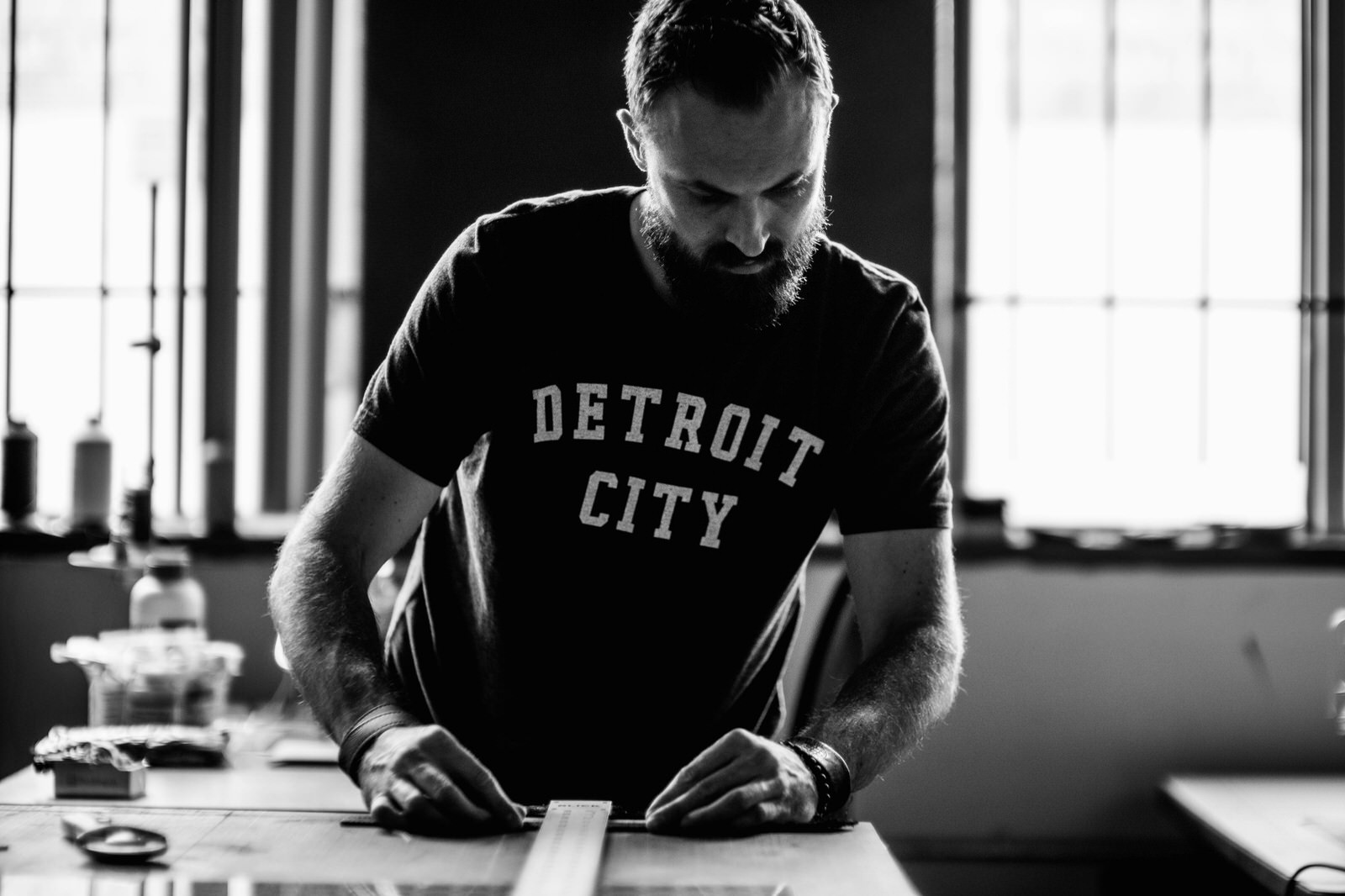
What’s more, the Fujifilm X-H1 is a great camera for video and I took a lot during the weeks out on the road.
August and September
August: Family Road Trip
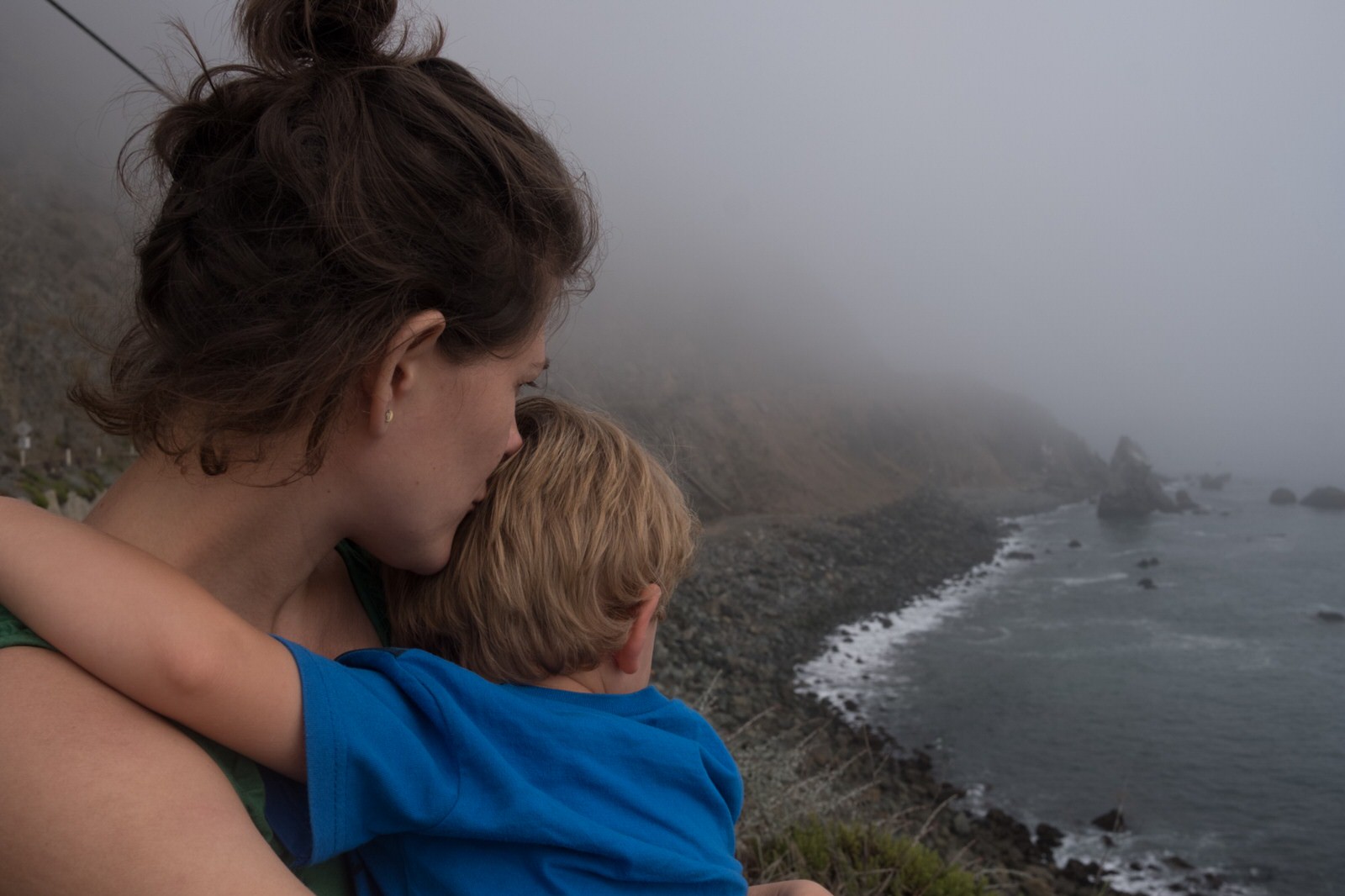
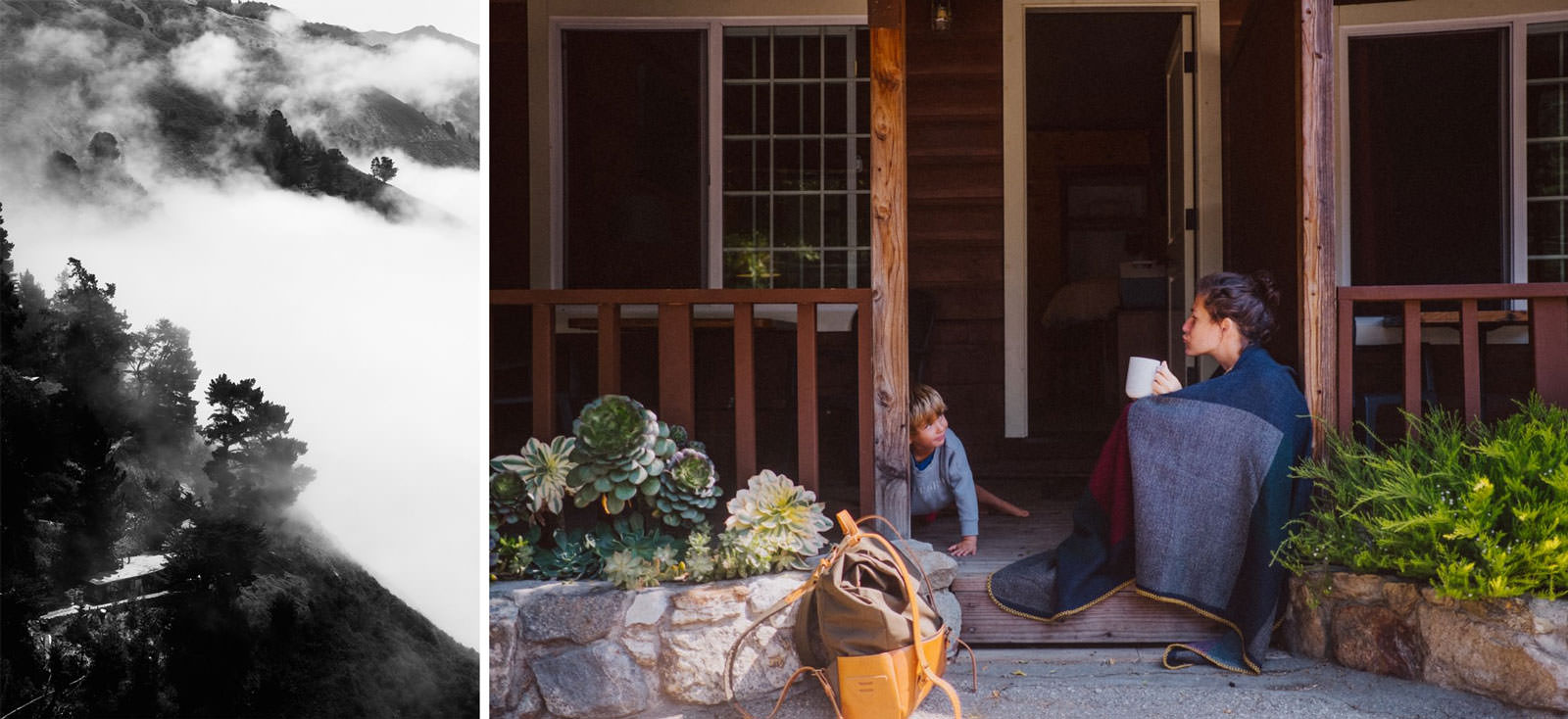
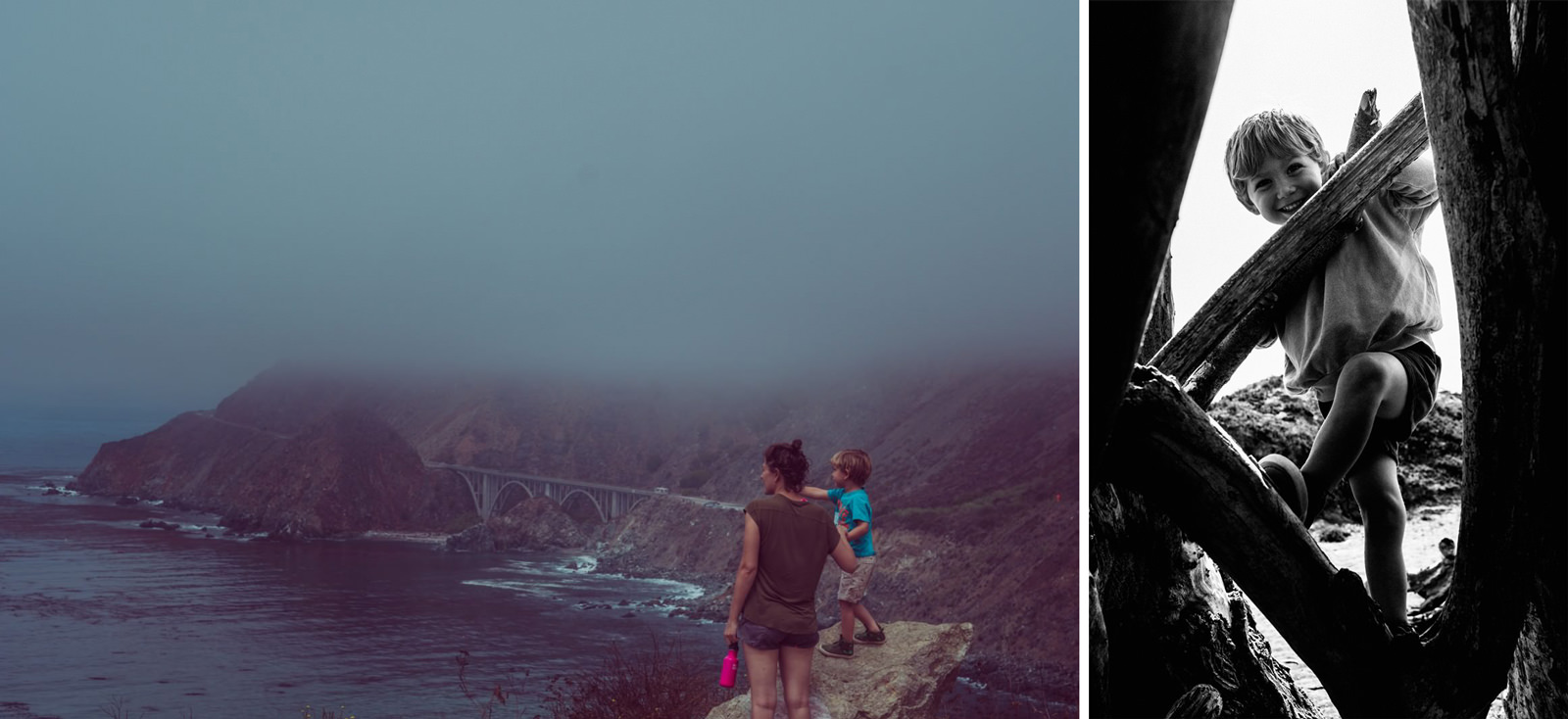
After being gone for nearly a month, August was a time to reconnect with family. We hopped in a car and drove up to Big Sur. Again, this is a time when I want great shots, but don’t want to have to enter into a photographer mindset. These are intimate moments – not time for opening up camera bags, changing lenses, posing people or using off-camera flash. It’s about being as in the moment as possible, capturing it quickly and getting back to it.
September: Cameras and Dancers
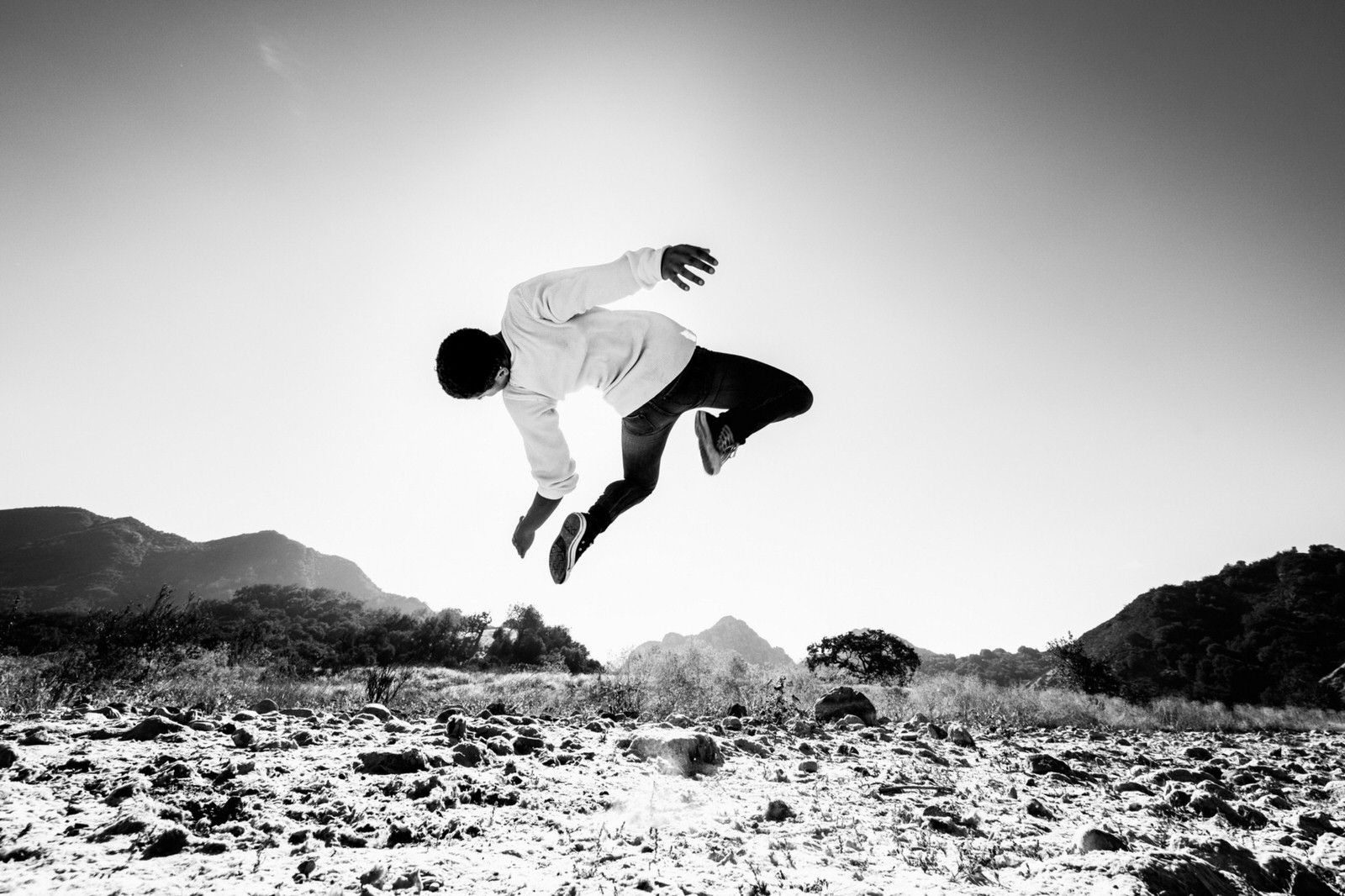
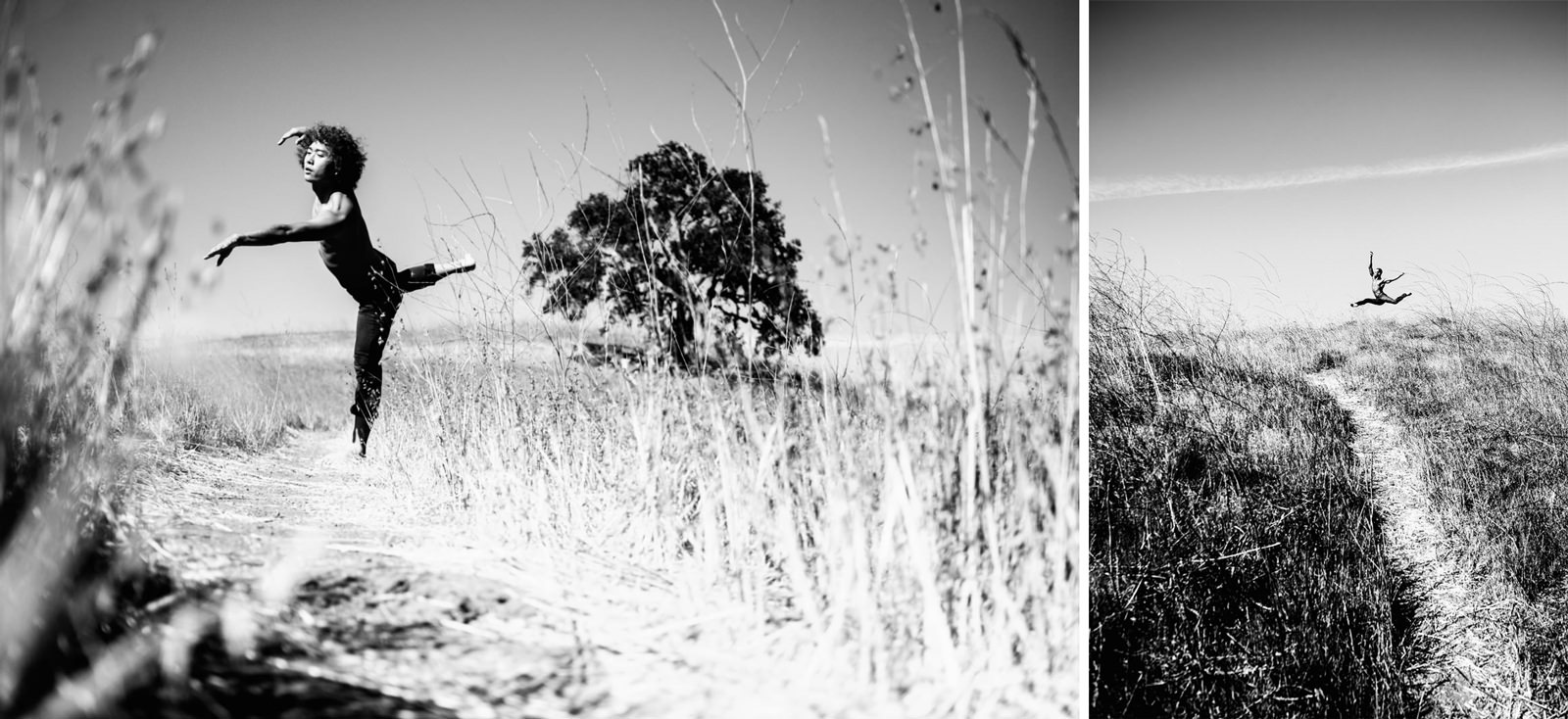
I’ve been lucky to find myself involved with the dance community in Los Angeles where there is an endless amount of creative opportunities for beautiful expressions that emanate out of this relationship that forms between the two art forms. It is one of those things that constantly grows and pushes the creative community to try new things. In this shoot, we took to the hills of Malibu – as it turns out, this very area we shot at was completely enveloped in flames only weeks later, making this shoot all the more special to look back on.
The Fujifilm X-H1 performs beautifully in situations like this with an extremely fast shutter and ability to lay it straight onto the ground and still see what you’re shooting in the articulated screen. It also has great continuous focus abilities and stabilization in camera, all of which means that I can use it to get hard shots easily and fluidly as dancers experiment and try various things. Dance is fleeting – speed and agility are key here.
Dance is fleeting – speed and agility are key here.
Josh S. Rose
October and November
October: That One Sunset

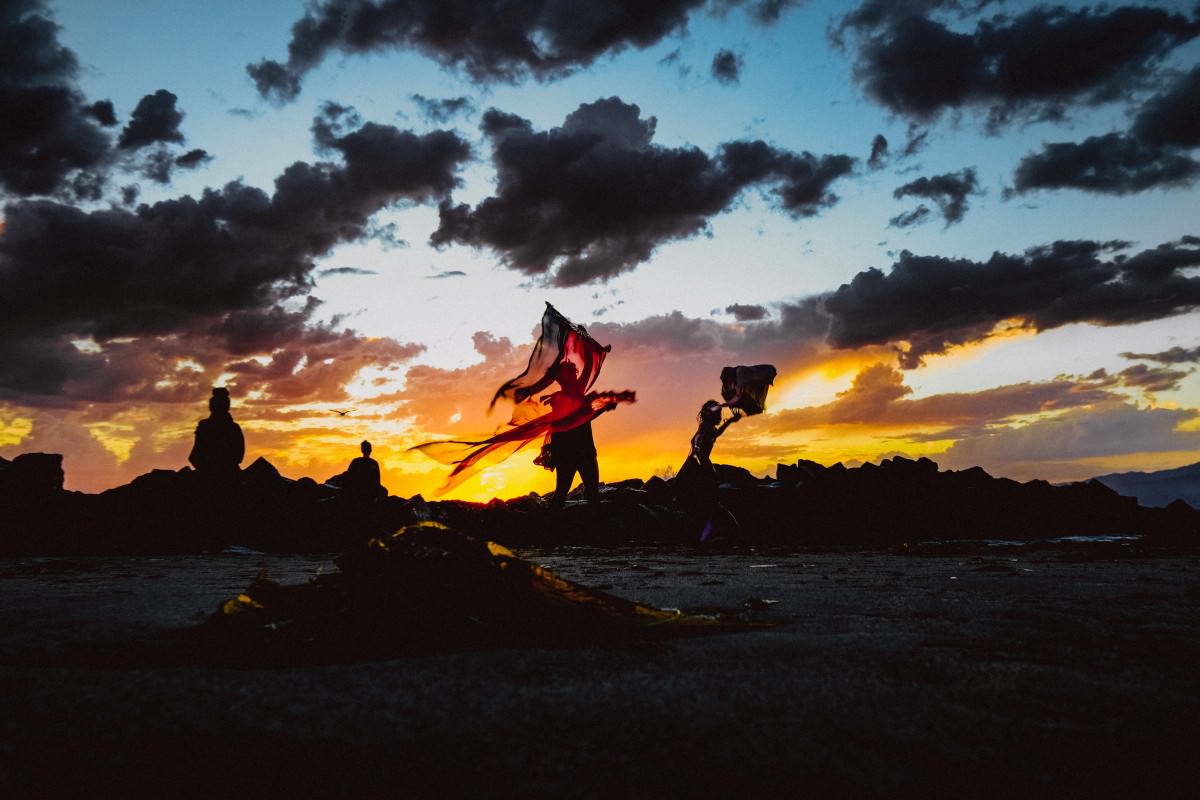
I lead photo workshops down in Venice Beach. We walk around as the sun gets low in the sky and talk about photography and go over settings, composing and finding moments. It’s a thoroughly enjoyable affair and often leads to incredible scenes right as the sun sinks below the water and the sky lights up. I always bring the Fujifilm on these expeditions as it’s by far the best camera to teach photography with, as all the major settings are manual knobs on the top of the camera, easily accessible and explainable.
And there’s no lack of subject matter down here in Venice.
November: The Kids
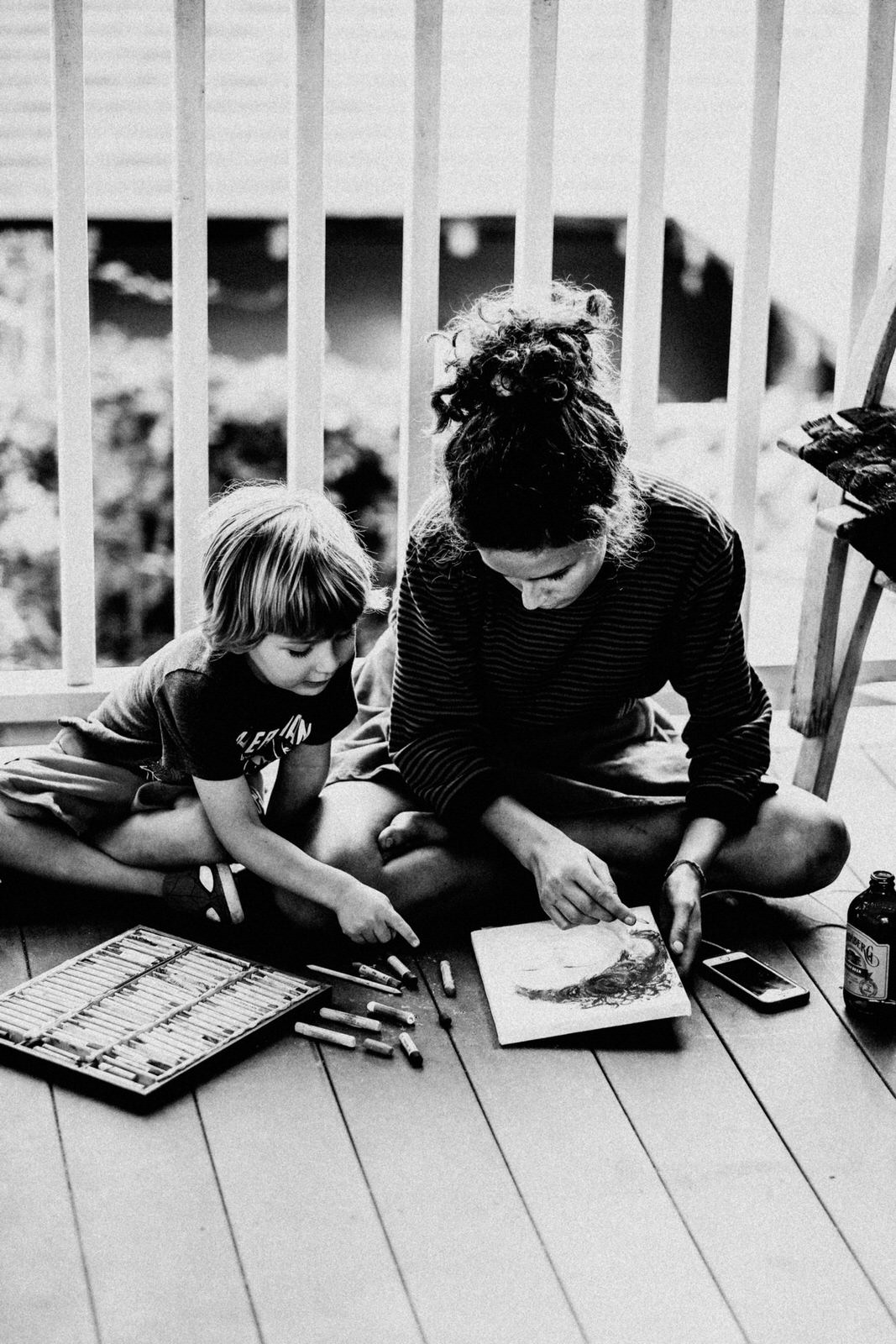
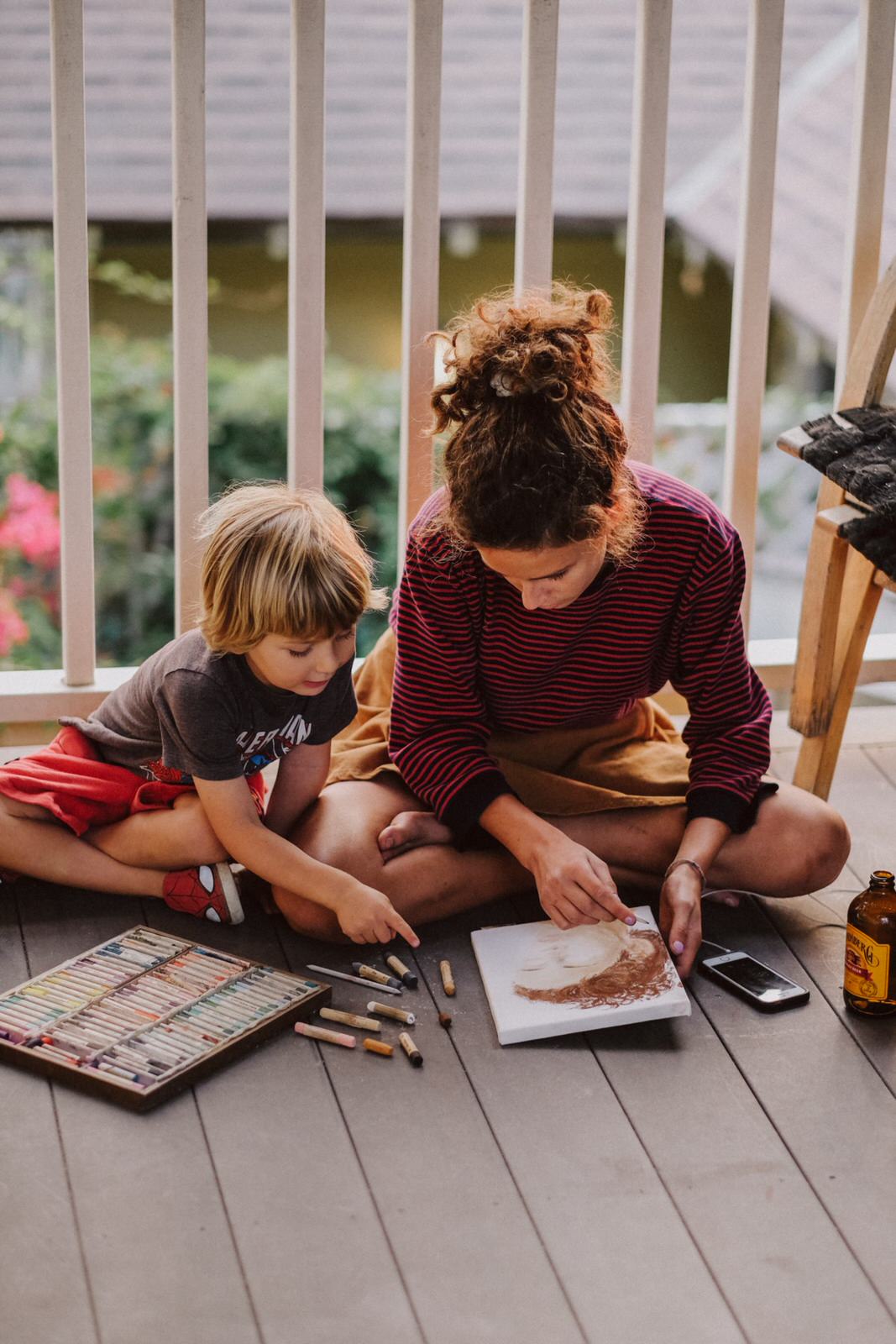
Probably my most common use of the Fujifilm on a day-in/day-out basis is just hanging with the family and capturing those great moments of interaction. The X-H1 offers tons of in-camera looks that are straight-out-of-the-camera good, but I prefer to do my own color work.
While the files themselves are not the most flexible, the color is incredibly good and so small enhancements or black-and-white conversions are usually all that’s needed with Fujifilm images.
December: A Short Film
As the year went on, I got into a rhythm of using my Fujifilm X-H1 as my behind-the-scenes camera for photo shoots, often giving it to people at the shoot to get short clips with to document the process. So, while I generally consider myself a stills photographer, sometimes I get ideas for short films and, with my newfound confidence shooting with the X-H1, I was able to push myself to do more video through the year.
Here’s one I put together in December that involved bringing some of the dancers from Jacob Jonas The Company over to some of the devastation from the fires in Malibu for a tribute to regrowth. All the non-drone shots here are from the Fujifilm. Music courtesy of the great Japanese musician, Yoshiki, who I also do some work for on occasion.
Thanks for reading and stay tuned for Part 3 as I recap my year with the Leica M-P. You can see more of my photography on Instagram here.
Common Questions About the Fujifilm X-H1
Is the Fujifilm X-H1 good for video? Josh upgraded from the X-T2 for its video features and the new in-camera stabilization. By the end of the year it was his behind-the-scenes camera, and all the non-drone footage in his short film “Succession” was shot on it.
Is it a good travel camera? For him it is the ideal travel companion: so light it barely registers on his shoulder, and tough enough that knocks in the car don’t worry him. He can grab a shot and stay in the moment instead of switching into “photographer mode.”
How does the X-H1 compare with the Nikon D850 and Leica M-P? On paper it makes the lowest-quality image of his three cameras, which he says means almost nothing in the real world. He uses the Nikon for professional shoots with off-camera lighting, the Leica for documentary work and portraits, and the Fujifilm for fast, experimental shoots, travel and family.
Can you use Leica M lenses on the Fujifilm X-H1? Yes, with an adapter. Some of his best portraits from the America at Work road trip were made with the X-H1 and a Leica 50mm Noctilux f/0.95.
Why use it to teach photography? The major settings are manual dials on top of the camera, so they are easy to reach and easy to explain. He brings it to every workshop he leads at Venice Beach.
In this article
Free with PHLEARN
Follow along, freeHow to Convert to Black and White in Lightroom Classic