
Download the Sample Image
Download Assets
This tutorial includes sample images and a PDF guide. Downloads are free with a PHLEARN account.
- Free sample files with every tutorial on PHLEARN
- New tutorials published every week
- Unlimited downloads with your free PHLEARN account
Description
2020 Edition
This lesson is from the original 30 Days of Photoshop. Photoshop has changed a great deal since — there is an updated version of this lesson in the 2025 Edition: How to Change the Color of Anything in Photoshop, Day 8.
Learn how to change the color of nearly anything in Photoshop using the powerful Hue/Saturation Adjustment Layers. Clothing, products, eyes, and hair–no matter what kind of photos you work with, this is an essential skill for any Photoshop artist.
This is Day 21 of our 30 Days of Photoshop series. Follow along with all 30 episodes as we explore the magic of Photoshop together!
Continue Watching 30 Days of Photoshop
Enjoying This Free Tutorial?
We publish a new free tutorial every week, each one with sample images and PSDs you can download and follow along with. Sign up and they land straight in your inbox, along with early word on sales, events and subscriber-only offers.
Change the Color of Anything with Hue/Saturation
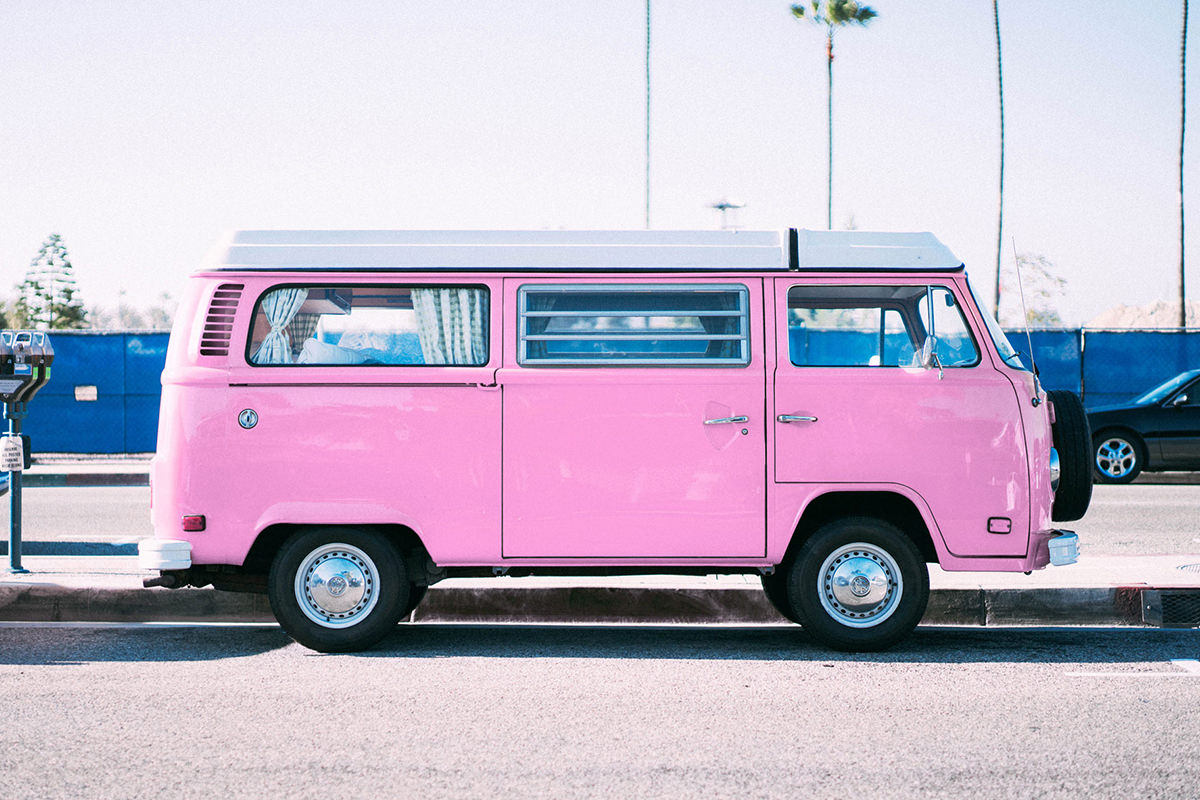
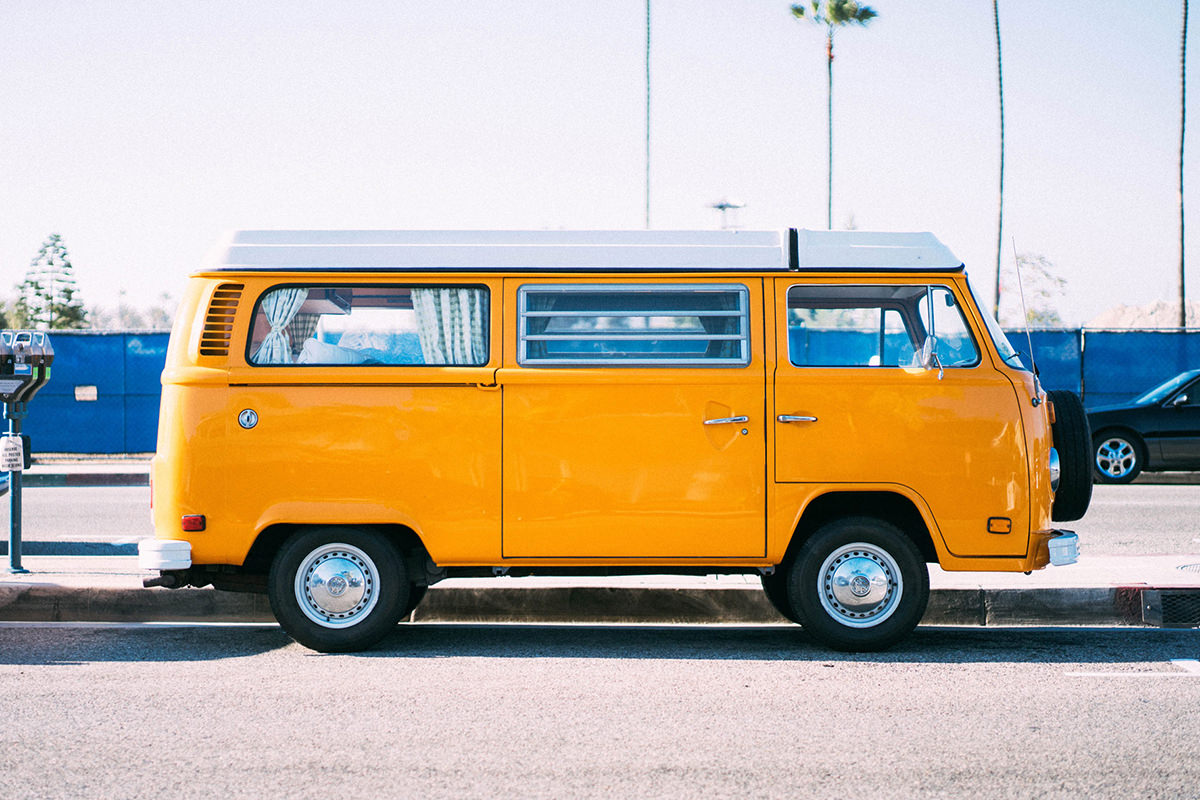
Changing the color of an object in Photoshop, a car, a shirt, a flower, someone’s hair, takes one adjustment layer and a little imagination. Hue/Saturation lets you target a single color range in the photo, shift it to any other color, and mask off anything you did not mean to change. In this lesson we turn a yellow Volkswagen into any color we like.
Add a Hue/Saturation Adjustment Layer
-
Create the Layer
Go to Layer > New Adjustment Layer > Hue/Saturation and click OK, or click the Hue/Saturation icon in the Adjustments panel. Drag the Properties panel out so you can see it clearly.
-
Understand Master Mode
The dropdown at the top reads Master, which means every color in the image moves together. Drag the Hue slider and the whole photo shifts. That is occasionally useful, but usually you want one specific color.
Target One Color
-
Pick the Closest Channel
Click the Reset icon, then open the dropdown and choose the range closest to your object. For a yellow car, choose Yellows. It does not need to be exact.
-
Refine with the Eyedropper
Click the eyedropper in the Properties panel and click directly on the object. The color bars at the bottom of the panel jump to the exact range under your cursor. Click on something blue and they jump to blue; click back on the car and they return to yellow.
-
Read the Two Color Bars
The top bar shows the colors you are affecting; the bottom bar shows what they turn into. Drag the Hue slider and watch the bottom bar rotate. Whatever falls between the markers on the top bar is converted.
Dial In the Range
-
Move the Range
Drag the middle of the range markers left or right to shift which colors are affected. Toggle the layer on and off to see what is changing. Sliding toward the reds picks up warmer parts of the car; sliding the other way protects the brightest highlights.
-
Narrow the Range
Drag the inner markers closer together to affect a smaller slice of color. This matters when two things in the photo share a similar color, like an orange shirt on someone with warm skin. A narrow range changes the shirt and leaves the skin alone.
Change the Color
-
Shift the Hue
With the range set, drag the Hue slider. The car cycles through every color. Stop when you like it.
-
Adjust Saturation and Lightness
Pull Saturation down for a muted or gray version, or up for something vivid (very high values tend to look unnatural). Use Lightness to make the new color a shade lighter or darker.
Mask Out Anything You Didn’t Mean to Change
-
Check the Rest of the Photo
Toggle the layer and look beyond the object. Some yellow in the ground or the palm trees behind the car has probably shifted too.
-
Paint Black on the Mask
Click the adjustment layer’s mask thumbnail, press B for the Brush Tool with black as the foreground color, and paint over anything that should keep its original color. Paint with white if you remove too much.
Tips
Some color spill is correct: a yellow car reflects a little yellow onto the ground beneath it, so a recolored car should leave a little of the new color there too. Reflected color like that is worth keeping. And because this is an adjustment layer, you can come back later, double-click it and pick a completely different color in seconds. Tomorrow’s lesson goes deeper into targeting specific colors with Hue/Saturation.
Related Tutorials
Master Photoshop, Lightroom and Photography
Join PHLEARN PRO for $12.99 a month or $99.99 a year. Cancel anytime, with a 100% money-back guarantee.