
description
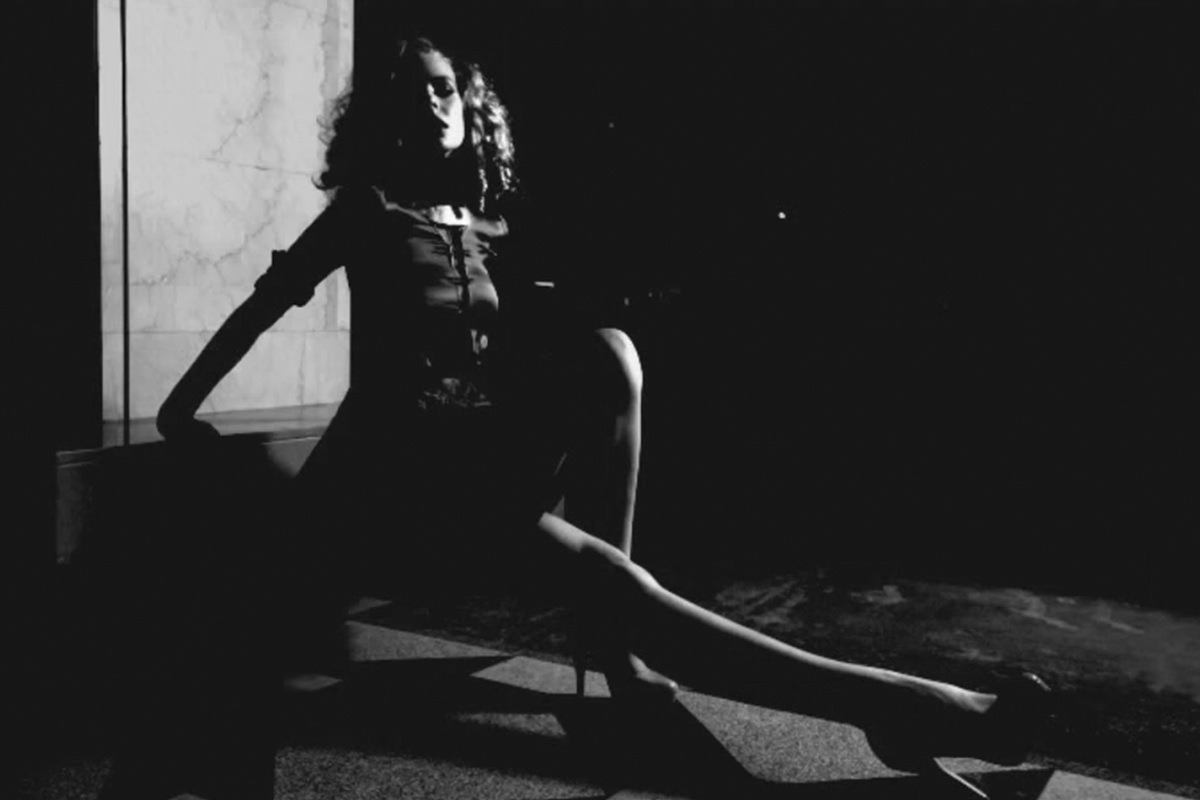
Converting a photo to black and white in Photoshop is not one button. This free tutorial compares three methods side by side on the same fashion portrait — the Desaturate command, a Black and White adjustment layer, and the Channel Mixer — and shows how much control each one hands over. It starts with a quick background cleanup, then finishes the image with a Field Blur for shallow depth of field and monochromatic grain to sell it.
Enjoying This Free Tutorial?
We publish a new free tutorial every week, each one with sample images and PSDs you can download and follow along with. Sign up and they land straight in your inbox, along with early word on sales, events and subscriber-only offers.
Creating a Black and White Image in Photoshop
Converting a color photo to black and white in Photoshop isn’t a single button — different methods give wildly different amounts of control over how each color translates into gray. This tutorial cleans up a fashion portrait, compares desaturation, the Black and White adjustment layer, and the Channel Mixer as three ways to convert to black and white, then finishes with a shallow depth-of-field blur and film-style grain.
Cleaning Up the Composition Before Converting
A couple of small distractions in the frame get painted out before any black-and-white work begins.
-
Crop Using the Rule of Thirds
Press C for the Crop tool, choose the Rule of Thirds grid option, and reposition the crop so the subject sits along one of the intersecting lines.
-
Remove a Distracting Reflection
Use the Polygonal Lasso tool to select a distracting reflection or bright spot, sample a nearby color with the brush tool, and paint over the selected area to remove it.
-
Clean Up Remaining Background Details
Create a new layer, sample a dark background color, and paint or clone stamp over any remaining distracting details in the background.
-
Group the Cleanup Layers
Select the cleanup layers and press Cmd/Ctrl+G to group them together.
Why Background Cleanup Is More Forgiving in Black and White
Once an image is converted to black and white, small imperfections in a background painted or cloned from a nearby dark tone become far less noticeable than they would in color. That extra tolerance makes it easier to quickly paint out distractions with a sampled color rather than needing a perfectly precise Clone Stamp job.
Converting With the Desaturate Command
The simplest conversion method strips color out entirely but offers the least control over the result.
-
Create a Stamp Visible Layer
Press Shift+Option/Alt+Cmd/Ctrl+E to create a new layer that merges everything visible below it.
-
Apply Desaturate
Go to Image > Adjustments > Desaturate, or press Shift+Cmd/Ctrl+U, to remove all color from the stamped layer.
Why Desaturate Offers the Least Control of the Three Methods
Desaturate simply strips color information without giving any way to adjust how individual colors, like reds or greens, translate into different shades of gray. It’s the fastest option when a quick conversion is all that’s needed, but it isn’t the method to reach for when fine control over the final tones matters.
Converting With a Black and White Adjustment Layer
A dedicated Black and White adjustment layer gives control over exactly how each color channel converts to gray, plus the option to add a tint.
-
Add a Black and White Adjustment Layer
Add a Black and White adjustment layer above the image.
-
Adjust Individual Color Sliders
Move the Reds, Yellows, and other color sliders to control how bright or dark those specific colors appear once converted to gray.
-
Add an Optional Tint
Check the Tint option within the same adjustment layer to add a sepia or other color cast without needing a separate layer.
Converting With the Channel Mixer for High Contrast
The Channel Mixer offers the deepest control of the three methods, especially for a punchy, high-contrast black-and-white look.
-
Add a Channel Mixer Adjustment Layer
Add a Channel Mixer adjustment layer and check the Monochrome option.
-
Adjust the Constant for Overall Darkness
Use the Constant slider to push the overall image darker as a starting point.
-
Push Individual Channels for Contrast
Raise the Red channel significantly to brighten specific tonal areas, creating strong, high-contrast separation between lights and darks.
Why the Channel Mixer Is Best for High-Contrast Black and White
Because the Channel Mixer lets each individual color channel be pushed independently, including deliberately extreme adjustments, it offers a level of tonal control the other two methods simply don’t have. That makes it the method to reach for specifically when the goal is a dramatic, high-contrast look rather than a balanced, natural-looking conversion.
Darkening the Background to Isolate the Subject
A spur-of-the-moment addition uses the Pen tool to push part of the background to pure black, isolating one specific detail.
-
Trace an Area With the Pen Tool
Press P for the Pen tool and trace around a specific detail, such as the subject’s leg, that should stay visible against a solid black background.
-
Convert the Path to a Selection
Right-click the path and choose Make Selection.
-
Fill a New Layer With Black
Create a new layer, press Shift+Delete, and fill the selected area with black.
Adding a Shallow Depth-of-Field Blur
A Field Blur applied after flattening the image mimics the look of a shallow-depth-of-field lens.
-
Create Another Stamp Visible Layer
Press Shift+Option/Alt+Cmd/Ctrl+E to merge everything into a fresh layer again.
-
Apply a Field Blur
Go to Filter > Blur > Field Blur, raise the blur on a pin near the bottom, then click near the top to add a second pin set to zero, so the blur fades from the bottom up.
Adding Monochromatic Grain to Sell the Effect
A layer of noise keeps a Field Blur from looking artificially smooth compared to the rest of the image.
-
Apply Add Noise
Go to Filter > Noise > Add Noise.
-
Check Monochromatic
Select the Monochromatic option so the noise stays gray rather than introducing colored speckling.
Why Adding Grain After a Fake Blur Makes It More Believable
A digitally applied blur like Field Blur tends to look a little too smooth and clean compared to the rest of a photo, which can give away that it wasn’t shot with a genuinely shallow depth of field. Adding a layer of monochromatic grain over the top roughens that smoothness back up, making the blurred area feel more like it came straight out of the camera.
Why This Approach Works
Desaturate, the Black and White adjustment layer, and the Channel Mixer all technically produce a black-and-white image, but each hands over a different amount of control, from none at all to full per-channel adjustment, which is why knowing all three matters more than picking a single favorite. Cleaning up distracting background details before converting takes advantage of how much more forgiving black and white is toward small imperfections. Finishing with a Field Blur and matching monochromatic grain is what turns a technically correct conversion into something that feels intentionally, stylistically shot.
Final Thoughts
Black and white isn’t just the absence of color, it’s a deliberate stylistic choice that changes the entire mood of an image, and Photoshop offers several genuinely different ways to get there. Comparing desaturation, the Black and White adjustment layer, and the Channel Mixer side by side on the same image is the best way to understand what each one actually offers before deciding which fits a particular photo.
Quick Reference: Keys, Menus and Settings
- CropC, overlay set to Rule of Thirds
- Stamp visibleShift + Alt/Option + Cmd/Ctrl + E
- DesaturateImage > Adjustments > Desaturate or Shift + Cmd/Ctrl + U
- Black and White layerColor sliders for Reds, Yellows and the rest; optional Tint
- High contrastChannel Mixer, Monochrome, Constant down, Red up
- Black out an areaP, right-click > Make Selection, Shift + Delete to fill black on a new layer
- Blur and grainFilter > Blur > Field Blur; Filter > Noise > Add Noise, Monochromatic
No AI, no generative credits.
Black and White, Part 1: Common Questions
What are the ways to make a photo black and white in Photoshop?
This part compares three: Desaturate, a Black and White adjustment layer and a Channel Mixer adjustment layer with Monochrome checked. Each gives you a different amount of control over the grays.
Should I shoot in black and white or convert later?
Aaron recommends shooting in color and converting later in Lightroom or Photoshop. You keep both versions, and going from black and white back to color isn’t easy.
Is noise a problem in black and white photos?
Less so. Black and white tends to look good with some noise, so it’s a good time to shoot in low light and raise the ISO.
How do I separate a subject from the background in black and white?
Use light and dark, not color. A red subject on a green background turns into two similar grays, so put a light subject on a dark background or a dark subject on a light one.
Why won’t Desaturate work on my new layer?
A blank layer has nothing to desaturate. Press Shift + Alt/Option + Cmd/Ctrl + E for a stamp visible layer, then use Image > Adjustments > Desaturate or Shift + Cmd/Ctrl + U.
What does the Black and White adjustment layer add?
Sliders for each color, so you choose how light or dark the reds, yellows and others turn. Its Tint option adds a sepia look in the same layer.
Which method is best for high-contrast black and white?
The Channel Mixer. With Monochrome on, Aaron pulls the Constant down to darken the image and pushes the Red channel up to brighten it, an extreme setting the other methods can’t do.
How do I hide distractions before converting?
Select the spot with the Polygonal Lasso, sample a nearby dark color and paint over it, or use the Clone Stamp on a new layer. In black and white, small mismatches barely show.
How do I fake shallow depth of field and make it look real?
On a stamp visible layer, use Filter > Blur > Field Blur with a strong pin at the bottom and a zero pin at the top. Then add Filter > Noise > Add Noise with Monochromatic checked so the blur doesn’t look too smooth.
Master Photoshop, Lightroom and Photography
Join PHLEARN PRO for $12.99 a month, or $99.99 a year (save 36%). Cancel anytime, with a 100% money-back guarantee.