The Power of AI: Creating Graphics in Midjourney and Compositing Them into Portraits in Photoshop
-
-
Add to
favorites
Download Assets
This tutorial includes 1 PDF guide. Downloads are free with a PHLEARN account.
- Download the sample files from every free tutorial on PHLEARN
- New free tutorials published every week
- One free account: sign up once, then download anything
Free PDF Guide · 4 Pages
This Tutorial as a Step-by-Step PDF
Walks through the whole workflow: /imagine prompts that echo the portrait, U2 and V2 to upscale and vary, Filter > Neural Filters > Super Zoom at 4x to a new layer, Select > Subject refined in Select and Mask with Color Aware, then scaling, duplicating and rotating the graphic behind her. Keep it next to your keyboard.
description
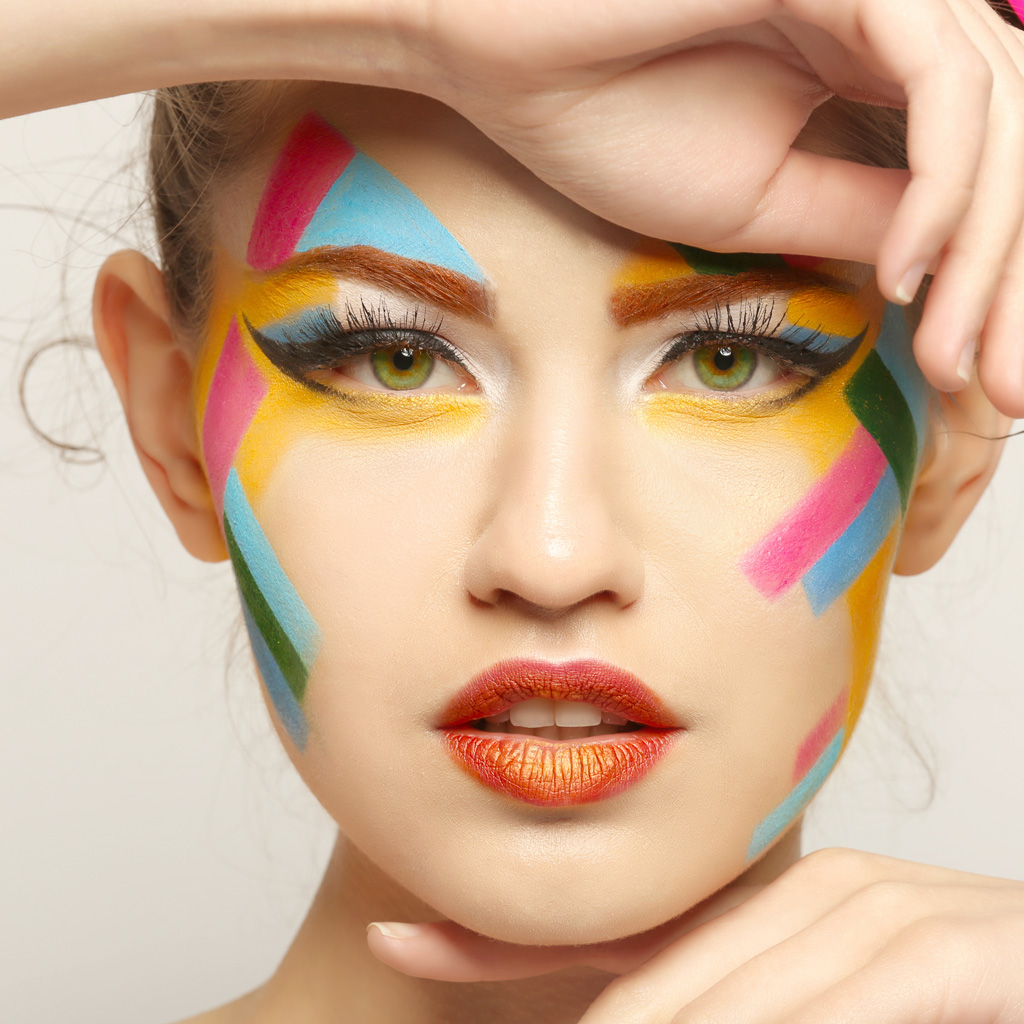
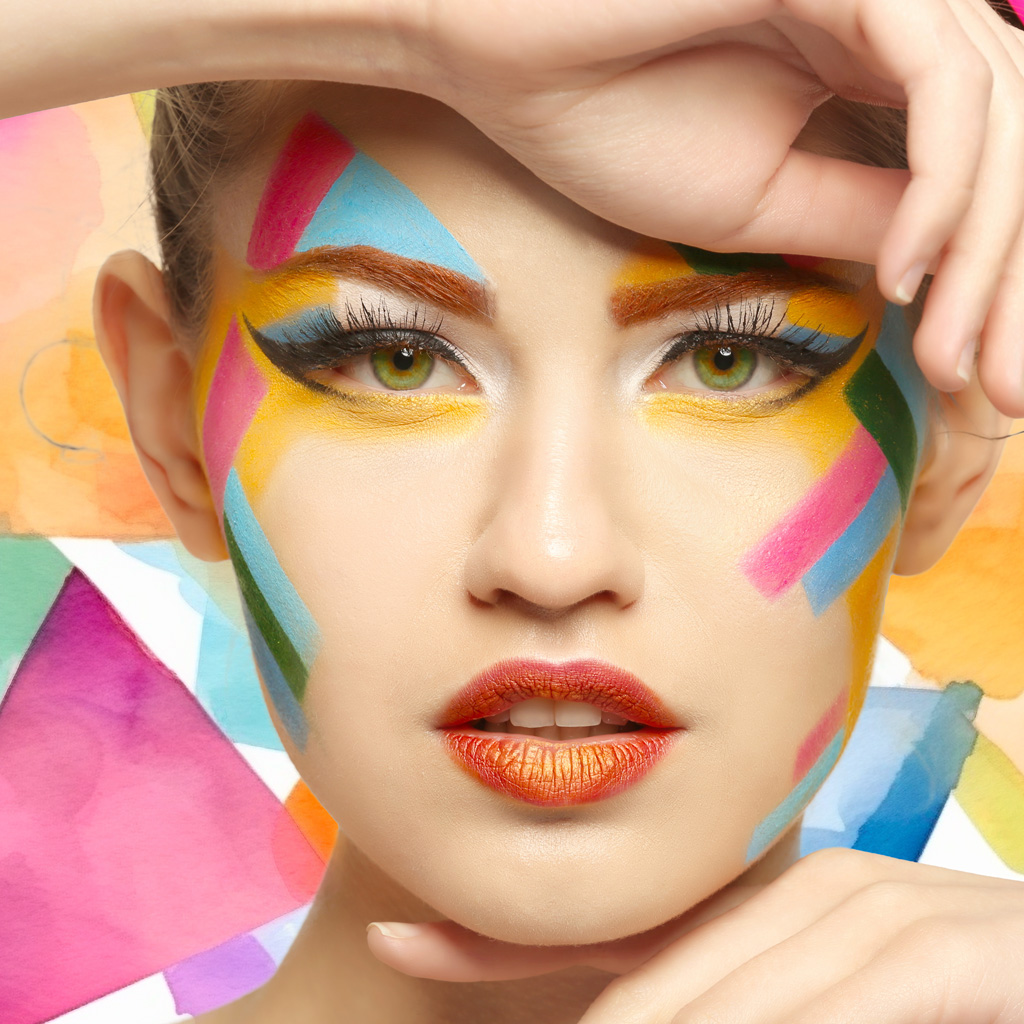
A plain white background behind an otherwise strong portrait is wasted potential, and generating a custom one with AI turns out to be faster than most manual alternatives. This walkthrough uses Midjourney to generate painterly graphics that match the portrait’s existing style, Photoshop’s Super Zoom neural filter to bring that output up to a usable resolution, and Select Subject with Select and Mask to composite the new background convincingly behind the subject.
Enjoying This Free Tutorial?
We publish a new free tutorial every week, each one with sample images and PSDs you can download and follow along with. Sign up and they land straight in your inbox, along with early word on sales, events and subscriber-only offers.
Image Source
Photo via Adobe Stock
The Power of AI: Creating Graphics in Midjourney and Compositing Them into Portraits in Photoshop
A plain white background behind an otherwise interesting portrait is wasted potential, and generating a custom one from scratch with AI turns out to be faster than most manual alternatives. This workflow uses Midjourney to generate colorful, painterly graphics that match a portrait’s existing style, Photoshop’s Super Zoom neural filter to bring that AI output up to a usable resolution, and Select Subject with Select and Mask to composite the new background convincingly behind the subject.
Getting Started with Midjourney
Midjourney is an AI image generator that runs through Discord, and it’s the tool used here to create a background that matches the artistic, painterly shapes already present on the portrait’s subject.
-
Join the Midjourney Discord Server
Visit midjourney.com and follow the quick start guide, which walks you through joining Midjourney’s Discord server. Inside, newcomer rooms let anyone type in a prompt for free.
Free vs. Paid Midjourney Access
The free option works, but every prompt gets posted into a shared room alongside hundreds of other people’s requests, making it slow to find your own results. A paid subscription unlocks private messaging directly with the Midjourney bot, so your generations appear only in your own conversation and process a bit faster — the free tier is a completely valid way to follow along, just with a more crowded interface.
Generating a Background with a Text Prompt
-
Use the Imagine Command
In your Midjourney conversation, type /imagine followed by a descriptive prompt, such as “colorful geometric 2D rectangles and triangles watercolor on a white background,” and press Enter.
-
Submit a Second Prompt for More Options
Run a second prompt with a related but different description, such as “colorful shapes acrylic paint on white background geometric,” to generate an additional set of options to choose from.
How Midjourney’s Iterations Work
Each prompt returns four different image variations at once, refining in real time as the percentage counter climbs. Choosing colorful, geometric, and painterly language in the prompt matters because it’s what keeps the generated background in the same visual language as the original portrait’s shapes, rather than producing something that clashes with it.
Upscaling and Creating Variations
-
-
Choose an Image to Upscale
From the four results, pick the one you like best and use the U command (for example, U2) to upscale that specific version to a higher resolution.
-
Request Variations Based on a Result
Use the V command (for example, V2) on a result you like to generate additional variations built on that same image, and repeat the upscale-and-variation cycle as many times as you want.
-
Once a version looks right, bringing it out of Discord and into Photoshop is a simple copy-and-paste.
-
-
-
Copy an Upscaled Image
Click into the upscaled version in Discord, right-click it, and choose Copy Image.
-
Paste into Photoshop as a New Layer
In Photoshop, create a new layer and paste. Repeat this for each Midjourney result you want to bring in, each landing on its own layer.
-
-
Scaling Up with the Super Zoom Neural Filter
Midjourney’s raw output is limited to roughly 1024 by 1024 pixels, which usually isn’t large enough to fill a full portrait background, so a second AI pass increases the resolution further.
-
-
-
Select the Super Zoom Neural Filter
Select the graphic layer you want to use, go to Filter > Neural Filters, and turn on Super Zoom.
-
Increase Zoom and Output to a New Layer
Click the plus icon to reach 4x zoom, set the output to New Layer, and click OK. The AI fills in additional detail as it enlarges the graphic, producing a much larger, still-sharp version.
-
-
Cutting Out Your Subject
-
-
-
Hide the Other Graphic Layers
Turn off visibility on any Midjourney layers you’re not using right now, keeping just the upscaled one you want behind your subject.
-
Unlock the Background Layer
Double-click the background layer (shown with a small lock icon) and click OK to convert it into a regular, unlocked layer that can accept a layer mask.
-
Select Subject
Go to Select > Subject to generate an initial AI-based selection of your portrait subject.
-
-
Refining the Selection with Select and Mask
An initial Select Subject result is rarely perfect on its own, especially around detailed areas like hair, so refining it in Select and Mask is an expected part of the process rather than a sign something went wrong.
-
-
-
Open Select and Mask
Go to Select > Select and Mask.
-
Paint In Missed Areas
Use the brush to paint over areas the initial selection missed, like part of the face, to include them in the mask.
-
Refine Detailed Edges Like Hair
Use the Refine Edge brush over hair and other fine detail to pull in more accurate information along those edges.
-
-
Switching Refine Modes When One Isn’t Working
If the Refine Edge brush isn’t producing good results in Object-aware mode, switching the refine mode to Color Aware can make a noticeable difference. There’s no way to know in advance which mode will work best on a given image, so trying the other mode when results look rough is a normal troubleshooting step, not a sign of doing something wrong.
Compositing the New Background Behind Your Subject
-
-
-
Output the Selection as a Layer Mask
At the bottom of the Select and Mask dialog, set Output To to Layer Mask and click OK to cut the subject cleanly out of the background.
-
Move the Subject to the Top of the Layer Stack
Drag the subject layer to the very top of the Layers panel.
-
Reveal the AI Background
Turn the upscaled Midjourney graphic layer back on beneath the subject so it now shows through wherever the subject’s background was masked away.
-
Scale the Background to Fit
Press Ctrl + T (Cmd + T) to scale the background graphic so it fills the visible area behind the subject.
-
-
Duplicating and Repositioning for Full Coverage
A single graphic layer often can’t cover the entire frame once it’s scaled up and positioned, so duplicating it and rotating a copy into an unused area fills in the rest.
-
-
-
Duplicate the Background Layer
Press Ctrl + J (Cmd + J) to duplicate the graphic layer, then move the copy to cover an empty area, like the opposite side of the frame.
-
Rotate Around a Custom Reference Point
Press Ctrl/Cmd + T, make sure the reference point checkbox in the options bar is enabled, and click to set the point you want the rotation to pivot around before dragging to rotate.
-
Mask Off Any Unwanted Overlap
Add a layer mask to the duplicated layer, use the Lasso tool to select any area where it overlaps unwantedly with the first copy, and fill that selection with black on the mask via Edit > Fill.
-
-
Common Mistakes to Avoid
Trying to use Midjourney’s raw output at full size without running it through Super Zoom first usually leaves the background looking soft compared to the sharpness of the portrait itself. It’s also easy to accept a rough Select Subject result without a pass through Select and Mask, especially around hair, and to forget that the background layer needs to be unlocked before it can accept a layer mask at all.
Why This Approach Works
What makes this composite feel intentional rather than obviously AI-generated is that every step is aimed at matching, not just filling, the background. Choosing prompt language that echoes the portrait’s own painterly, geometric shapes is what keeps the Midjourney output visually consistent with the subject rather than looking like an unrelated graphic dropped in behind them. Super Zoom then solves the resolution mismatch that would otherwise give away the trick immediately — a soft, blurry background behind a sharp portrait is one of the fastest ways to break the illusion of a real photograph. And because Select Subject rarely gets fine detail like hair exactly right on the first pass, refining that selection in Select and Mask, switching refine modes when needed, is what keeps the cutout edge convincing once the new background shows through behind it.
None of these steps is individually complicated, but skipping any one of them — a mismatched prompt, an unscaled graphic, or a rough selection edge — is enough to make the final composite look assembled rather than photographed.
Final Thoughts
Generating a custom background from a text prompt and compositing it behind a portrait is a genuinely fast way to replace a plain or uninteresting backdrop, and the same core process — prompt for something that matches your subject, upscale it with Super Zoom, then select and mask your subject on top of it — applies well beyond just one portrait.
Once you’re comfortable moving between Midjourney and Photoshop this way, it becomes a reusable technique any time an existing photo needs a background it was never actually shot in front of.
Quick Reference: Keys, Menus and Settings
- Generate in MidjourneyIn Discord, /imagine plus your prompt; U2 to upscale image 2, V2 for variations
- Bring it inRight-click > Copy Image, then paste on a new layer in Photoshop
- EnlargeFilter > Neural Filters > Super Zoom, 4x, Output: New Layer
- Cut out the subjectDouble-click Background to unlock; Select > Subject, then Select > Select and Mask, Refine Mode: Color Aware, Output To: Layer Mask
- Scale and duplicateCmd/Ctrl + T to scale, Cmd/Ctrl + J to duplicate
- Rotate the copyReference point checkbox in the options bar; drag the angle icon, hold Shift to go faster
- Mask the overlapL for Lasso, then Edit > Fill, Black on the mask; click the chain to unlink

Free Downloads
Follow Along with the PDF Guide
Get the 4-page PDF guide with every step, from the Midjourney prompts and Super Zoom to Select and Mask and the rotated background copy. Free with a PHLEARN account.
Midjourney Backgrounds in Photoshop: Common Questions
Do I need a paid Midjourney plan?
No. Anyone can type a prompt in the shared newbie rooms on the Midjourney Discord server for free. A paid plan adds a private chat with the Midjourney Bot, so you don’t have to scroll past everyone else’s results, and it works a little faster.
How do I write a prompt in Midjourney?
Type /imagine, then your description, and press Enter. The first prompt here was “colorful geometric 2D rectangles and triangles watercolor on a white background.”
How do I make the AI background match my portrait?
Describe what the portrait already has. Aaron used geometric, artistic, colorful and “on a white background” because that is the style of the original, so the tone and feel match.
What do U2 and V2 mean in Midjourney?
Each prompt returns four images. U upscales one and V makes variations of it, and the number picks the image, so U2 and V2 work on the top right result.
How do I get a Midjourney image into Photoshop?
Click the upscaled image in Discord, right-click and choose Copy Image. In Photoshop, create a new layer and paste.
The Midjourney image is too small. How do I enlarge it?
The output is about 1024 by 1024 pixels. Go to Filter > Neural Filters, turn on Super Zoom, click the plus icon until it reads 4x, set Output to New Layer and click OK.
Why can’t I add a layer mask to my photo?
The Background layer is locked. Double-click where it says Background and click OK to turn it into a regular layer that can take a mask.
What if the Refine Edge Brush isn’t working on the hair?
In Select and Mask, change Refine Mode. Here it was on Object Aware and switching to Color Aware worked better right away.
Why can’t I see the reference point when I rotate?
It is off by default. With Cmd/Ctrl + T active, check the box at the left of the options bar, then click or drag the point where you want the layer to rotate around.
Is the PDF guide free?
Yes, with a free PHLEARN account. You get 1 PDF guide: the full workflow on four pages, with the shortcuts and a one-card summary. The portrait is a stock image, linked on this page.
From the Magazine View all
Stories, interviews and guides for photographers, new every week.
 BusinessHow to Compete With AI: Give Your Clients MoreEveryone has the same tools now, and your clients know it. The way to compete is to give them more.
 EditingLightCraft vs Lightroom: Is the Free Clone Any Good?The free clone on the same RAW files: what matches, what breaks and who should switch.
 EditingHow to Tell If a Photo Is AI, and Prove Yours Is RealThe tells that still work in 2026, why detectors disagree, and how to prove your own photos.
Master Photoshop, Lightroom and Photography
Join PHLEARN PRO for $12.99 a month, or $99.99 a year (save 36%). Cancel anytime, with a 100% money-back guarantee.