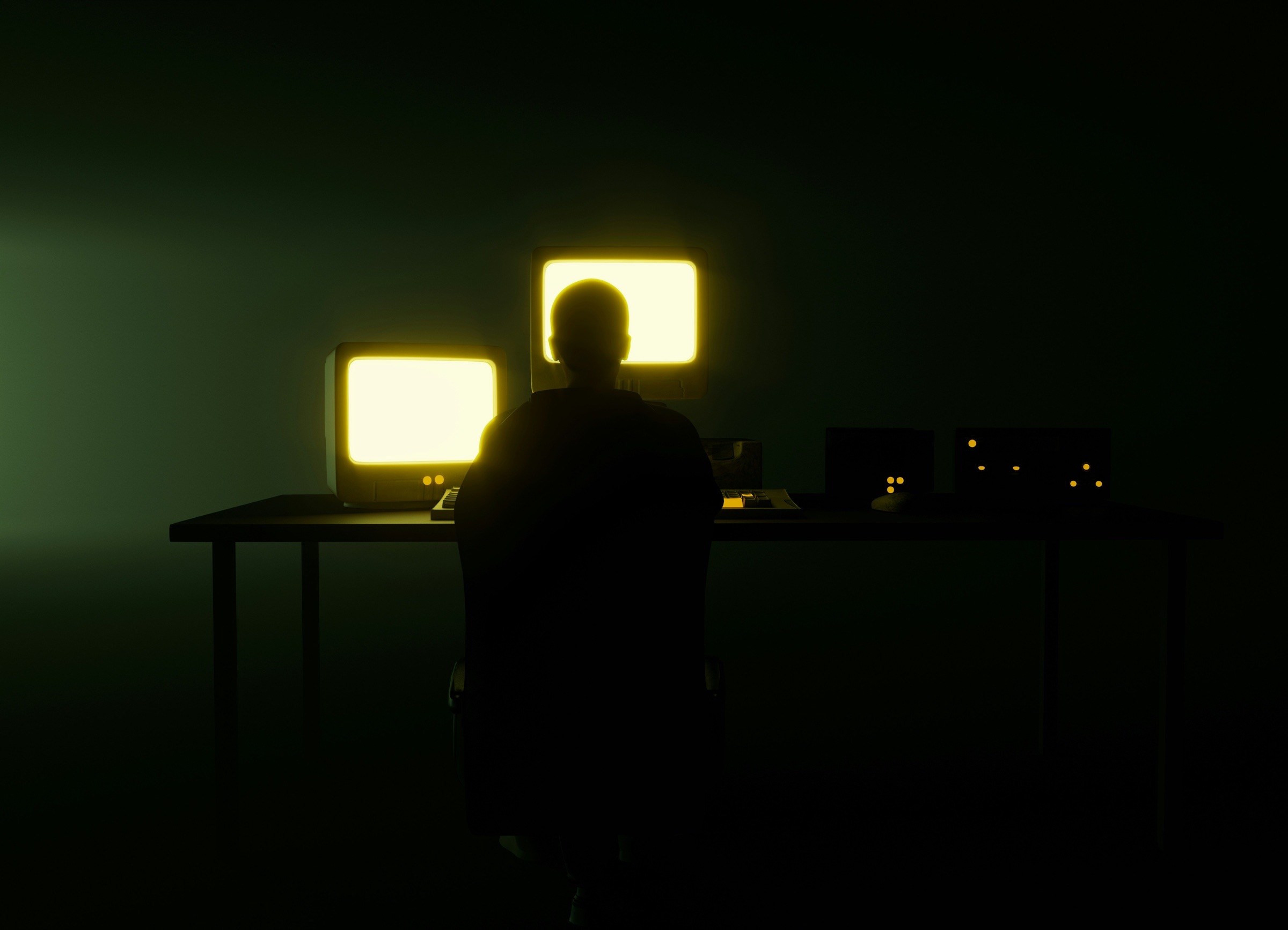
The Recession Led Nirav Patel to Find Peace and a New Career – Now He Portrays That Serenity in Photos
When portrait photographer Nirav Patel lost his engineering job in 2009, he found himself with more free time on his hands than he was used to.
Originally published April 3, 2019, by Jessi Gowan. Updated October 16, 2026, by PHLEARN Staff: gear now in kit cards with a summary at the top, plus a numbers strip and photo pairs; Nirav’s words unchanged. The gear is what he carried in 2019.
In this 2019 feature, portrait photographer Nirav Patel tells how a layoff led him from engineering to photography, and walks through the cameras, lenses, lights and bag he used at the time.
Born in Ahmedabad, India, Nirav moved to the United States when he was just two years old. He landed a position designing wineries as soon as he graduated from a civil engineering program, but when the recession hit, Nirav was laid off. That’s when he discovered his parents’ wedding album and stumbled upon his true passion.
His interest in photography and documentation was piqued immediately – and even though he found himself another engineering position by the following year, he’d already fallen in love with photography and soon left engineering to pursue his photography full-time.
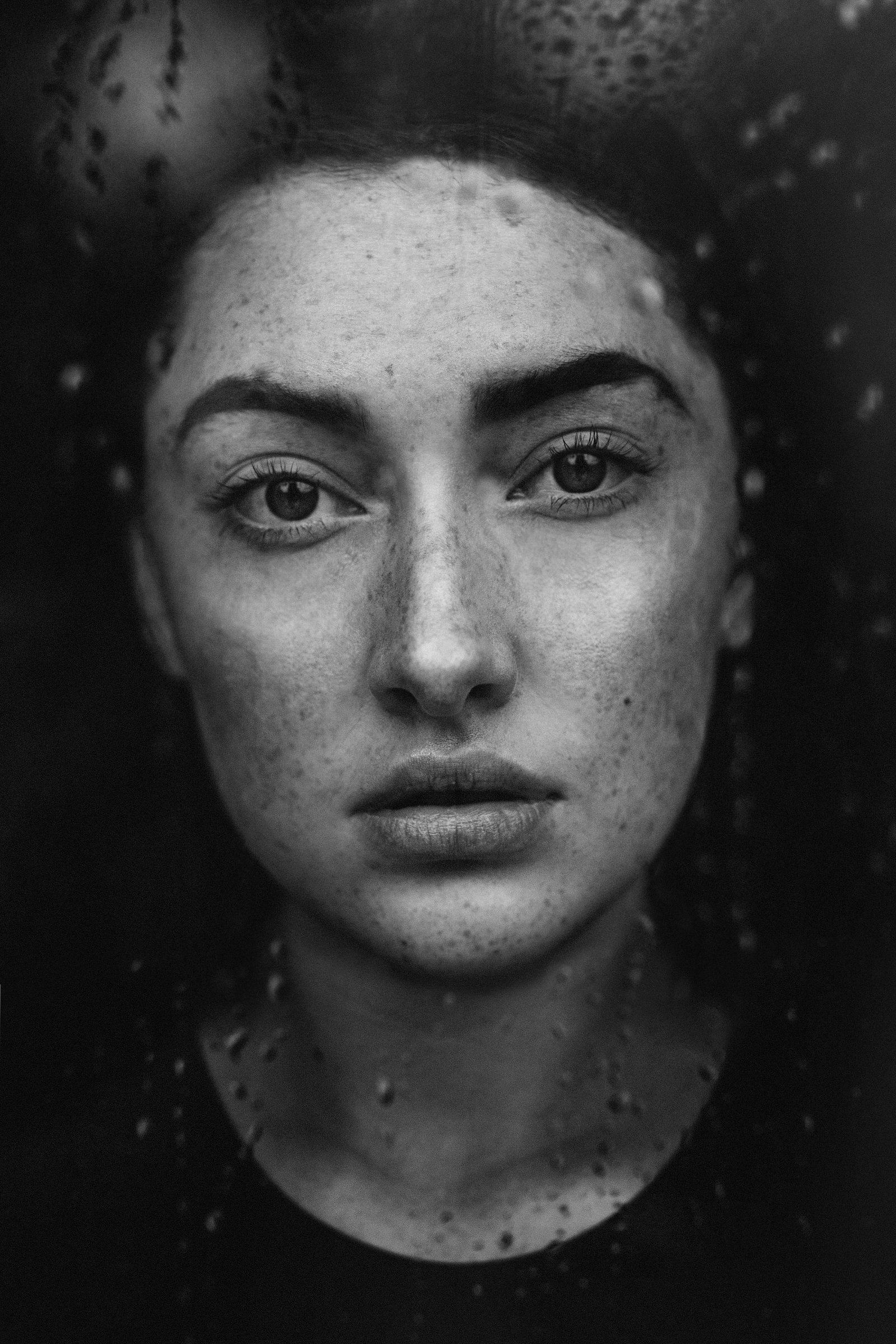
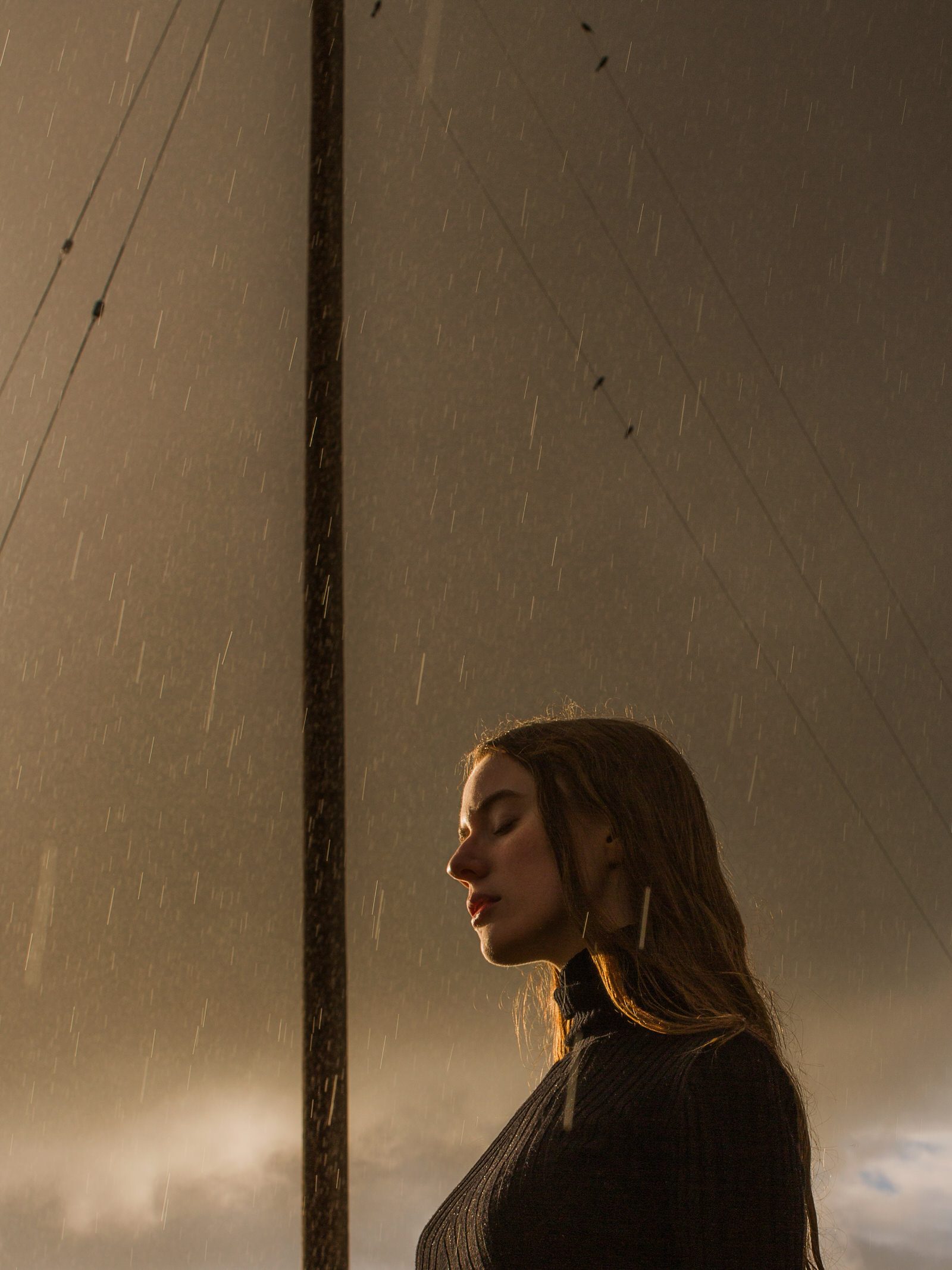
As a mainly self-taught photographer, Nirav specializes in quiet, emotive portraiture, with light used to dramatic, atmospheric effect.

Many of my images are inspired by a certain time in my life when I found solitude to provide me with comfort while living in a turbulent environment. I take these images so I can remember and share the feelings that brought me peace in some of the more difficult moments of my life.
Nirav Patel
2009
the year he lost his engineering job
2
his age when he moved to the US
85%
his work shot in natural light
| What’s in the bag (2019) | |
|---|---|
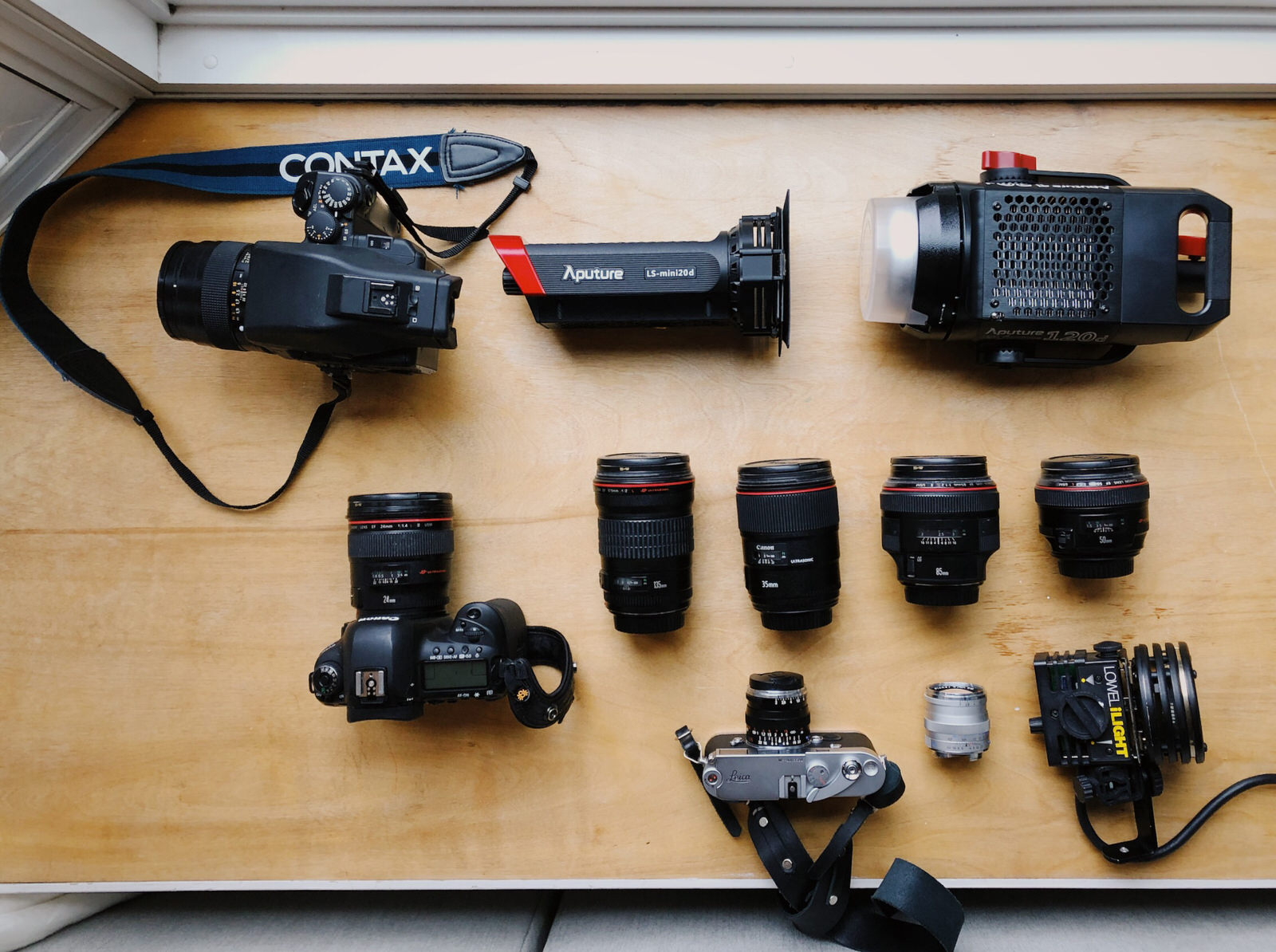
| Cameras | Canon 5D Mark IV, Contax 645, Leica MP |
| Lenses | 24, 35, 50, 85 and 135mm (Canon and Zeiss) |
| Light | Lowel ID-Light, Aputure LS-mini20 and Light Storm C120d |
| Bag | ONA Big Sur |
How Nirav Patel Chooses His Gear
How do you go about deciding which gear is essential to your work?
I feel that the most important decisions related to gear have to do with the lenses and focal lengths I choose to use for certain images. I like to use wider lenses when the environment is a character in the story I’m trying to tell. However, sometimes the environment works against what you want to portray and you’ll need to remove this distraction and focus more on the person.
I like to use wider lenses when the environment is a character in the story I’m trying to tell.
Nirav Patel
In terms of camera body, it’s always based on preference. I do, however, like to use a full-frame camera system because it can be useful in situations of low light, which I shoot in quite a bit. I don’t like to use tripods very much, so I tend to boost my ISO when needed. For this reason, any pro full-frame camera body is great.
Cameras
Store links in this article are affiliate links, so PHLEARN may earn a commission. As an Amazon Associate, PHLEARN earns from qualifying purchases.
Cameras
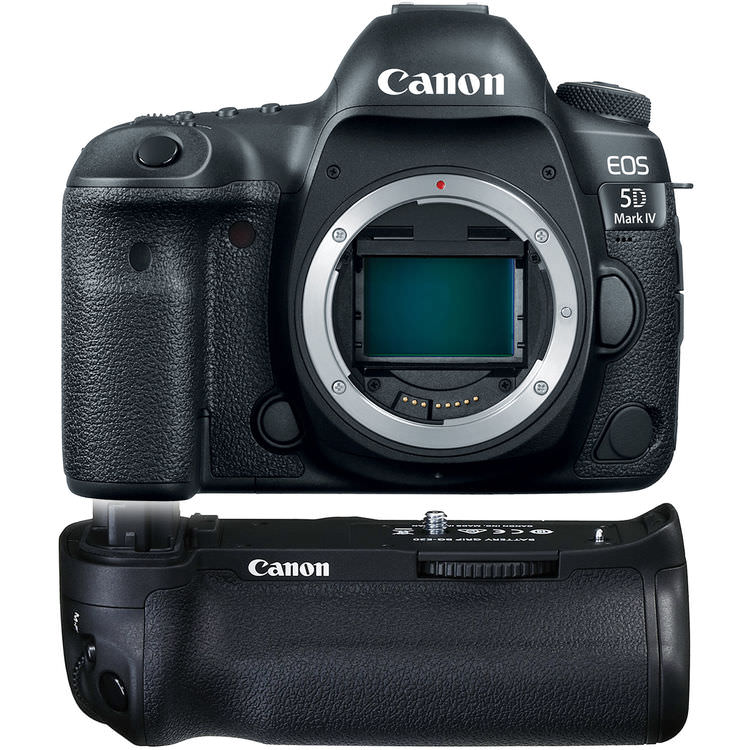
30.4 MP full-frame CMOS sensor, Up to 7.0 frames per second continuous shooting speed, 4K video recording
Canon 5D Mark IV (Full-Frame Digital): I enjoy this camera for its color, dynamic range, and low light performance. I’ve owned Canon systems from the very beginning and have always enjoyed my experience with them. It’s really the color that sets this system apart, in my opinion.
Contax 645 (Medium Format Film): This camera has been discontinued, but you can still find it on shops like eBay. Shooting medium format film results in beautiful images with incredible dynamic range. This camera also forces me to slow down and shoot more intentionally.
This camera also forces me to slow down and shoot more intentionally.
Nirav Patel
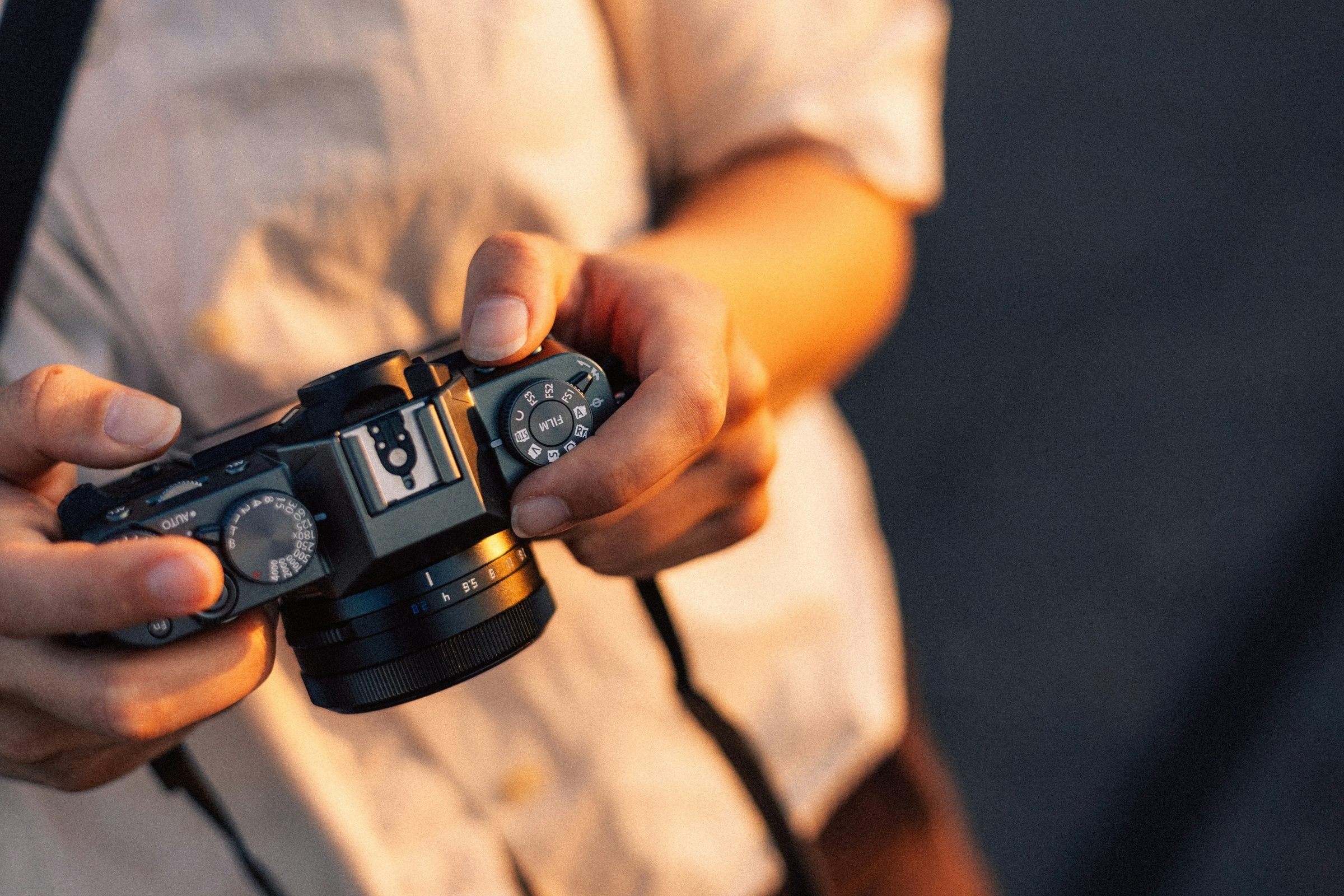
Leica MP (35mm Film): Just holding this camera feels amazing. Leica systems are built like tanks – they’re workhorse cameras and also very beautifully designed. It makes me enjoy the process of making imagery much more than any other camera I own. The compact size makes it amazing for street documentary work and also great for travel.

Lenses
Lenses
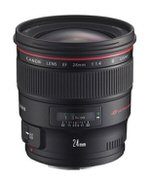
Aperture Range: f/1.4 to f/22, Ring-Type Ultrasonic Motor AF System, Weather-Sealed Construction
Canon 24mm f/1.4L II: Gives you a beautiful wide perspective when you are trying to bring the landscape into a photograph. There’s an exaggeration to this lens that gives images (especially close-up portraits) a sense of drama. It’s also a great lens to have when you don’t have much space to work in and you can’t get a lot of separation from your subject.
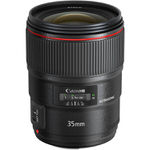
Aperture Range: f/1.4 to f/22, Blue Spectrum Refractive Optics Element
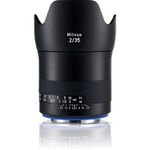
Aperture Range: f/2 to f/22, ZEISS T* Anti-Reflective Coating, Weather-Sealed Construction
Canon 35mm f/1.4L II, Carl Zeiss 35mm 2.0: Similar to the 24mm but less exaggerated. These are my go-to lenses because of their versatility.
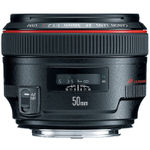
Aperture Range: f/1.2 to f/16, Ring-Type Ultrasonic Motor AF System, Weather-Sealed Construction
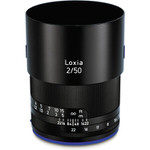
Aperture Range: f/2 to f/22, ZEISS T* Anti-Reflective Coating, Weather-Sealed Construction
Canon 50mm f/1.2L, Carl Zeiss 50mm 2.0: These lenses give a perspective that is closest to the way the human eye perceives the world, making them wonderful for portraits. I don’t use them much for landscapes.
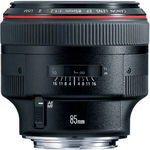
Aperture Range: f/1.2 to f/16, Ring-Type Ultrasonic Motor AF System, Weather-Sealed Construction
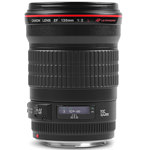
Micro UltraSonic Motor (USM), Ultra-low Dispersion glass with Fluorite elements, inner focusing ring, telephoto lens
Canon 85mm f/1.2L II, Canon 135mm f/2.0L, Carl Zeiss 80mm 2.0: These lenses are my go-tos when I want to remove distracting elements in the environment. I also use these lenses because they produce a beautiful blur and separation of the subject from the background. Again, this can be used to hide distracting elements or put more emphasis on the subject.

Lighting
Lighting
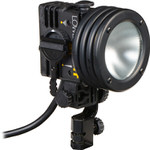
2x Lamps (55W and 100W), 4 Pin XLR Connector
Nirav: This little light is great. It has a small portable battery and outputs a decent amount of light. I like to use it to accent portraits from time to time.
I don’t use much lighting at this point as 85 percent of my work is natural light, but I’m currently testing two lights from Aputure Lighting:
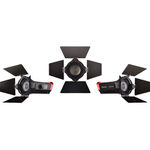
LS-mini20d LED Heads, LS-mini20c Bi-Color LED Head, 4-Way Barndoors, NP-F970 Batteries and Chargers
Nirav: Small and portable. Easy to transport from location to location. Uses LED technology and does not require huge batteries to run.
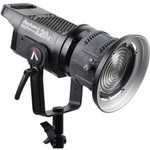
5500K Daylight Color Temperature, Wireless Remote with 328′ Range, V-Mount Battery Plate
Nirav: A bit larger, but still easy to take with you on location and much more powerful than the mini. There are several modifiers you can buy for this light, including a light dome. I don’t have a lot to say about these yet as I’m still testing them out and have not received my modifiers yet.


The Bag
I use a Big Sur bag made by ONA Bags. It’s incredible because it will fit everything I need for almost all of my shoots. I use it often when I travel to destinations to work. It’s built very tough and can be used as my personal item when I board planes, so I never have to check it and don’t have to worry about overhead space. In all, it holds two cameras, five lenses, all my memory cards and batteries, two flashes and a laptop.
Common Questions About Nirav Patel
Who is Nirav Patel? A portrait photographer, mainly self-taught, who specializes in quiet, emotive portraits with light used to dramatic, atmospheric effect. His photography has been featured in Cosmopolitan, Huffington Post, Refinery 29, Kinfolk Magazine and NPR.
Where was Nirav Patel born? In Ahmedabad, India. He moved to the United States when he was two years old.
Why did Nirav Patel leave engineering for photography? After a civil engineering program, he designed wineries until the recession cost him his job in 2009. With more free time than he was used to, he found his parents’ wedding album and his interest in photography took off. He had another engineering job by the following year, but he had already fallen in love with photography and soon left engineering to do it full-time.
What gear does Nirav Patel use? When this article was written in 2019, he shot a Canon 5D Mark IV for its color, dynamic range and low light performance, plus a Contax 645 for medium format film and a Leica MP for 35mm film. His lenses ran from 24mm to 135mm. He picks wider lenses when the environment is a character in the story, and the 85mm and 135mm when he wants to remove distracting elements. About 85 percent of his work was natural light.
Nirav’s photography has been featured in publications from around the world, including Cosmopolitan, Huffington Post, Refinery 29, Kinfolk Magazine, and NPR. His breathtaking portraits document the soft, intimate moments that make up everyday life and can be seen on Instagram or on his website.
In this article
Free with PHLEARN
Follow along, freeNatural Light Portrait Editing in Photoshop