
Download Assets
This tutorial includes 1 sample image, 1 sample PSD and 1 PDF guide. Downloads are free with a PHLEARN account.
- Download the sample images and PSDs from every free tutorial on PHLEARN
- New free tutorials published every week
- One free account — sign up once, then download anything
Free PDF Guide · 3 Pages
This Tutorial as a Step-by-Step PDF
The 3-page guide walks through the Lasso Tool (L), a selection slightly wider than the ink, Generative Fill with the prompt left empty, picking from three variations, Shift to catch ink on both sides of a bracelet, one tattoo at a time, Ctrl/Command+G to group and compare, and matching the grain. Keep it next to your keyboard.
description
To remove tattoos using AI in Photoshop, the trick is an empty prompt: select slightly wider than the tattoo, run Generative Fill with nothing typed, and let it match the surrounding skin. Tattoos are beautiful expressions of individuality, but brand and campaign work sometimes requires them gone. In this tutorial we’ll show you the easiest way to remove them using Generative Fill in Photoshop.
Enjoying This Free Tutorial?
We publish a new free tutorial every week, each one with sample images and PSDs you can download and follow along with. Sign up and they land straight in your inbox, along with early word on sales, events and subscriber-only offers.
Image Source
Images sourced from Pexels.
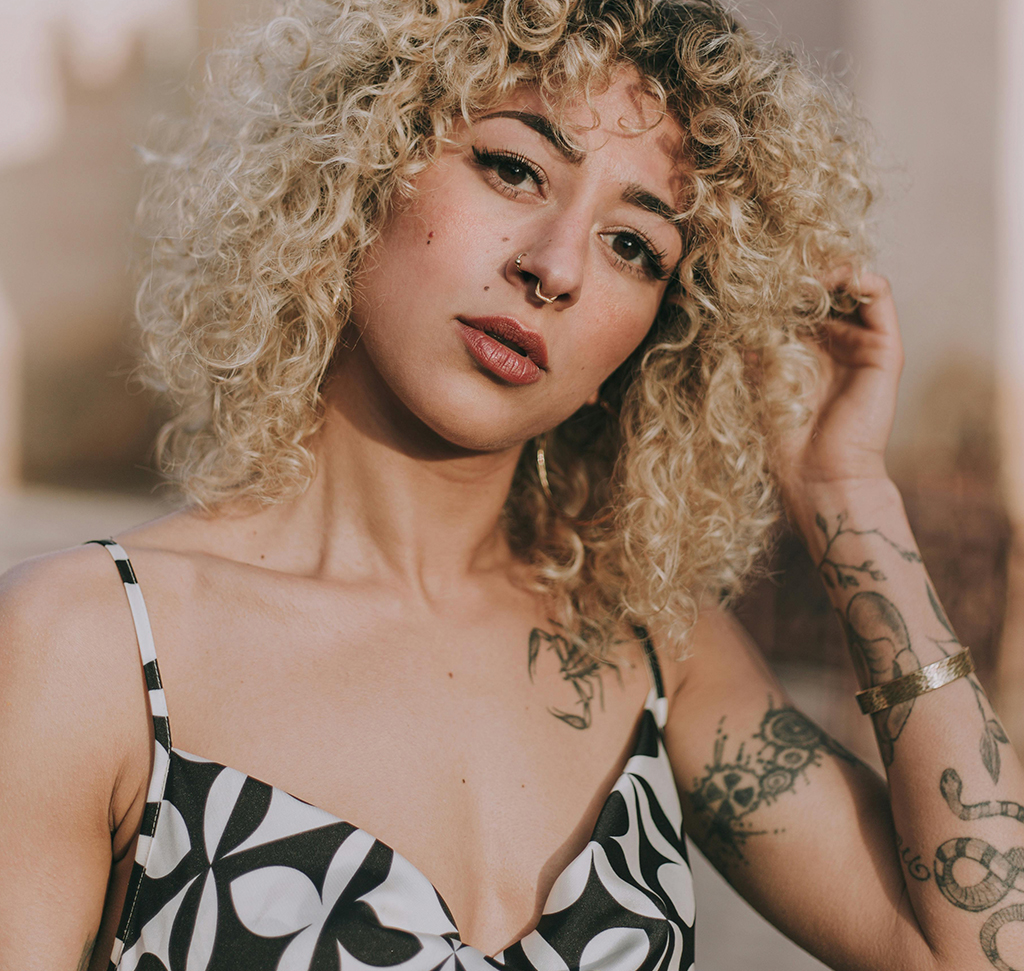
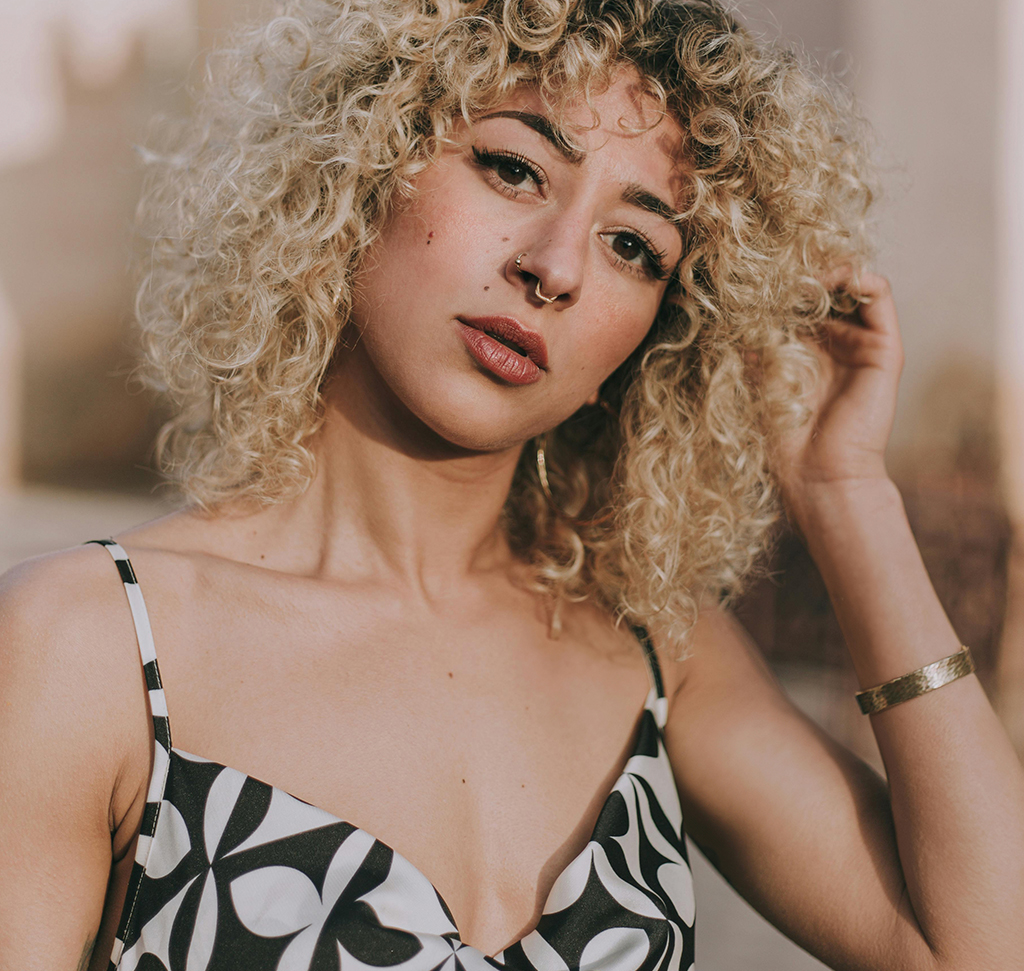
How to Remove Tattoos Using AI in Photoshop
Tattoo removal used to be one of the more tedious retouching jobs. Cloning skin over ink means matching tone, texture and lighting across an area that curves with the body, and doing it convincingly took real time.
Generative Fill does it in seconds, and the technique has one counterintuitive detail that makes the difference between a clean result and a mushy one: you type nothing at all.
Why an Empty Prompt Is the Right Prompt
Generative Fill has a text box, so the instinct is to describe what you want — “clean skin”, “bare arm”. That instruction actively works against you. It invites the AI to generate something new, and generated skin is rarely as good as the skin already in your photograph.
Leave the box empty and click Generate, and Photoshop treats it as a removal instruction. It looks at the surrounding area and extends what is genuinely there — the same skin tone, the same texture, the same lighting falloff — across the selection.
This is the single most useful thing to know about Generative Fill: an empty prompt means “remove this and make it look like it was never here”, and for anything you want gone, that is exactly what you want.
The Workflow
-
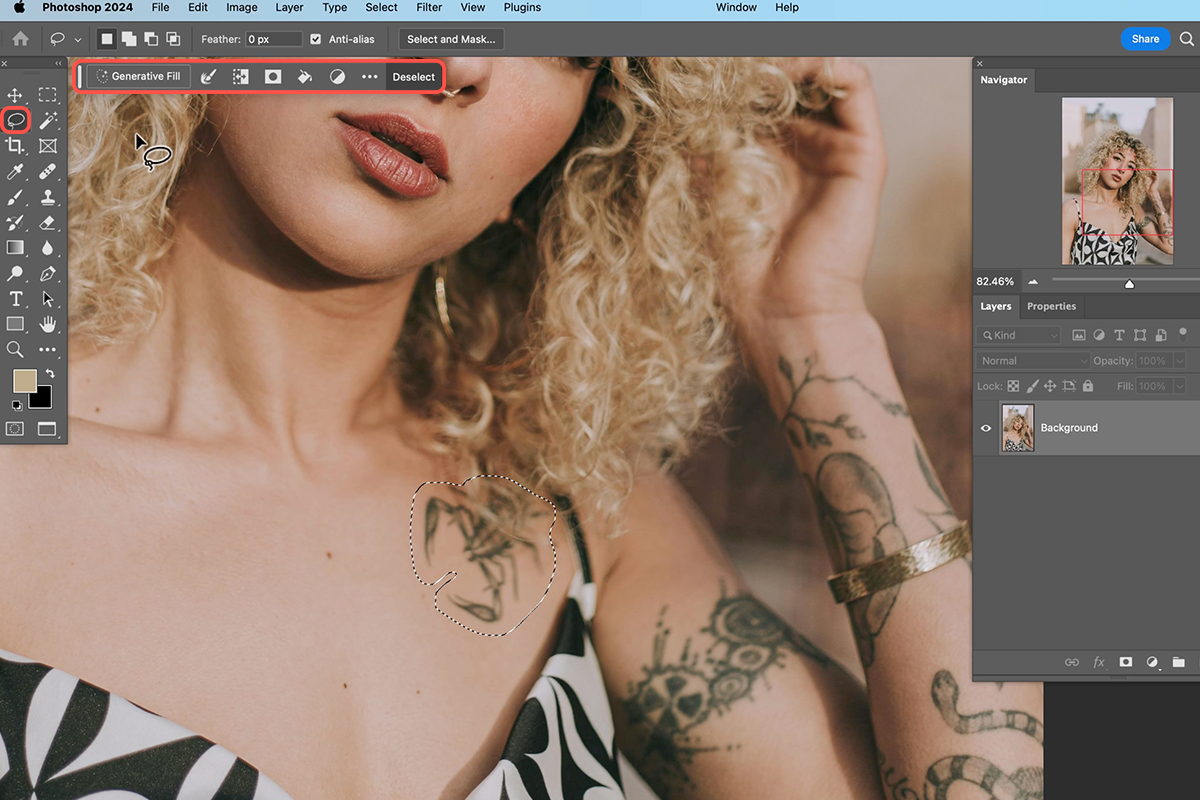
Press L for the Lasso Tool
The standard Lasso is fine. This does not need precision.
-
Draw around a single tattoo
Make the selection slightly larger than the tattoo itself — leave a margin of clean skin around it on all sides.
-
Click Generative Fill in the contextual task bar
Leave the prompt field completely empty.
-
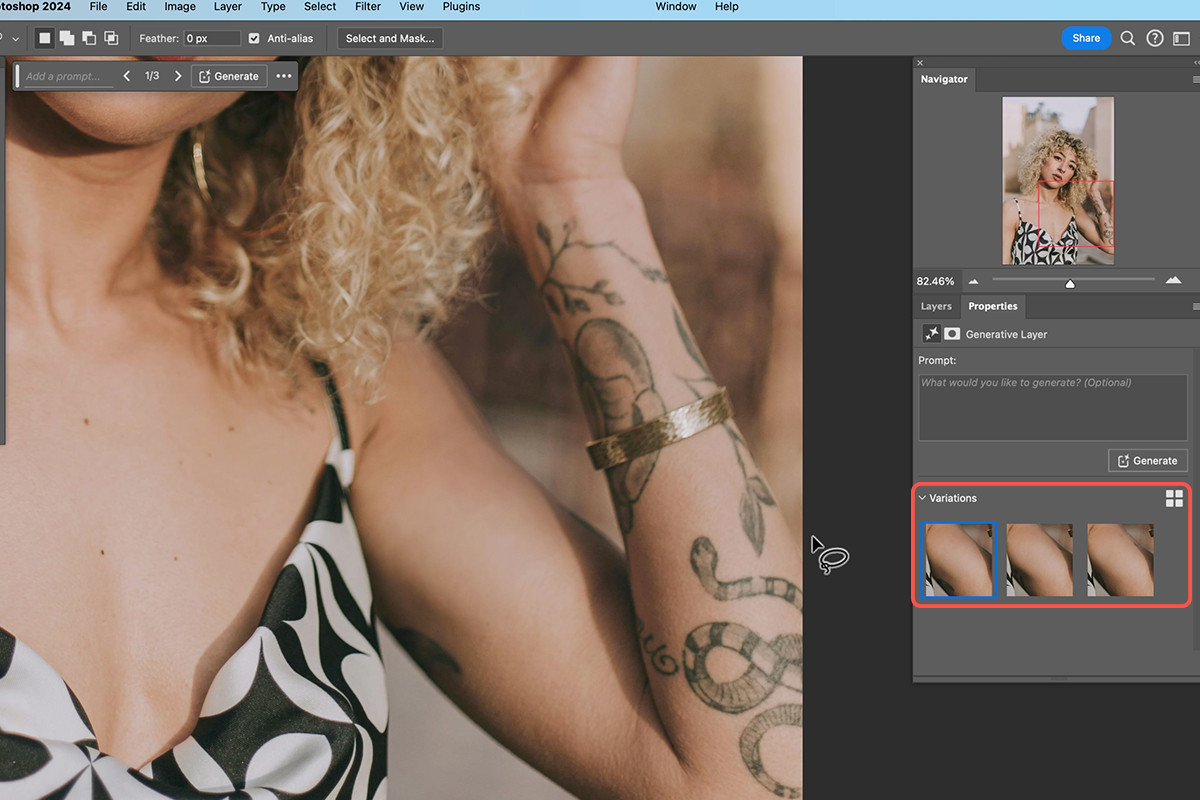
Click Generate
Photoshop returns three variations on a new layer.
-
Pick the best variation
Cycle through them in the Properties panel. If none are clean, click Generate again for three more.
-
Repeat for the next tattoo
One at a time, each on its own layer.
Making Good Selections
Go slightly wider than the ink
Leaving even a thin edge of tattoo outside your selection is the most common failure. The AI sees that fragment as part of the scene it should blend with, and you get a faint ghost of the original design instead of clean skin. A small margin of surrounding skin also gives it more reference to match against.
Use Shift when a tattoo is interrupted
If a tattoo runs underneath a bracelet or a strap, you do not want to remove the jewelry too. Draw around the first exposed section, then hold Shift and draw around the second — both areas become one selection while the object between them stays untouched.
Holding Alt or Option subtracts instead, which is how you carve something back out of a selection that overshot.
One tattoo at a time
This is the tip that most affects quality, and the reason is worth understanding rather than just following.
Generated content comes back at a capped resolution regardless of how large an area you selected. Select one small tattoo and all of that resolution is spent on a small patch of skin, which comes back sharp. Select an entire arm covered in several tattoos and the same amount of detail is stretched across a far bigger region — the result looks soft and slightly plastic next to the real skin around it.
Four separate generations take barely longer than one and look considerably better. On a large file the difference is obvious.
Checking the Result
Each generation is a normal layer, so toggling its visibility gives you an immediate before and after. Do this at 100% rather than fit-to-screen — problems in generated skin show up as texture that is too smooth, a subtle change in tone at the boundary, or a loss of the fine detail that surrounds it.
If a result is close but the edge is visible, add a layer mask and paint black along the boundary at low opacity to let more of the original blend through. You can also lower the layer’s opacity slightly, which sometimes fixes an area that came back a touch too clean.
Where It Struggles
Tattoos crossing complex anatomy. Ink running over a knuckle, an elbow, or the edge of a jawline is harder, because the AI has to reconstruct the shape as well as the surface. Expect to generate several times.
Very large coverage. A full sleeve is a genuinely difficult case. Work it in overlapping sections rather than as one selection, and accept that some manual cleanup will follow.
Areas near the frame edge. With less surrounding context to sample, results are less reliable.
Heavily textured or hairy skin. Generated skin tends toward smooth, so it can read as conspicuously clean against a textured surround. A little noise added afterward usually settles it.
Finishing Properly
For a quick edit, the generation alone is often enough. For professional work, treat it as the base rather than the finish.
Add a small amount of noise or grain to the generated layers so they match the rest of the file — generated content is typically cleaner than the photograph around it, and matching grain is what makes a retouch invisible. Then check the area at a few different zoom levels, since problems that hide at 100% sometimes appear when you zoom out.
One Professional Note
Worth saying plainly: removing someone’s tattoos changes how they look in a way many people feel strongly about. This is a request to fulfill, not an improvement to offer.
If a client or an art director has asked for it, that is a straightforward brief. If nobody has asked, do not assume it would be welcome. It costs nothing to check, and it is the kind of edit people notice being made to them without being consulted.
For object removal and cleanup taught in order, our PRO Object Removal & Cleanup Learning Path is where to go next.
Quick Reference: Keys, Menus and Settings
- Select one tattooL for the Lasso, a little wider than the ink
- Add or subtractShift-drag to add the ink on the other side of the bracelet; Alt/Option-drag subtracts
- Remove itGenerative Fill in the Contextual Task Bar, prompt left empty, Generate
- Pick a variationProperties panel or the task bar arrows; Generate again if none are clean
- Before and afterCmd/Ctrl + G to group the generated layers, then toggle the group’s eye

Free Downloads
Follow Along on the Same Photo
Get the tattooed portrait, the finished PSD with each removal on its own generative layer, and the 3-page PDF guide. Free with a PHLEARN account.
Removing Tattoos With AI: Common Questions
How do I remove a tattoo in Photoshop with AI?
Press L for the Lasso and draw around the tattoo, a little wider than the ink. Click Generative Fill, type nothing and click Generate.
Why leave the Generative Fill prompt empty?
With an empty prompt Photoshop assumes you want to remove what you selected, and extends the skin around it. Typing “clean skin” invites it to make something new instead.
How big should the selection be?
A bit larger than the tattoo, with clean skin on all sides. A thin edge of ink left outside the selection can come back as a faint ghost of the design.
Why remove one tattoo at a time instead of all at once?
Two reasons from the video: each tattoo gets its own variations, so you can make sure it’s really gone, and resolution is better on smaller areas.
How do I remove a tattoo that runs under a bracelet?
Lasso the ink on one side, then hold Shift and lasso the other side. Both areas generate together and the bracelet stays untouched.
Part of the tattoo is still there. What now?
Cycle through the three variations in the Properties panel and keep the cleanest. If none work, click Generate again for three more.
How do I see the before and after?
Select the generated layers and press Cmd/Ctrl + G to group them, then click the group’s eye icon to switch it off and on.
The new skin looks too smooth or the edge shows. How do I fix it?
Add a layer mask and paint black along the edge at low opacity, or lower the layer’s opacity a little. For finished work, add a small amount of noise so it matches the photo’s grain.
Can it remove a full sleeve tattoo?
It’s a hard case. Work it in overlapping sections rather than one selection, and expect some manual cleanup afterward.
Are the sample files free?
Yes, with a free PHLEARN account. You get 1 sample image, 1 sample PSD and 1 PDF guide: the tattooed portrait, the finished file and a 3-page step-by-step guide.
From the Magazine View all
Stories, interviews and guides for photographers, new every week.
 EditingLightCraft vs Lightroom: I Edited the Same RAW Files in BothThe free clone on the same RAW files: what matches, what breaks and who should switch.
 InspirationRare Historical Photos: 13 of the Rarest Pictures Ever TakenFrom the earliest surviving picture of a person to the last passenger pigeon: who took each one and why it survives.
 EditingArtCraft: Photoshop Cloned by AI in Two Weeks. Is It Legal?ArtCraft cloned Photoshop and Lightroom with AI and gave them away. Any good? Legal? Safe?
Master Photoshop, Lightroom and Photography
Join PHLEARN PRO for $12.99 a month, or $99.99 a year (save 36%). Cancel anytime, with a 30-day money-back guarantee.